United Airlines adds European Routes for Experienced Travelers

Airlines make announcements about new routes all the time, and most of them don’t interest me very much, but the latest press release about United expanding its seasonal routes in Europe piqued my interest. These new routes seem to be targeting American tourists who have been to Europe, perhaps multiple times, and are looking for something a little different than the normal European stops like Paris, London, or Rome.

The destinations they have chosen to expand to are places that would be on a bucket list for experienced travelers. They definitely speak to me personally, since each one of these are places where I would like to visit.

Glasgow, Scotland

Starting on May 8th, United will start a daily flight from Newark to Glasgow, Scotland. This is probably the least quirky of the destinations that United picked. Scotland is a destination that I could imagine someone traveling to on their first big international trip. The cultural and language similarities to the United States make it an easier trip. It would also appeal to people who didn’t want to visit a huge European city like London or Paris.

Glasgow and nearby Edinburgh are Scotland’s population and cultural centers. They are less than an hour’s train ride apart, making it easy to visit both cities on the same trip. Around Glasgow, there are also many castles to visit, such as Stirling Castle, Doune Castle, and Bothwell Castle.

You can also take the train from Edinburgh or Glasgow through the Scottish highlands. I once asked a Scotsman where he would recommend going if I were to visit Scotland and he was practically gushing about how beautiful train trips through the highlands are. I will definitely be taking his advise on that someday.

Glasgow, I believe, will appeal to more Americans as a destination than the other new destinations that were unveiled by United. The others may be a little more obscure, but they are fantastic destinations.

Bari, Italy

Have you ever found yourself dining outdoors at a restaurant in Florence or Rome and thought “I wish the food was better in Italy?” Probably not, but apparently the region of Puglia in Italy has food that puts other Italian food to shame. I’m not sure how this is possible, but I’m willing to give it a try.

Bari is located on the heel of the boot of Italy, along the Adriatic Sea. It is famous for its beaches, focaccia, pasta, and polenta.

From Bari, it’s about an hour by car to Alberobello, a UNESCO world heritage site known for its Trulli houses. These are unique structures made of limestone with conical roofs.

Bari is less of a tourist trap than other parts of Italy, such as Rome, Florence or Venice. This might make things a little more complicated for people who don’t speak Italian, but it is a great way to experience more authentic Italy than those major tourist destinations.

United will begin flying to Bari four times a week beginning May 1st, 2026.

Split, Croatia
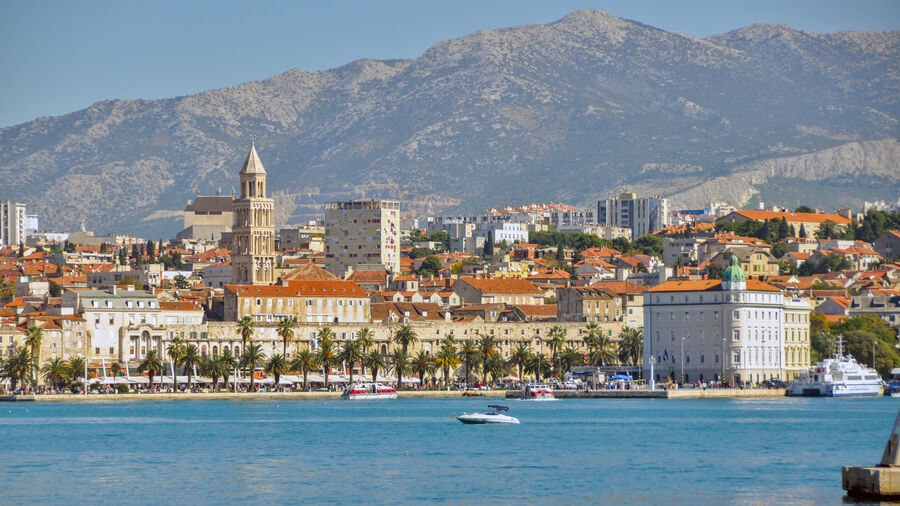
https://www.ricksteves.com/europe/croatia/split has some fantastic information about Split

As the memory of the Yugoslav Wars that took place from 1991 to 2001 fade from memory, the Balkan countries have received more and more attention for being great tourist destinations. Split, Croatia has become a popular destination for its beautiful city as well as the crystal clear, deep blue waters of the Adriatic.

From Split, you can use ferries to go to some of the amazing islands in the Adriatic, such as Brac, Vis, Bol, Korcula and Milna. You can also take the opportunity to visit the beautiful walled city of Dubrovnik.

Croatia has been growing in popularity for a while now and its no surprise to me that United Airlines wants to capitalize on the growing popularity. It’s an absolutely beautiful country, and its been on my short list for a while.

Starting April 30th, United begins seasonal direct flights from Newark to Split.

Santiago de Compostela

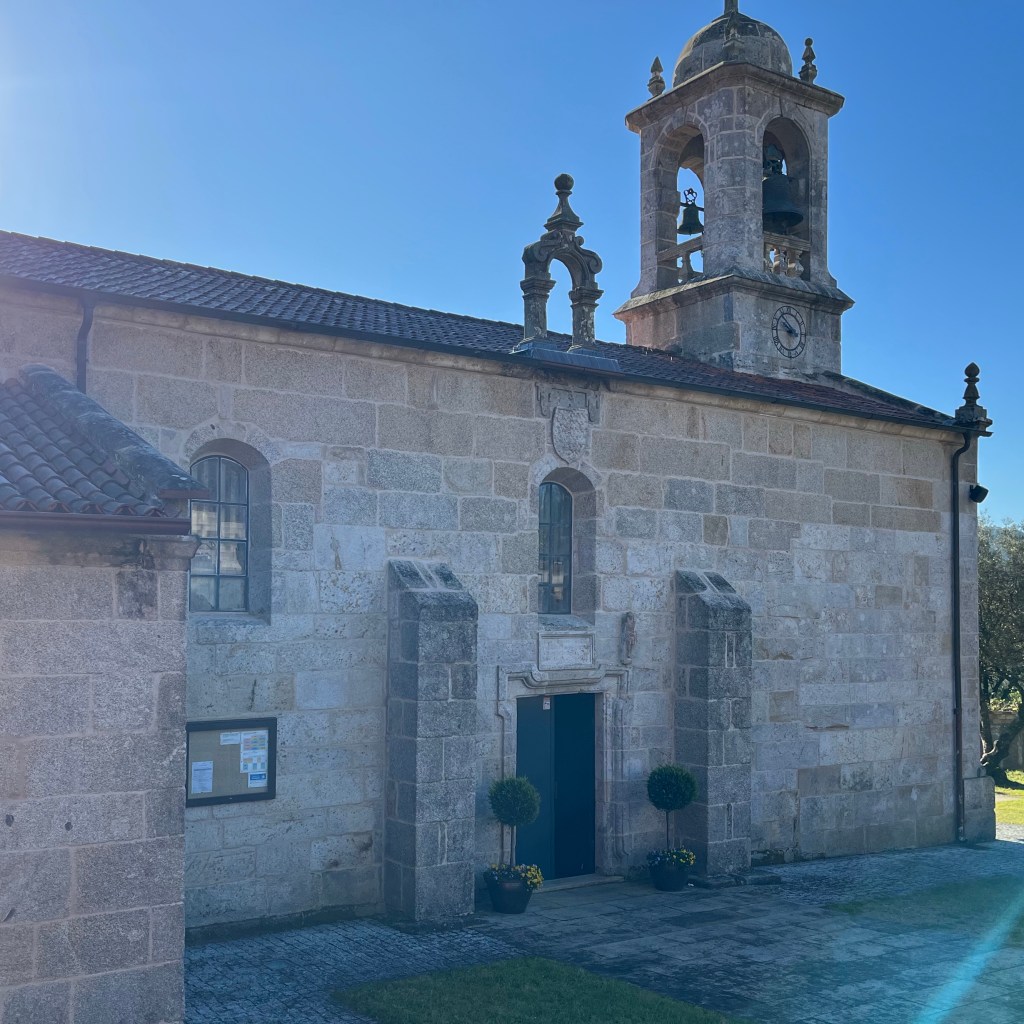
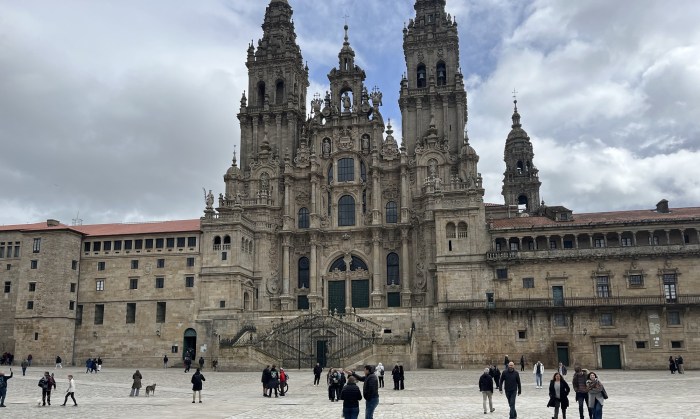
Santiago de Compostela is a fairly small community in the Galicia region of Spain. It has a population of around 100,000, The reason United Airlines would be interested in bringing direct flights there, however, is because it’s where the Camino de Santiago ends.
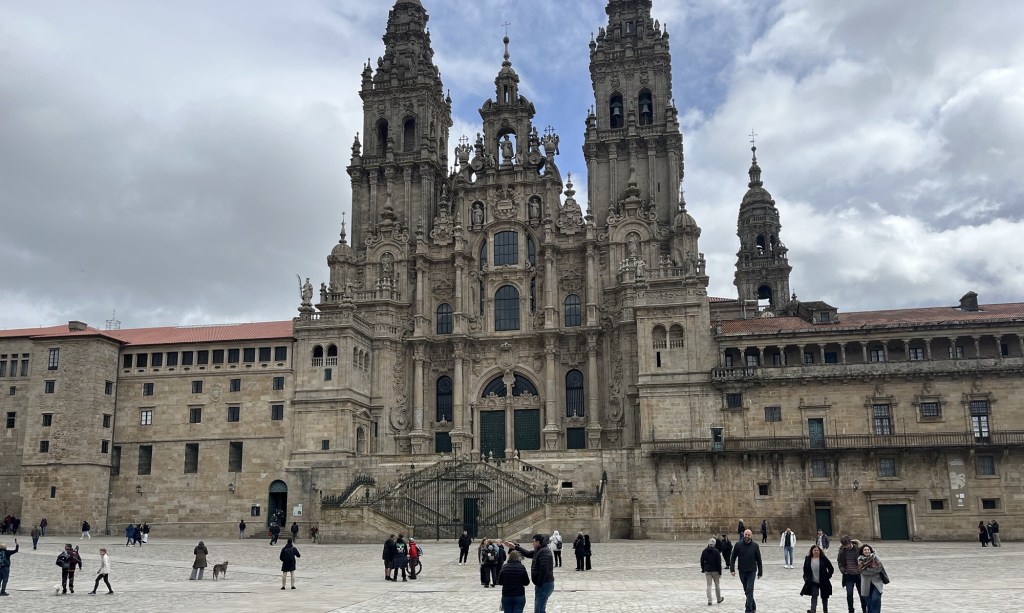
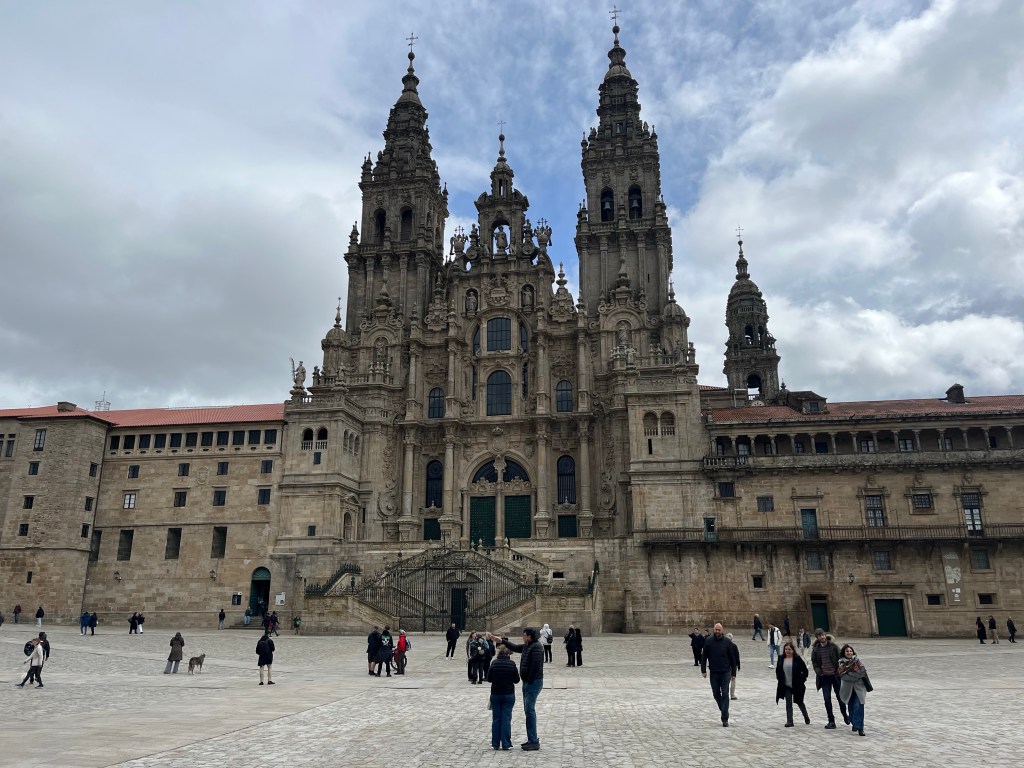
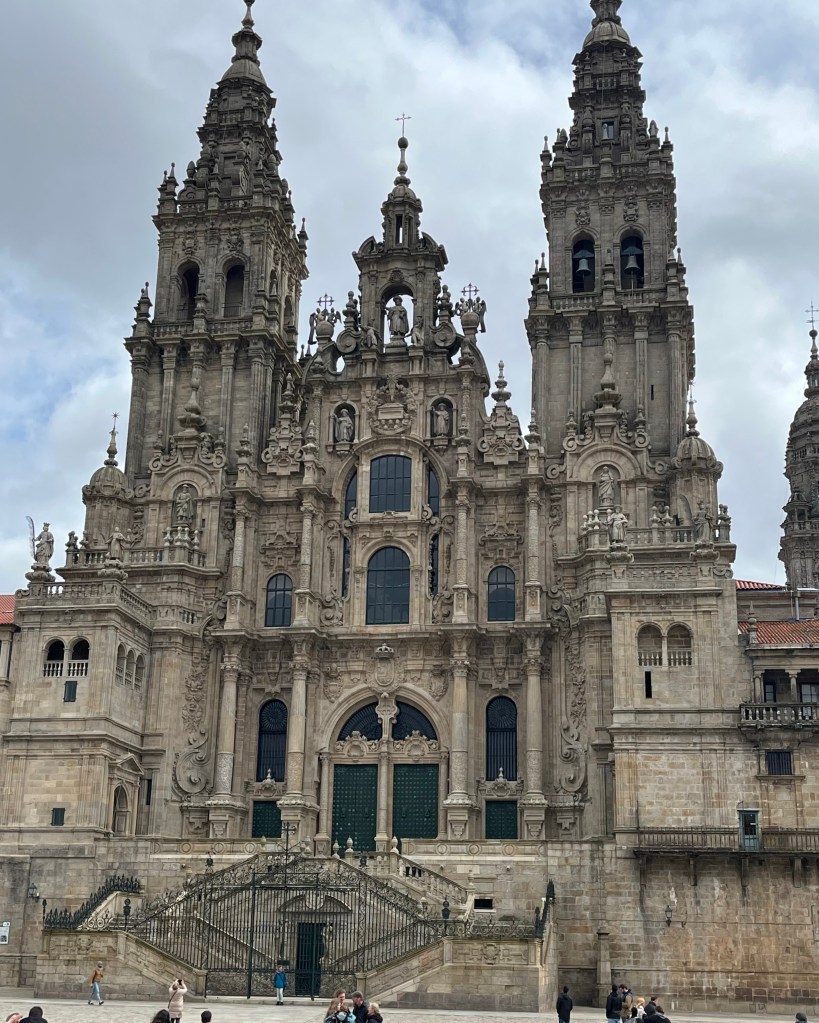
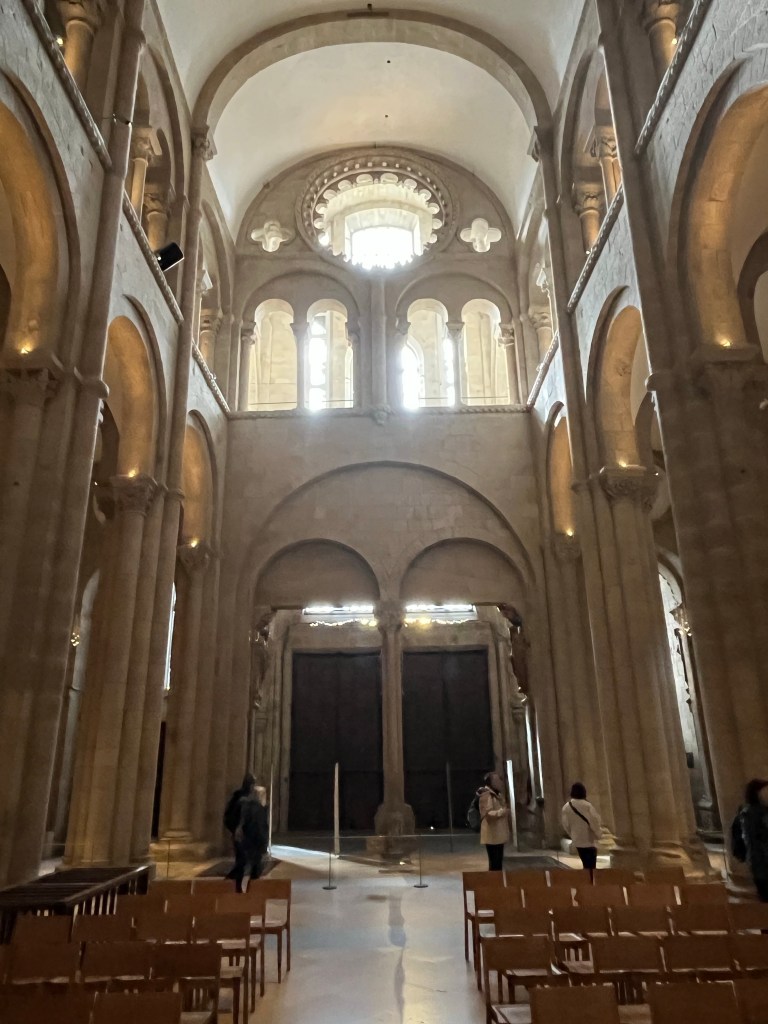
The Santiago de Compostela Archcathedral Basilica is the end point for all of the Camino de Santiago routes.

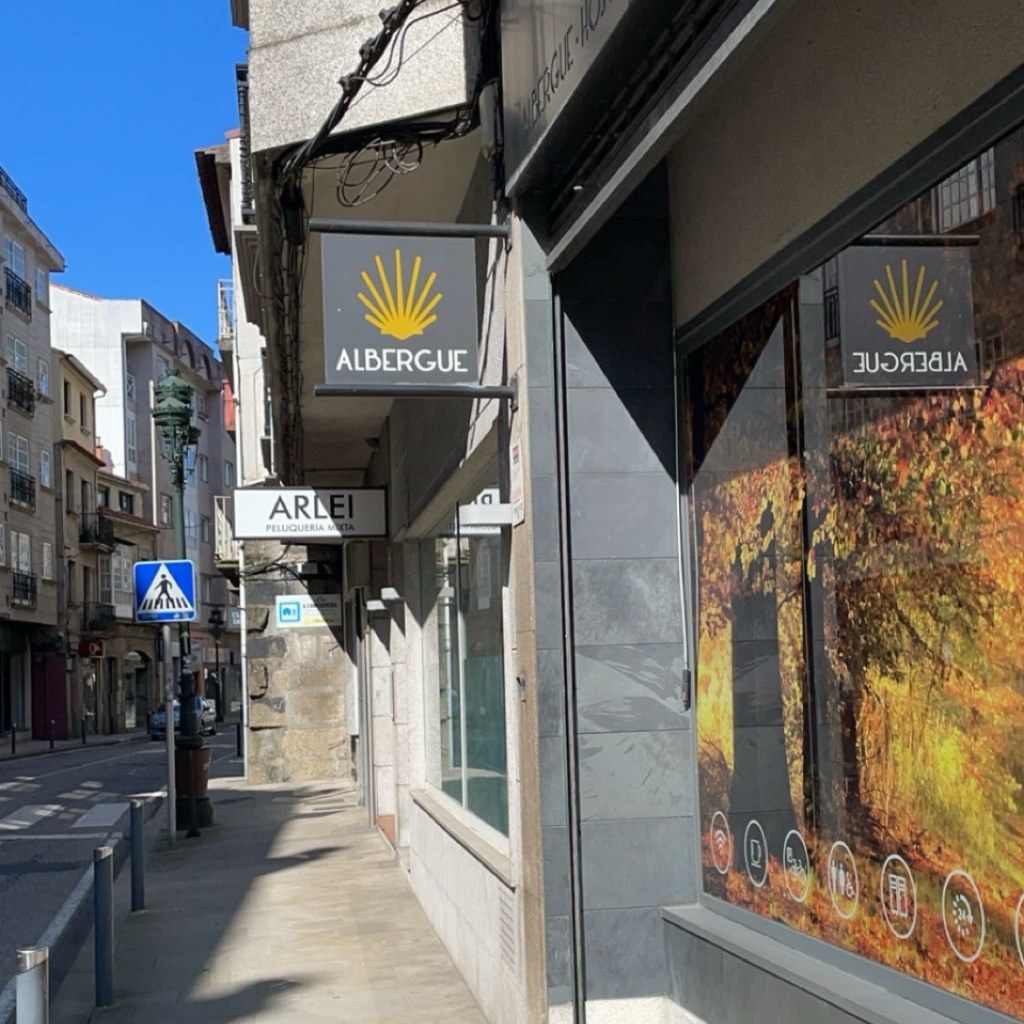
The Camino is a unique cultural experience. It consists of hiking one of multiple routes, the most famous is the French Way which starts in France and continues across Northern Spain to Santiago de Compostela. Some of these routes take over a month to complete and others a couple of weeks. Pilgrims, however, can choose to start their journey from anywhere and an official pilgrimage is anything more than 100 kilometers that ends at the Cathedral in Santiago de Compostela. Along the way there are hotels or hostels to stay at as well as a variety of pilgrim-friendly restaurants.

We had the pleasure of spending 6 days on the Portuguese route this spring and we met so many people who had done multiple Caminos. It’s an amazing way to see the Spanish countryside and really experience Galician hospitality.

For those brave souls who wish to participate in the Camino, United Airlines will start service three times per week from Newark to Santiago de Compostela on May 22nd, 2026 and continues through September 20th.

Flights out of Newark

So the good news is that these are amazing destinations but the bad news is they all originate in Newark. The Newark Airport has had all kinds of problems and I typically try to avoid flying out of there when possible. Since Newark completed reconstruction of a runway in June, I haven’t heard of as many issues in that airport, so hopefully service out of Newark is improving.

Newark has connections to more than 100 US cities on United, so you shouldn’t have too much difficulty finding connecting flights. This should make these flights accessible for much of the United States.

Award Prices

Right now, the award pricing on these flights are fairly elevated. This isn’t a surprise, since these are new routes. In the future, I would expect some award prices of these flights to dip down to United’s saver rates of around 40,000 points one-way for a flight to Europe. If you see those saver rates on one of these flights, I would also check Singapore Airlines. Often, you can book the exact same flight, if it’s a United saver award, for only 30,500 points. For more information, I have a post about how to use the Singapore Airlines partnership.

It’s also easier to get Singapore miles since they transfer from Citi Thank You points, Chase Ultimate Reward points, American Express Membership Reward points, a Capital One Venture miles. United miles can only be transferred from Chase Ultimate Rewards.

Conclusion

These newly added seasonal routes for United add great direct flights from the United States to amazing destinations that are on the radar for people who have a little experience going to Europe and would like to try something a little different. These are all fantastic choices and would make for a great vacation. These destinations certainly have me thinking about future trips.

Day 6 – Quitting the Camino

This is the final post in a six-part series on our experiences doing the Portuguese Central Route of the Camino de Santiago starting in Valenca, Portugal, and ending in Santiago de Compostela.

I didn’t get more than a couple of hours of sleep. The wind slamming the shutters on the windows was a constant reminder of the massive challenge ahead. At this point, we were all struggling with nagging pain. The hike from Padrón to Santiago de Compostela would be our most challenging to date. In addition, the weather looked horrible. The weather app called for sustained winds of 20 miles per hour with gusts up to 40 miles per hour. The forecast also called for rain all day.

All I could think was, do we really want to spend eight or nine hours hiking in the wind and rain, limping in pain? Jenn and I decided to ask the kids what they wanted to do.

We walked into their room, told them about the weather, and asked them what they thought. Emma was conflicted and said she wanted to finish, but that it sounded terrible. She said she’d leave it up to Alex. He took one look at us and said, “I’m done,” and then he rolled over and tried to go back to sleep.

So there it was, after five days hiking the Camino, we were quitting just 17 miles from the end.

I was conflicted about it, because after all, this was supposed to be a vacation, and I felt like I spent the better part of a week torturing my family. On the other hand, there is value to completing something so physically demanding.

The Camino is a hard physical challenge that is achievable by normal people. Jenn and I have both completed these types of challenges before. Jenn has done two RAGBRAIs (a week-long 400-mile bike ride across Iowa) and a couple of half marathons. I’ve done a RAGBRAI, about ten half marathons, and a couple of full marathons.

The kids hadn’t experienced what it’s like to complete a challenge like that, and I was a little sad they wouldn’t finish. For me, those challenges are important because they build confidence and character. I hoped that quitting that close to the end didn’t invalidate any personal growth that resulted from the first five days of the Camino.

We took our time getting ready, then took the walk of shame through the rain and wind down to the train station and bought a ticket to Santiago de Compostela. We shared the complex feelings of regret for not finishing the Camino as well as the relief of not having to hike that day. I was happy, however, to have a little more time to visit with my friend Nate.

While on the train, I texted Nate to tell him we quit and we would be in Santiago de Compostela in a little bit. He said he would meet me at the Pilgrim House, which is the community center where he works.

Building in Santiago de Compostela

When we met, he introduced us to the staff at the Pilgrim House and even pointed out someone from our hometown who volunteers with the organization. She was talking with Jenn and mentioned that she also works with the youth symphony orchestra in our hometown. Alex happens to be a viola player in that orchestra, so she took a picture of her and Alex and texted it to his conductor with a message: “Guess who I ran into in Spain?” It’s a small world.

Santiago de Compostela Archcathedral Basilica

We talked with them about our experiences on the Camino and what we would do differently. They have a different perspective as veterans of the Camino themselves and as people who listen to thousands of Camino stories each year. They chucked a little and said, “You spend your first Camino learning how to do a Camino.”

Nate gave us a tour of Santiago de Compostela, showing us his favorite coffee shop, the Cathedral, and the wonderful architecture of the city. We talked about the old days and what happened to our old friends. He talked about his family and what it was like for them to raise kids in Spain.

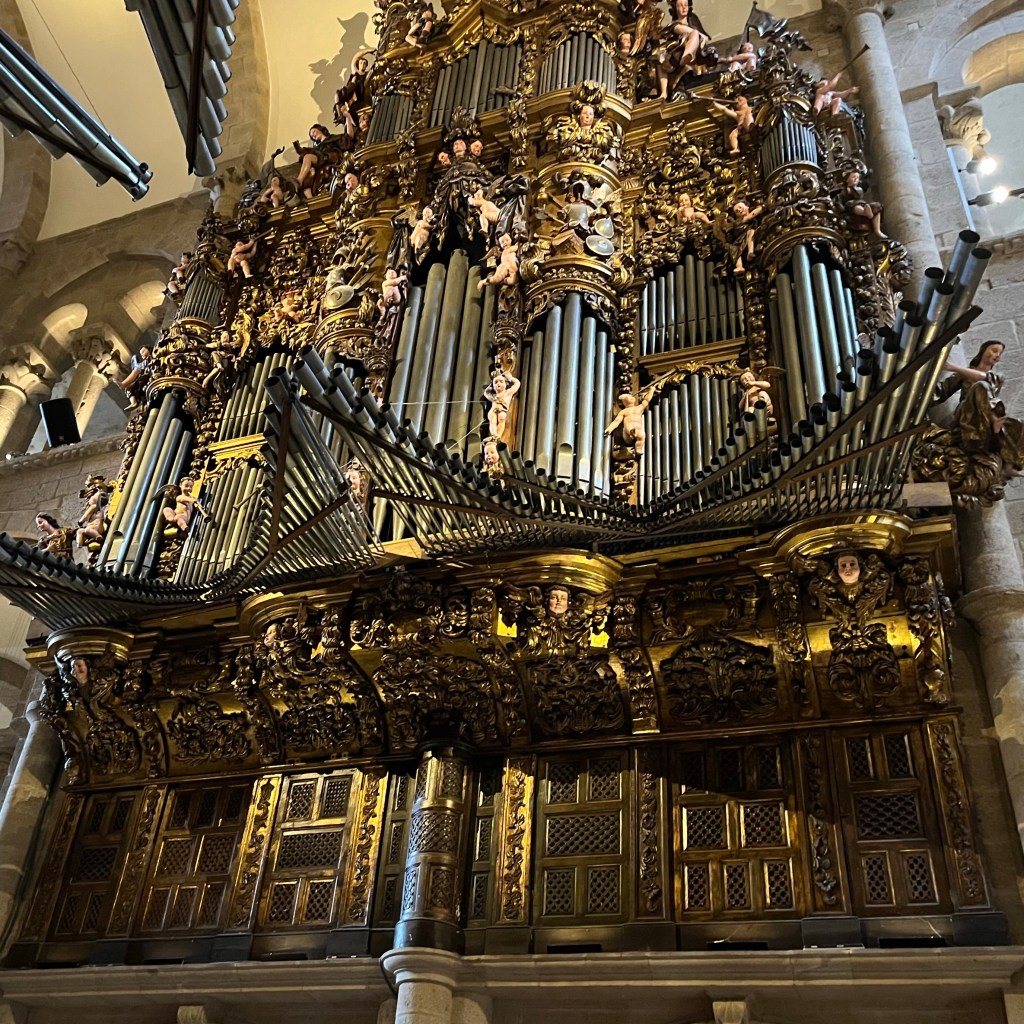
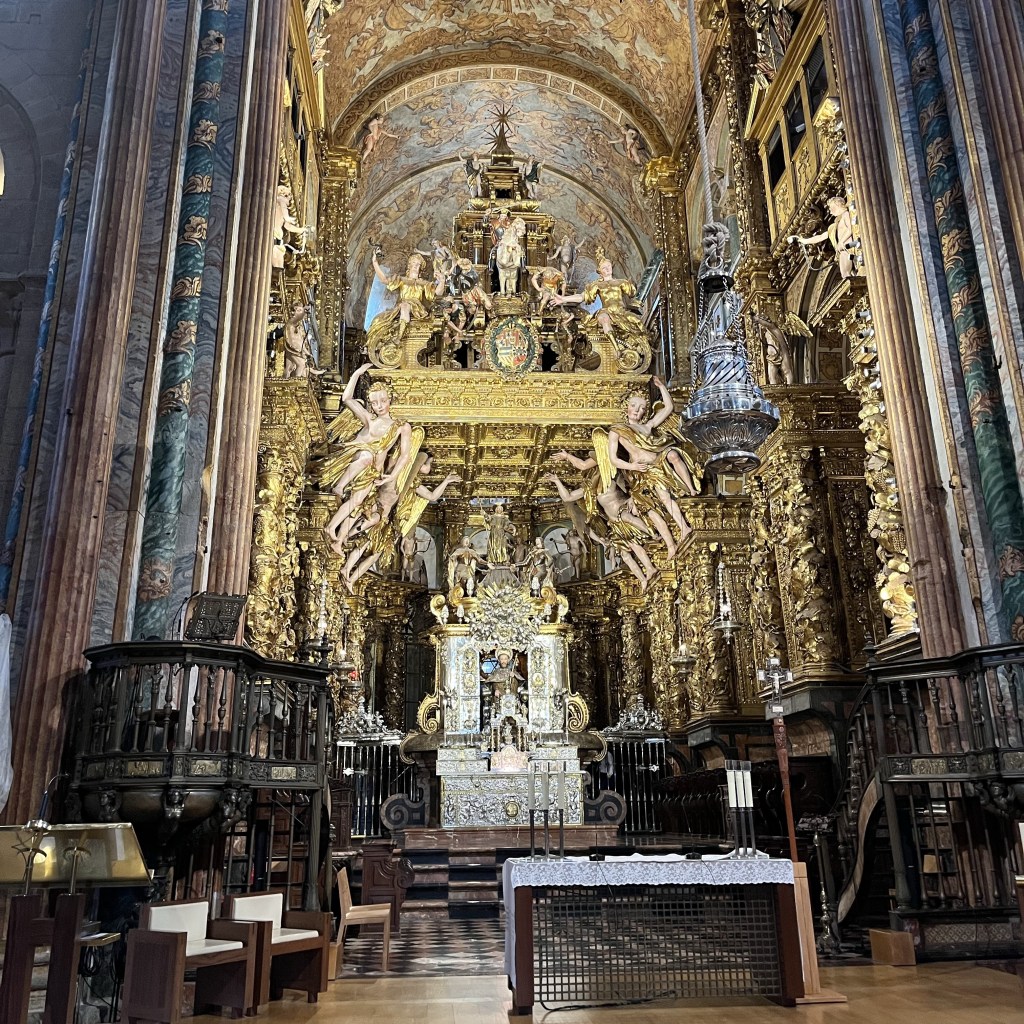
The organ is decorated in a baroque style

It was wonderful catching up with him after all these years, and if there was one blessing from having quit the Camino, it was the ability to spend a couple of hours with an old friend, thousands of miles away from where we grew up.

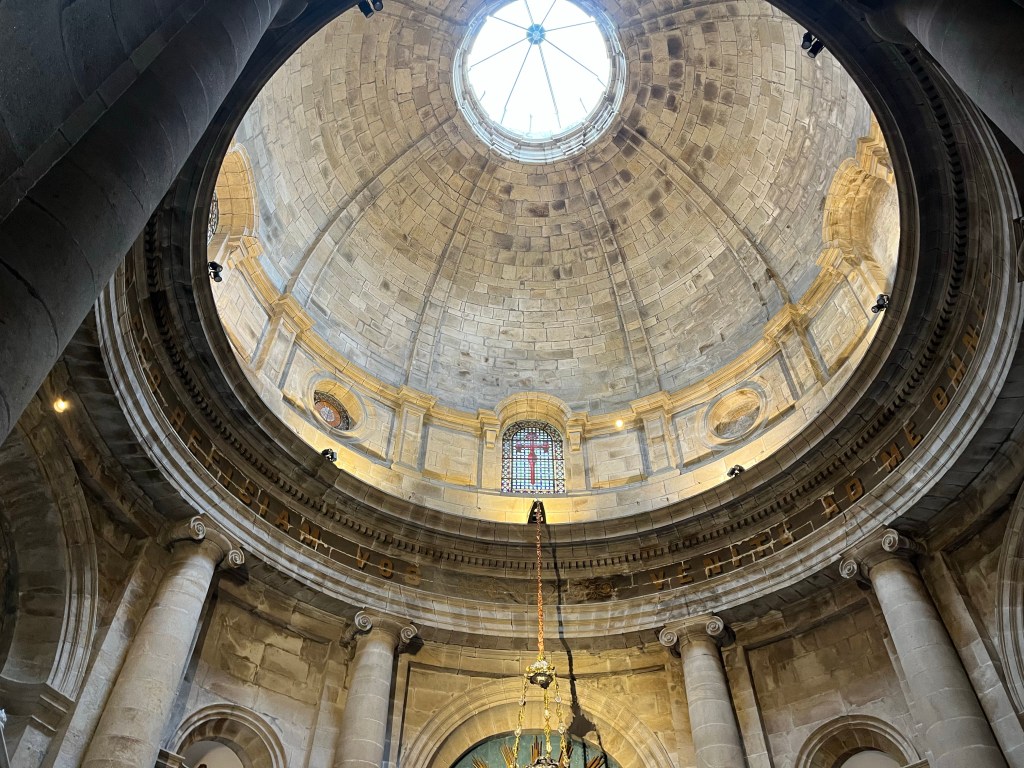
A dome in the Cathedral

We said our goodbyes to Nate and headed to our hostel at Albergue Alda O Fogar de Teodomino. We were able to get a private room with four beds. The hostel was nearly empty. I think most people didn’t hike that day because of the weather. I assume that most people who would have finished in Santiago de Compostela that day were instead taking an off day and would finish the next day.

We checked into the hostel, and I said that I wanted to tour the Cathedral. Emma wanted to join me, while Alex and Jenn stayed back to take a nap.

The full name of the cathedral is the Santiago de Compostela Archcathedral Basilica. Construction began in the late eleventh century, lasted well over a hundred years, and was finally completed in 1211. It was built to house the supposed remains of St James, which were discovered in the 9th Century near modern-day Padrón.

I definitely question the validity of the claims that the body of St James was discovered more than 800 years after his death, thousands of miles away from where he died. However, this discovery led to millions of pilgrims over the centuries walking the Camino to this cathedral in Santiago de Compostela.

Seeing the Cathedral is the goal of every pilgrim who embarks on the Camino. As is the case with so many Cathedrals, it is lavish, with statues and artwork everywhere. The altar of the church is done in a baroque style, with gold and silver elements everywhere. There are countless golden pillars and a group of angels holding up a golden ceiling over the altar. It’s so ornate that I couldn’t really discern what the artwork was supposed to symbolize, but it is beautiful.

Right side of the altar in the Cathedral

My favorite thing in the Cathedral was a giant incense burner called the botafumiero, which is about 5 feet tall and weighs around 180 lbs. Traditionally, it took a team of eight men with ropes to swing the burner over worshipers. The purpose of this was to cover the smell of the pilgrims who had spent the day on a long hike to the Cathedral. They now only do this on special occasions, since it’s so labor-intensive. Presumably, because of modern deodorants, it’s also not as necessary.

Altar with botafumiero hanging in front.

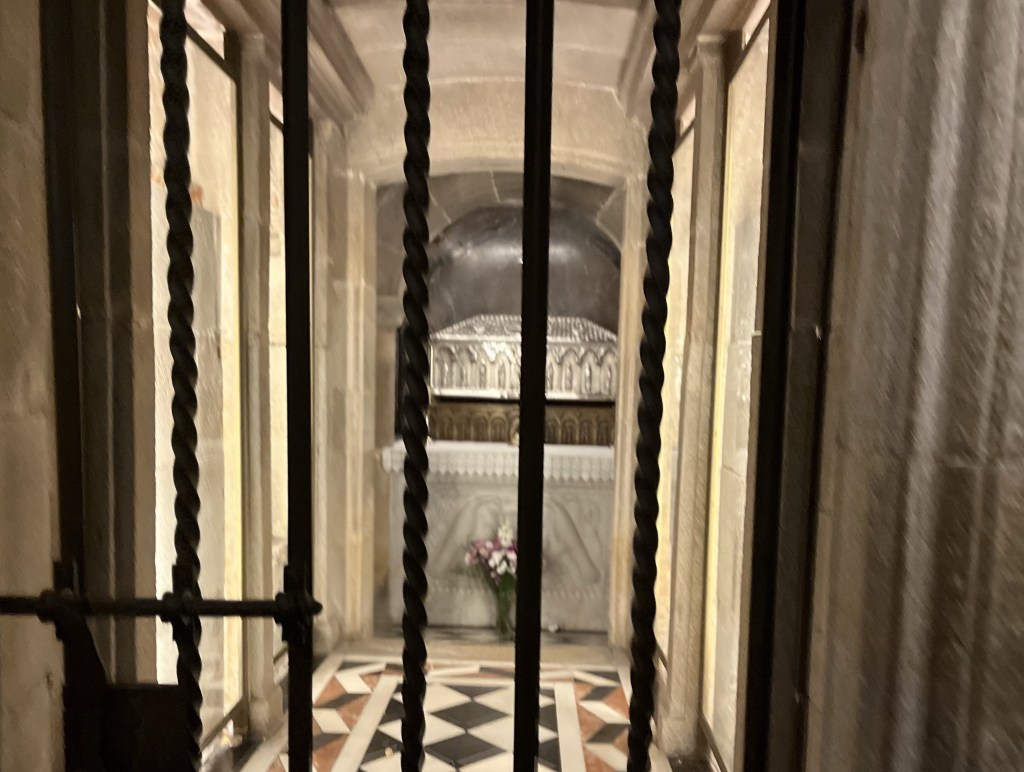
We also walked down to visit the crypt, the supposed final resting place of St James. Behind an iron gate, you can see a silver ossuary. There it is – a beautiful, yet simple box containing the remains of someone, who may or may not be St James. It is the inspiration of millions of pilgrims over centuries to take time out of their busy lives to hike for days or weeks.

Silver Ossuary in the crypt of the Cathedral

I don’t buy it. I think people do it for so many reasons, but seeing a silver box can’t be the motivation for most people. For some, it’s the drive to complete a physical challenge. For others, it’s the opportunity to hike through towns, villages, farms, and forests. Some are taking time for introspection, and others are there for the camaraderie and fellowship with their fellow pilgrims.

I was there for a combination of those things, and I think that’s probably true for most pilgrims. I was also drawn by the opportunity to participate in something that draws people from around the world. According to the official pilgrim website, which keeps statistics on the number of people who complete the Camino, so far in 2025, about 37% of pilgrims were Spanish, 8% American, 7% Portuguese, and 6% were German. The remaining 42% were from various countries around the globe. It’s an amazing opportunity to spend time with a lot of wonderful, diverse people who are all working toward the same difficult goal.

The opportunities to connect with people at cafes, along the Camino, or at an albergue are endless. Those conversations also don’t feel forced. People who come to do the Camino are generally friendly.

Walking around the Cathedral, however, felt a little hollow. We hadn’t finished, and it felt like I didn’t deserve to be there. Visiting the Cathedral is a rite of passage for people who complete the Camino, and we hadn’t. Jenn and Alex didn’t even want to visit the Cathedral.

We finished up our trip to the Cathedral and met up with Jenn and Alex for dinner. At dinner, we discussed the disappointment of not finishing.

With everyone still dealing with being somewhere between sore and injured, I asked if they would like to try this again. Jenn laughed and said that she thinks we owe the kids a beach vacation for the next Spring Break trip. To my surprise, however, everyone said that they would like to do it again, but with some optional off days.

There isn’t an experience like doing a Camino. It’s real. It’s authentic. It’s a tremendous physical challenge. It’s the opportunity to meet people from around the world, as well as the chance to experience Spain in a non-touristy way. I would love to give it another try, but I definitely want to do it when I can hike for at least a couple of weeks. I definitely think it would go better the next time, now that I’ve spent my first Camino learning how to do a Camino.

Day 5 – Caldas de Reis to Padrón

This is part five of a multi-part series on our experiences doing the Portuguese Central Route of the Camino de Santiago starting in Valenca, Portugal, and ending in Santiago de Compostela.

At seven o’clock, we woke up in Caldas de Reis at Hotel O Cruciero. We told the kids to pack up and meet us in the cafe downstairs for coffee. Jenn and I grabbed a table, ordered everyone a café con leche, and questioned whether we were hiking today or if our Camino was finished.

Emma and Alex had their own room, so we hadn’t yet had a chance to talk with Emma about her ankle. She had used some topical cream to ease her pain, but I didn’t know if that would be enough to get her on the trail. Emma complained about pain in her Achilles tendon, which had started early in the week but was worsening daily.

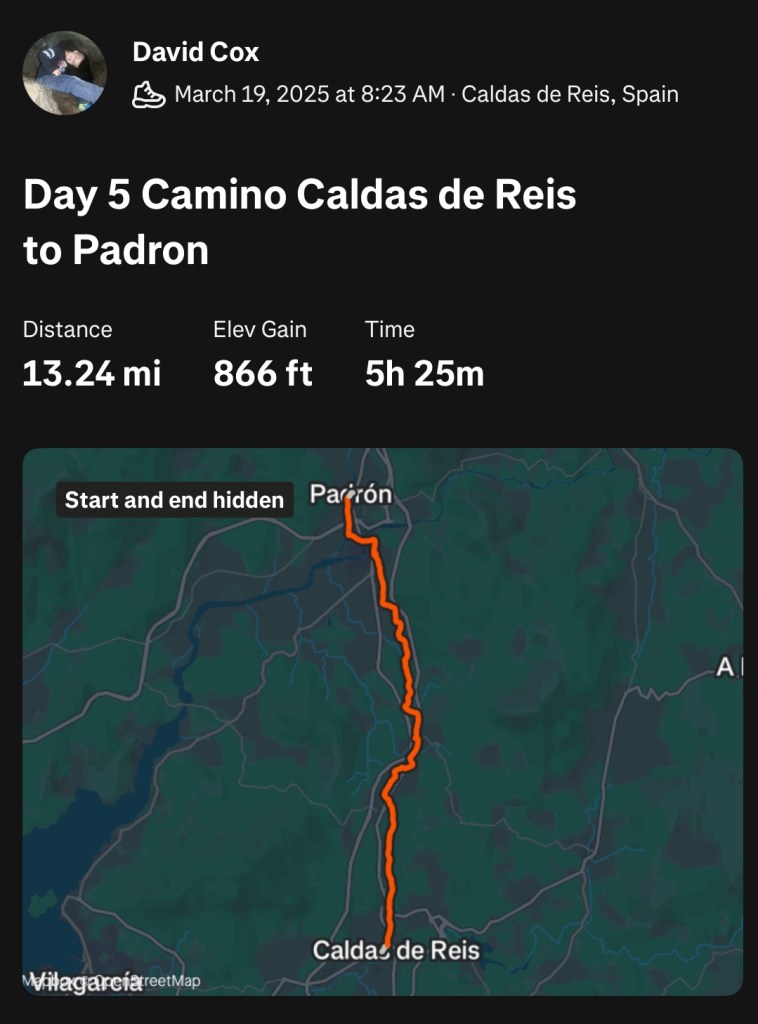
Caldas de Reis to Padron is a fairly flat and rural stage of the Camino de Santiago

Emma played basketball for eight years and learned to play through pain, so when she complains, I know she’s not exaggerating. When we asked how she was feeling, she said she wanted to give it a try. We told her that she needed to rely heavily on her trekking poles to take the pressure off her ankle.

We didn’t hurry out of the cafe. The coffee was great, and they served little pieces of cake with it. We had a couple of rounds of coffee, trying to prepare ourselves for the hike. I was sincerely worried. I saw her play basketball with ankle pain and shin splints in High School, and I was afraid she was legitimately hurt and was just pushing through the pain.

Fountain in Caldas de Reis

I trusted her judgment, though, and once we got started, things were pretty good. The weather was lovely. Emma was leaning on her trekking poles, which kept the pressure away from her ankle and helped with the pain.

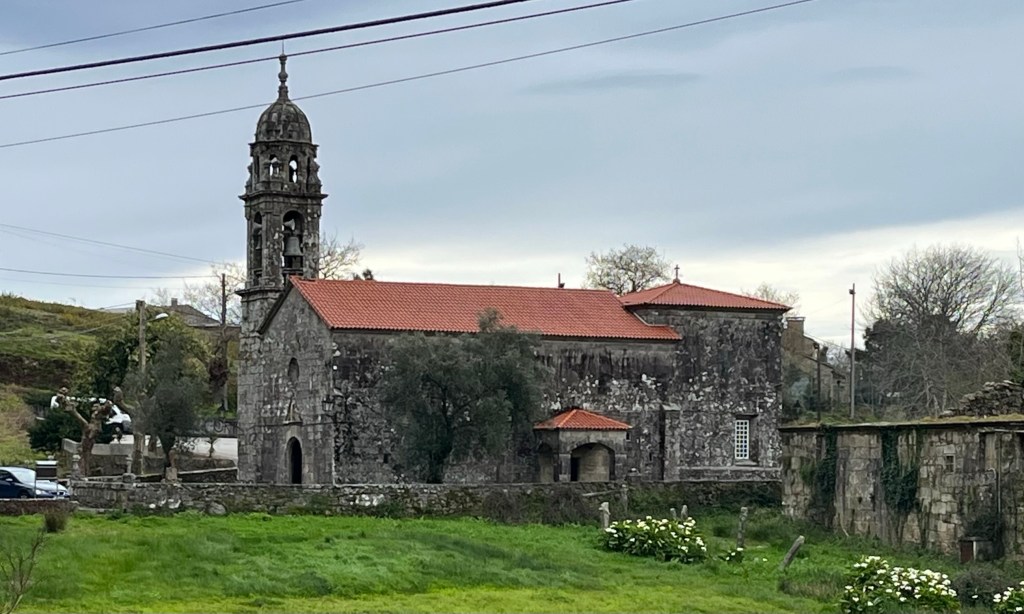
Igrexa de Santa Mariña de Carracedo

Since Caldas de Reis was fairly small, it didn’t take long for us to hike through it and into the countryside. Once we left town, most of the Camino between Caldas de Reis and Padrón was rural, which made for really peaceful hiking.

Crosses at Igrexa de Santa Mariña de Carracedo

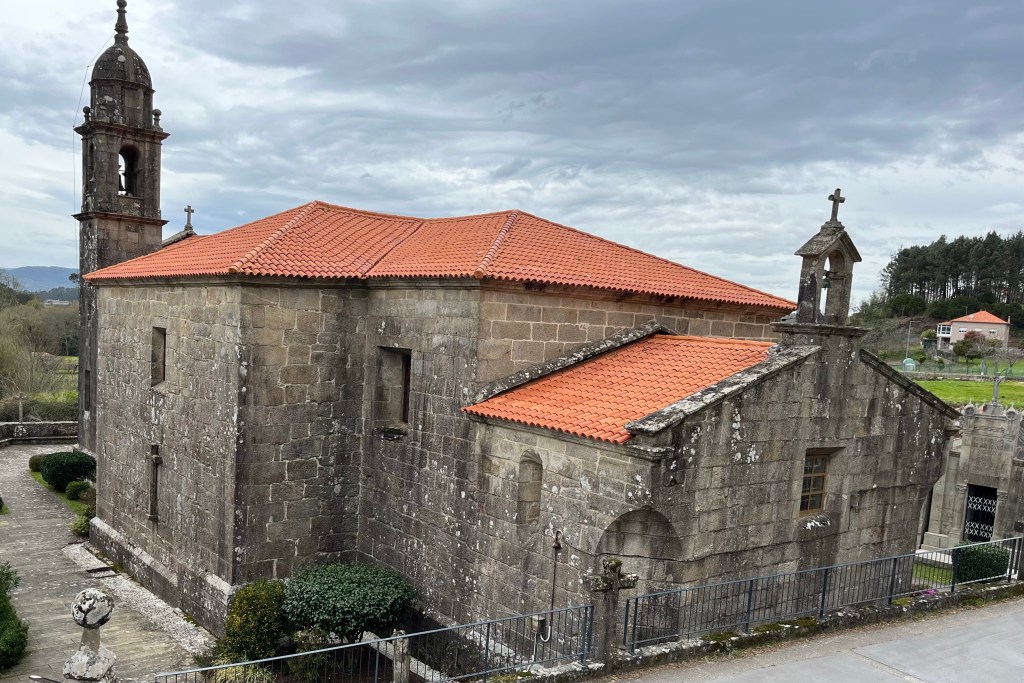
Early in the day, we arrived at Igrexa de Santa Mariña de Carracedo, a beautiful stone church. It is typical of the churches we saw in the area, with a gorgeous stone bell tower.

Iglesia de Santa Mariña de Carracedo

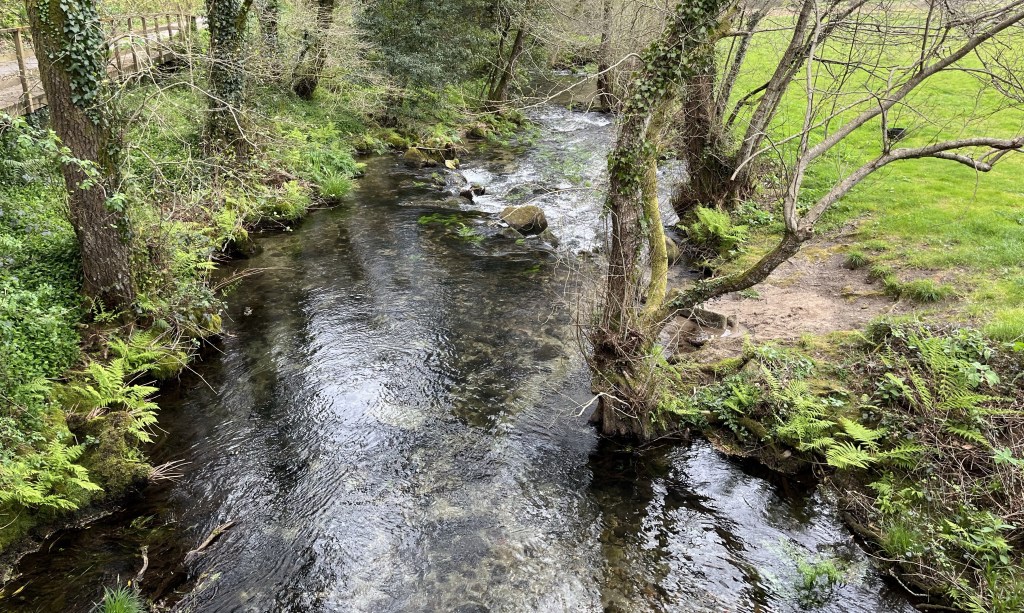
From there, we continued through the countryside, walking between farms and forests. The trail roughly followed the path of the small river.

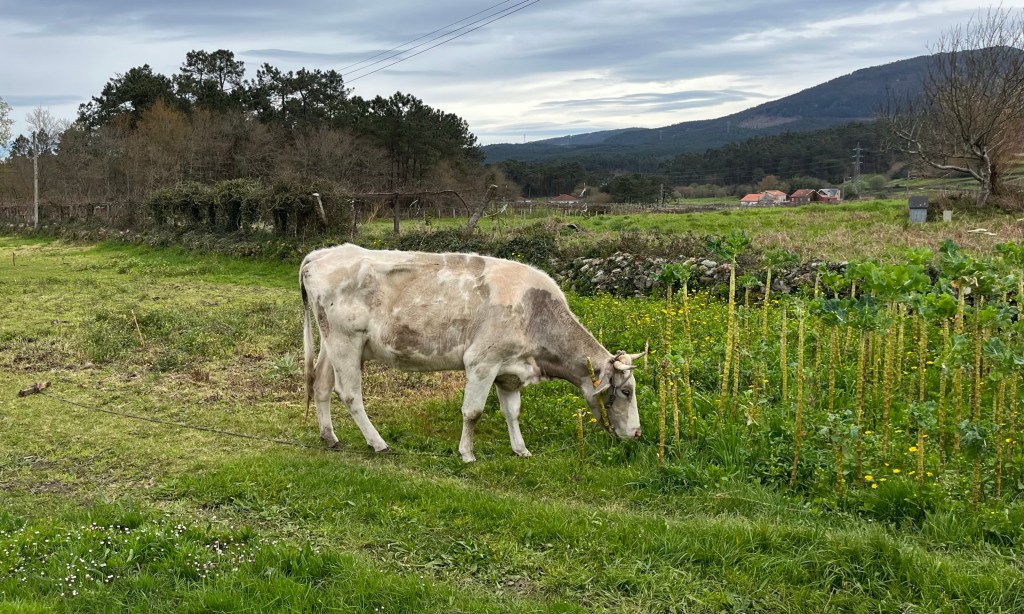
White cow near O Gorgullón

We stopped for an early lunch at Bar Pardal around eleven o’clock. They were extremely busy, and it was difficult to get service. The main reason why it was so busy was that The Boys were there.

Just like during the previous day, the fact that there were around 30 in that group made it difficult for the staff to handle all the customers simultaneously. This made for chaos and slow service, but we got our breakfast sandwiches and drinks and enjoyed them in the covered patio.

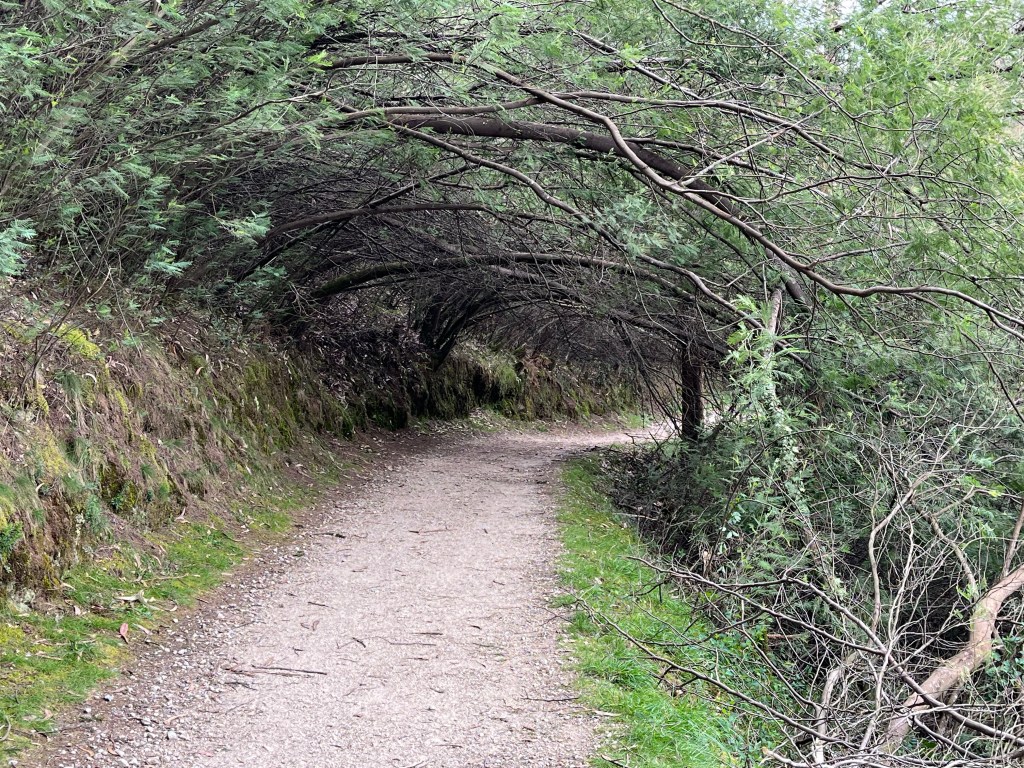
Trees form a tunnel over the trail.

While at Bar Pardal, we saw many familiar faces, including The German Girls, The Boys, and The British Couple. We enjoyed our brunch and then hurried out to get in front of The Boys, knowing it would take them a while to finish their meal and return to the trail.

On a Bridge over Rio Valga

We continued along the Camino, walking through the Galician countryside among farms and forests. We crossed Rio Valga and stopped for a drink and a snack at Buen Camino, a cafe across from Iglesia de San Miguel.

Iglesia de San Miguel

Buen Camino is a cute little cafe in a beautiful location next to Iglesia de San Miguel. That church is constructed in the same style as the other churches we saw in Galicia. Next to the church was a large cemetery. The cafe sits elevated over the cemetery with a fantastic view of the church and the hills on the horizon.

Cemetery at Iglesia de San Miguel

Once again, we ran into The English Couple who had also stopped for a quick drink. They were sitting on the patio overlooking the church, and we chatted with them while finishing our drinks, and then went back to hiking.

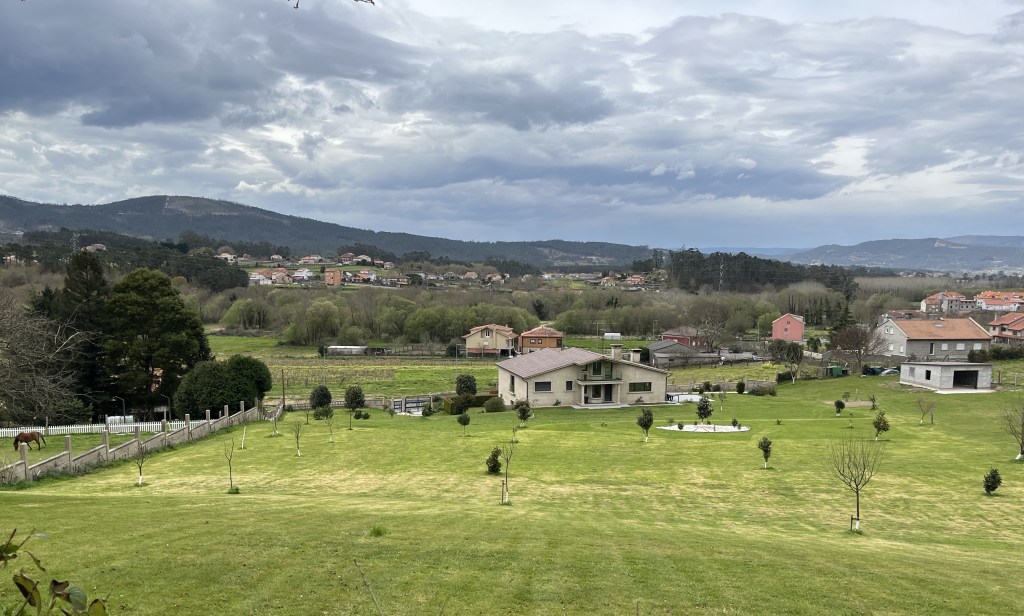
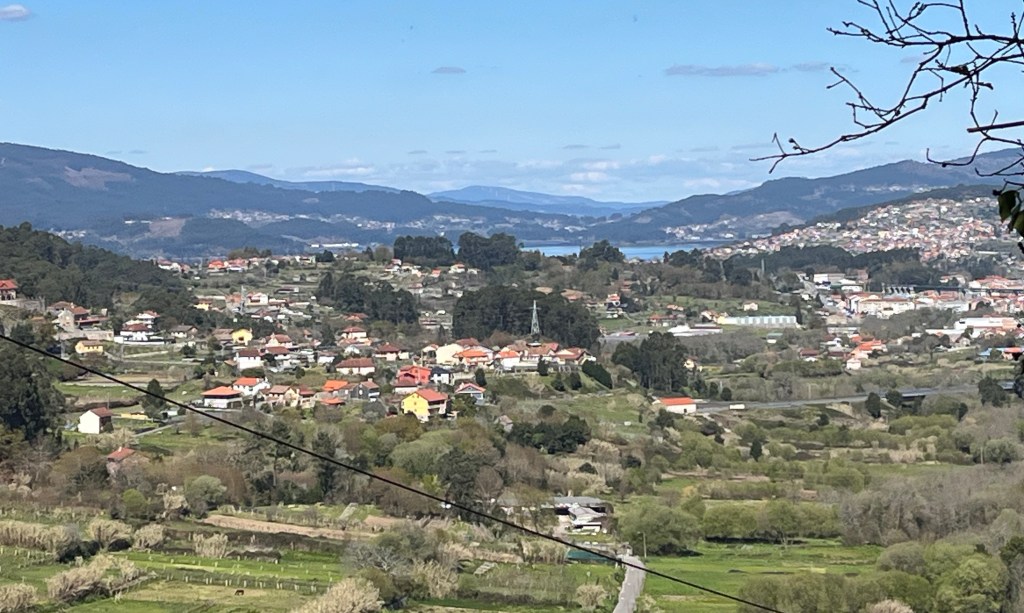
Galician Countryside past San Miguel

We were getting close to finishing our hike for the day, but as was becoming almost routine at this point, we were starting to hurt. Emma was still struggling with her Achilles tendon, Jenn was starting to limp as the hot spot in her foot got worse, and Alex was complaining about a bruise on his hip that was getting worse as the week went on.

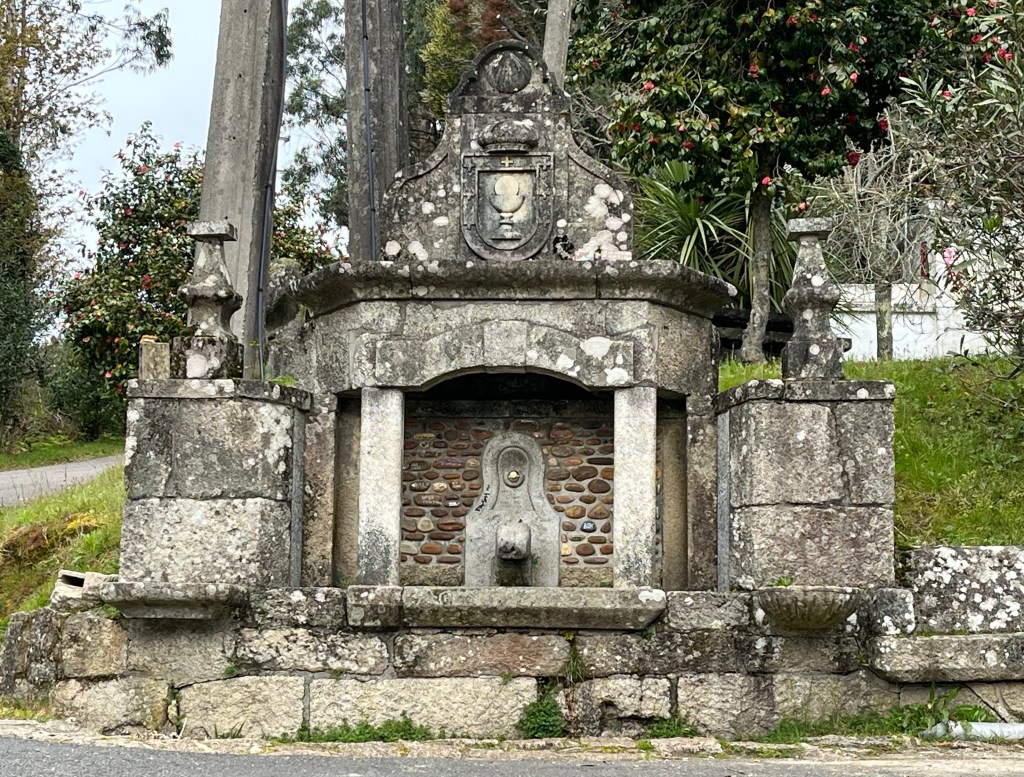
Fountain along Camino

The fact that we didn’t schedule an off day was beginning to look like a mistake. I was certain that our discomfort would have improved with an off day, and it was a mistake not to schedule one.

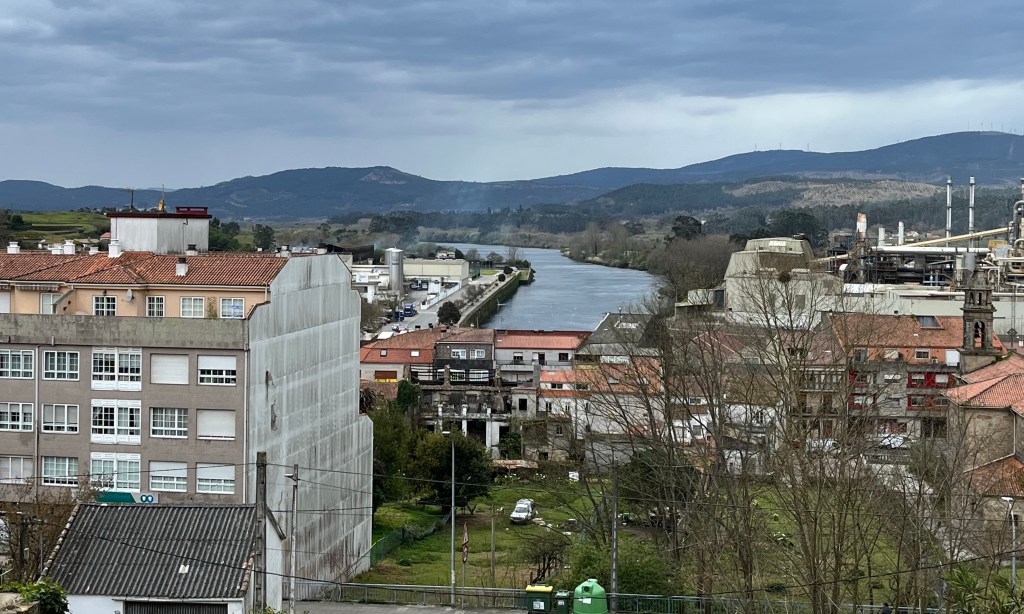
View of Rio Ulla from Pontecesures

The options for lodging in Padrón were limited, so we booked an Airbnb for the evening. We stopped for another drink at Cafe Bar Galicia in Pontecesures and to contact the Airbnb. We finished the remainder of our hike and met with the host of the Airbnb in Padrón. After dropping off our backpacks, we ventured out to explore Padrón and get some dinner.

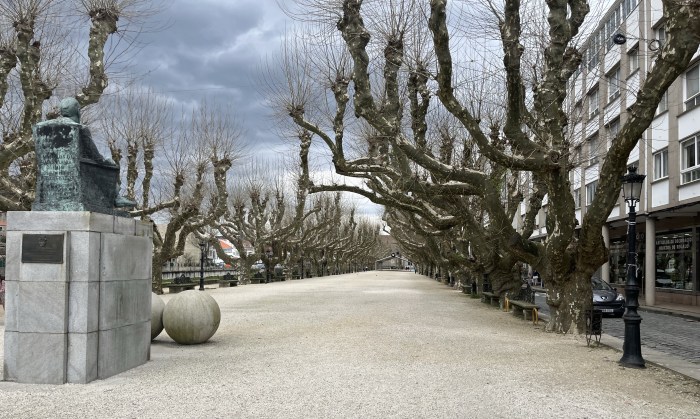
Padrón was a lovely town, but it was nearly impossible to get food before seven o’clock. Since the Spanish like to eat dinner fairly late, we had to check four or five restaurants before we found a restaurant serving dinner. While eating, we discussed the final day of the Camino. We were going to have our longest hike to date, about 17 miles, with about twice as much elevation change as our hilliest day so far. The forecast also called for rain.

Igrexa de San Xulian de Requeixo

No one was excited about hiking the last day between Padrón and Santiago de Compostela. Between the injuries, the difficulty of the final day, and the weather, the final day felt impossible.

In addition, I had planned to meet my friend Nate in Santiago de Compostela. Nate was an old friend that I hadn’t talked to in years, mainly because he had moved to Santiago de Compostela years ago to work in a community center. He was the main reason I had heard about the Camino, and I was looking forward to seeing him after all these years.

Paseo do Espolón in Padrón

But everything seemed a little bleak. How were we going to arrive in Santiago de Compostela with enough time to spare to see Nate and Santiago itself? Especially when, at this point, we were barely capable of hiking, let alone at a faster pace on our most challenging day.

Rio Ulla

We decided that we should get up an hour early, and hopefully we would make decent time. After dinner, I settled into bed for the evening. I started to hear rain and then strong winds as they began to shake the shutters on the windows. I checked the Weather Channel app, and it was calling for rain tomorrow with gusting winds of up to 40 miles per hour.

What I wouldn’t do for an off day, I thought. A single day off would allow us to avoid the bad weather and get valuable rest for our aching bodies. I closed my eyes and tried to ignore the banging of the shutters on the windows and all of my anxiety about the upcoming day.

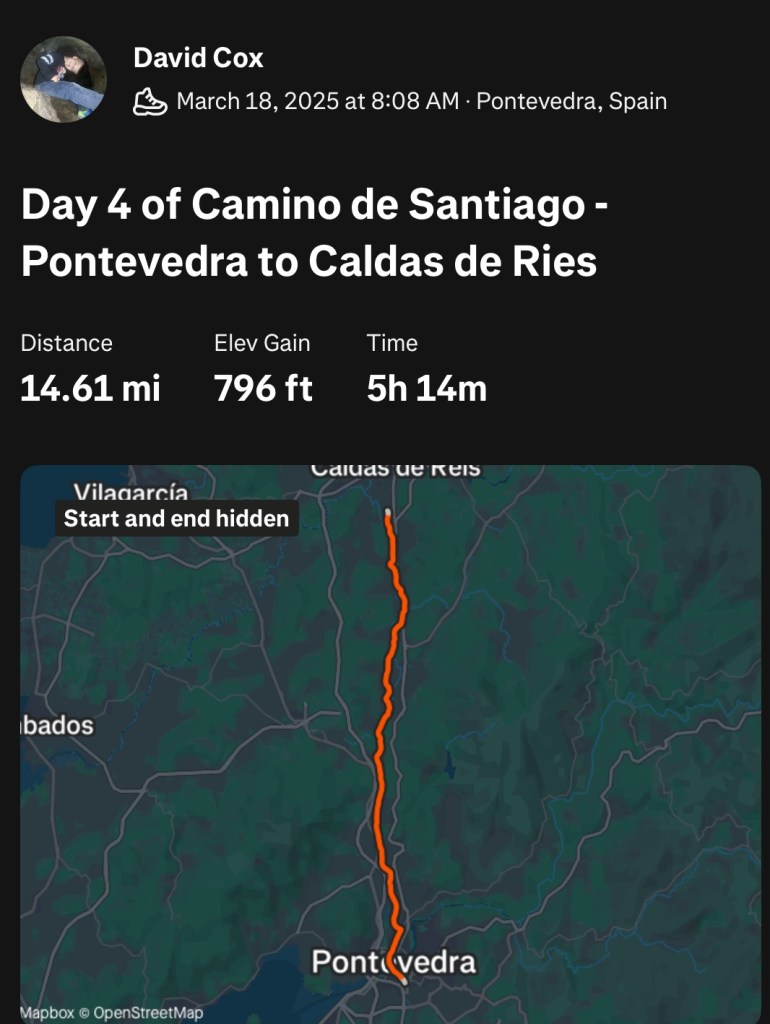
Day 4 – Pontevedra to Caldas de Reis

This is part four of a multi-part series on our experiences doing the Portuguese Central Route of the Camino de Santiago starting in Valenca, Portugal, and ending in Santiago de Compostela.

We woke up refreshed in Pontevedra at Dpaso Urban Hostels. We had a private room with only 4 bunks and a private bathroom, which made the experience seem luxurious by Camino hostel standards.

Day 4 was a considerably flatter day with about half of the elevation change of Day 3

Much of the beginning of the day was spent walking through Pontevedra. Pontevedra was the largest of the towns that we had stopped in, with nearly 83,000 residents. Going forward, we would be staying in towns much smaller than Pontevedra, and Carlos warned us that we should consider booking our accommodations ahead of time, because the hostels fill up fast. We were also slow hikers, so we were coming into town later than most pilgrims, which made finding a hostel a little more difficult.

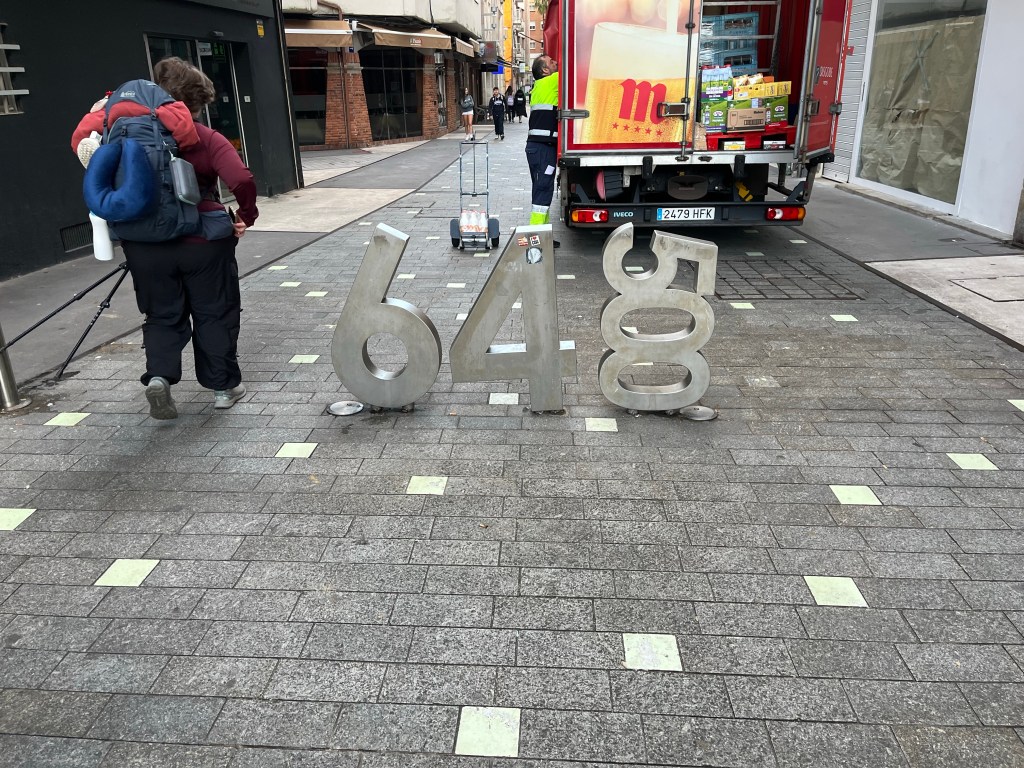
Sign marking 64,500 meters to Santiago de Compostela

With Carlos’s advice in our mind, we put Emma in charge of finding us a hostel, and she used a Camino app to find one in Caldas de Reis. Knowing where we were going, there was the small matter of hiking the 15 miles to get there.

Igrexa da Virxe Peregrina

The first and most important thing to do every morning was to find coffee. Having been in Spain for a few days, I was getting used to starting each day with a café con leche and a small snack, which is a wonderful habit.

Fountain in Pontevedra

We started hiking through the middle of town, crossing the Lerez River at Ponte do Burgo while keeping an eye out for a cafe. Following the bridge, we continued the hike uphill through the middle of town. Finally, we stopped for a coffee and some really delicious breakfast sandwiches that fueled us for the hike.

Streets of Pontevedra in the early morning

After breakfast, we left Pontevedra, and we were once again treated to amazing views of the Galician countryside. It was a bright, clear morning, and the temperatures were cool but not cold. It was absolutely perfect weather for hiking.

Hiking in the Galician Countryside

We stopped by Igrexa de Santa Maria to stamp our pilgrims’ passports and use the restroom. It’s a little church that caters to the pilgrims passing through. Next to the church is a cemetery with rows of mausoleums. We noticed a lot of cemeteries set up this way in Spain, with mausoleums next to a small church.

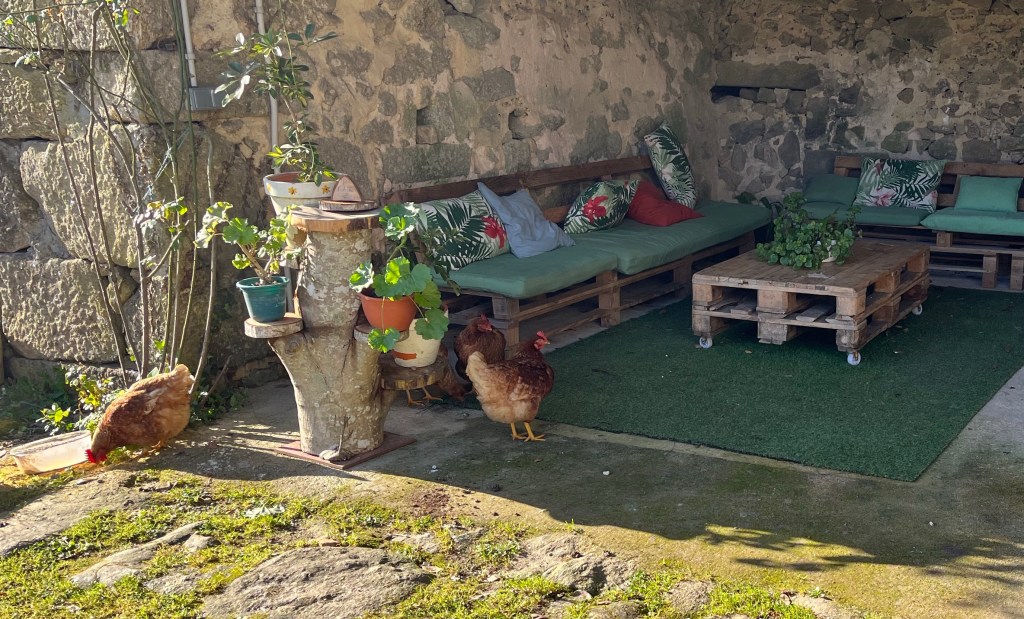
Chickens at Igrexa de Santa Maria

The church itself had a large yard in the entrance, where fairly tame chickens seemed unbothered by our presence. Outside, a man with a guitar and an amp played a Bruce Springsteen song, which seemed a little strange for rural Spain. We got our pilgrim passports stamped and moved on our way.

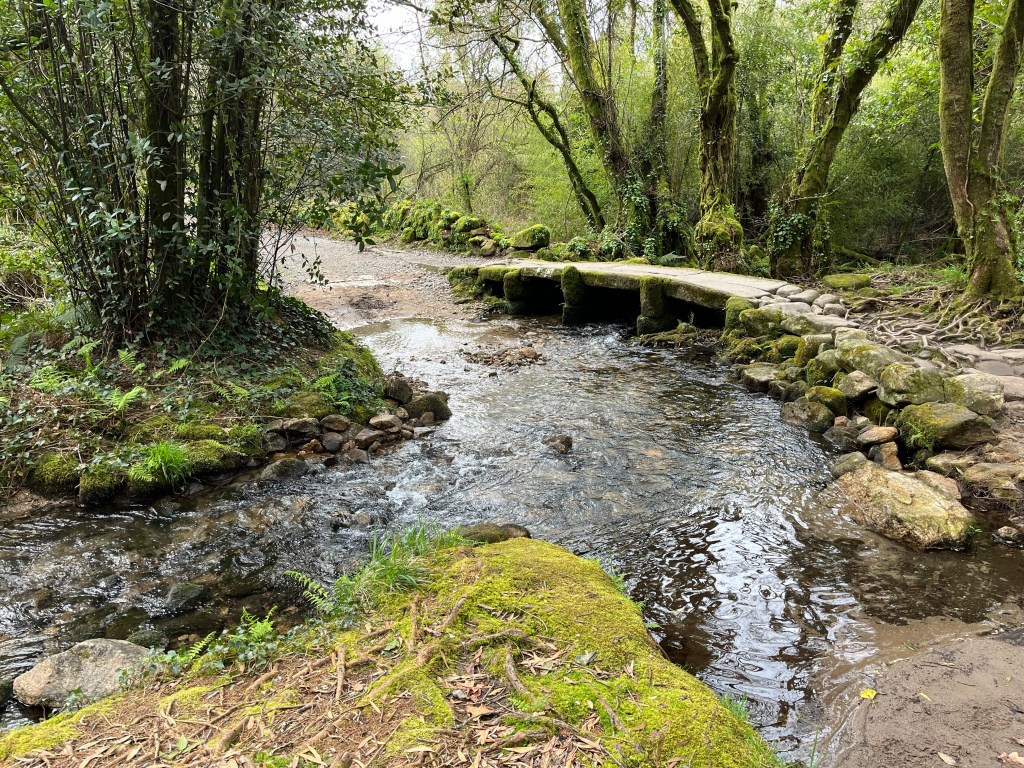
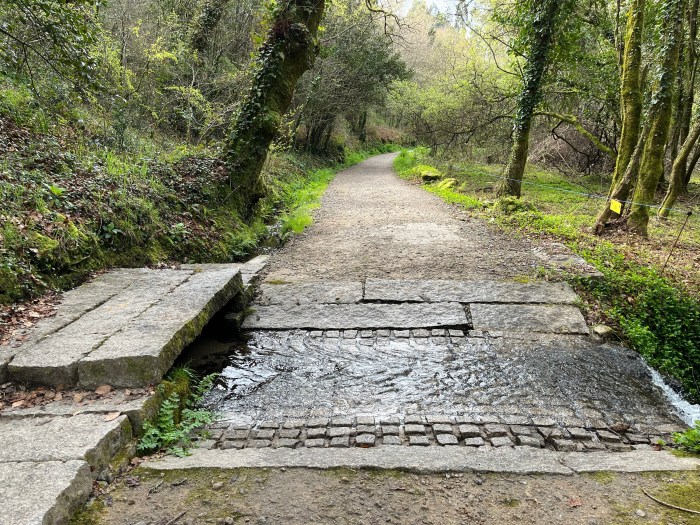
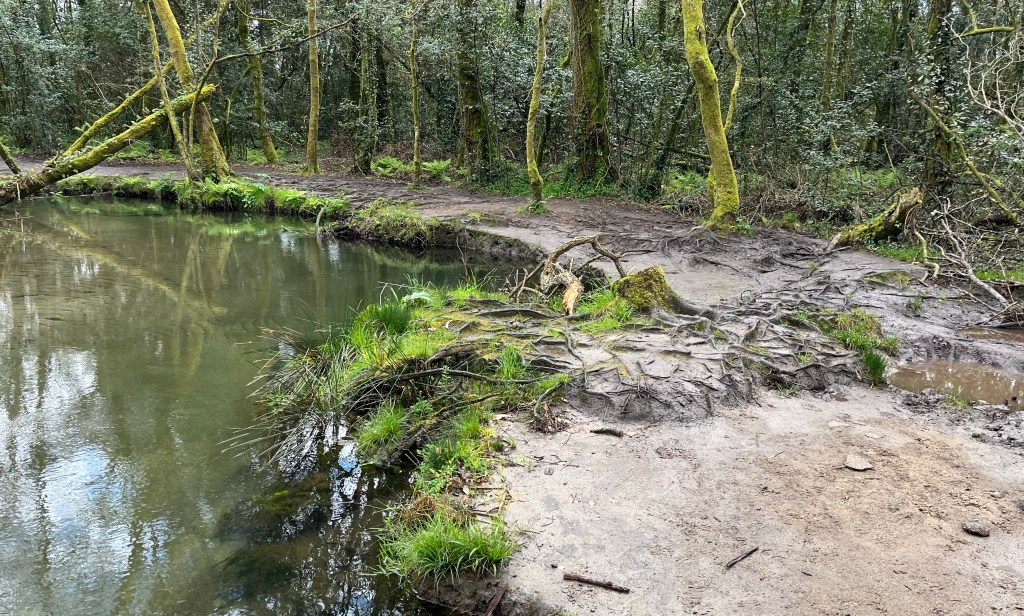
The next hour was spent walking on a wooded path next to a creek. The hike was peaceful with the creek flowing on one side, shade throughout, and an ancient stone path to walk upon. Several brooks crossed the path, and every time, there was a cute little stone bridge to help cross the brook.

A creek with a little stone bridge

This was about as calm and quiet a hike as you can imagine, but that serenity was about to end. Shortly after leaving the peace of the wooded area, we started to hear music, singing, and a group of young men lined up with their packs. The Camino was about to become much more crowded.

A path with drainage running over it and a stone bridge on the side

We were taking the main route of the Portuguese Camino, but starting at Pontevedra, there is an important split. Many pilgrims leave the main route of the Portuguese Camino at Pontevedra to hike the Spiritual Variant. It is a longer route that heads towards the Atlantic Ocean and then rejoins the main route at Padrón. It’s normally hiked in 3 days, while the main route, Pontevedra to Padrón, only takes 2 days.

Many of the pilgrims we were getting used to seeing, including the English Gentleman, decided to take this route. In many ways, the Camino is like life, where people enter your life and leave, often without fanfare or even a goodbye, and all you are left with are memories.

But as some have left the trail, we were joined by others. One such group was The Boys. The Boys were a group of high school students from the Boston area. They were there on an optional school trip during their spring break, and we had missed them in previous days because they were hiking the Coastal Route of the Portuguese Camino while we were on the Central Route.

They were well-behaved and polite young men, but they were unmissable. There were about thirty of them, and even though they were courteous, the sheer number of them was a disturbance. We met them shortly after the wooded area, presumably when they were taking a break.

We passed them while they were stopped, but since they were faster hikers than us, they had to pass us. Because there were so many of them, it took over a kilometer for the whole group to pass us. They finally passed us completely along the trail in the middle of the day, by a sculpture garden called Carballeira con Esculturas de Madeira.

We hiked another hour and a half before we found some lunch. We stopped at A Cabaza Cafe Bar, a little restaurant along the camino with sandwiches, pizza, and beer. It was a welcome sight, as we were getting tired and hungry. It looked a little busy from the outside, so we had the kids claim a seat on the patio. Then we went inside and realized why it was so busy.

The Boys were there. This was March, in the low time for the Camino, when only about half of the services like albergues and restaurants are open. When a large group pops into a cafe during low season, it can create problems for the folks running the cafe. The woman working the bar did a wonderful job of handling the unexpected business, and we enjoyed a couple of pizzas and some beer out on the patio.

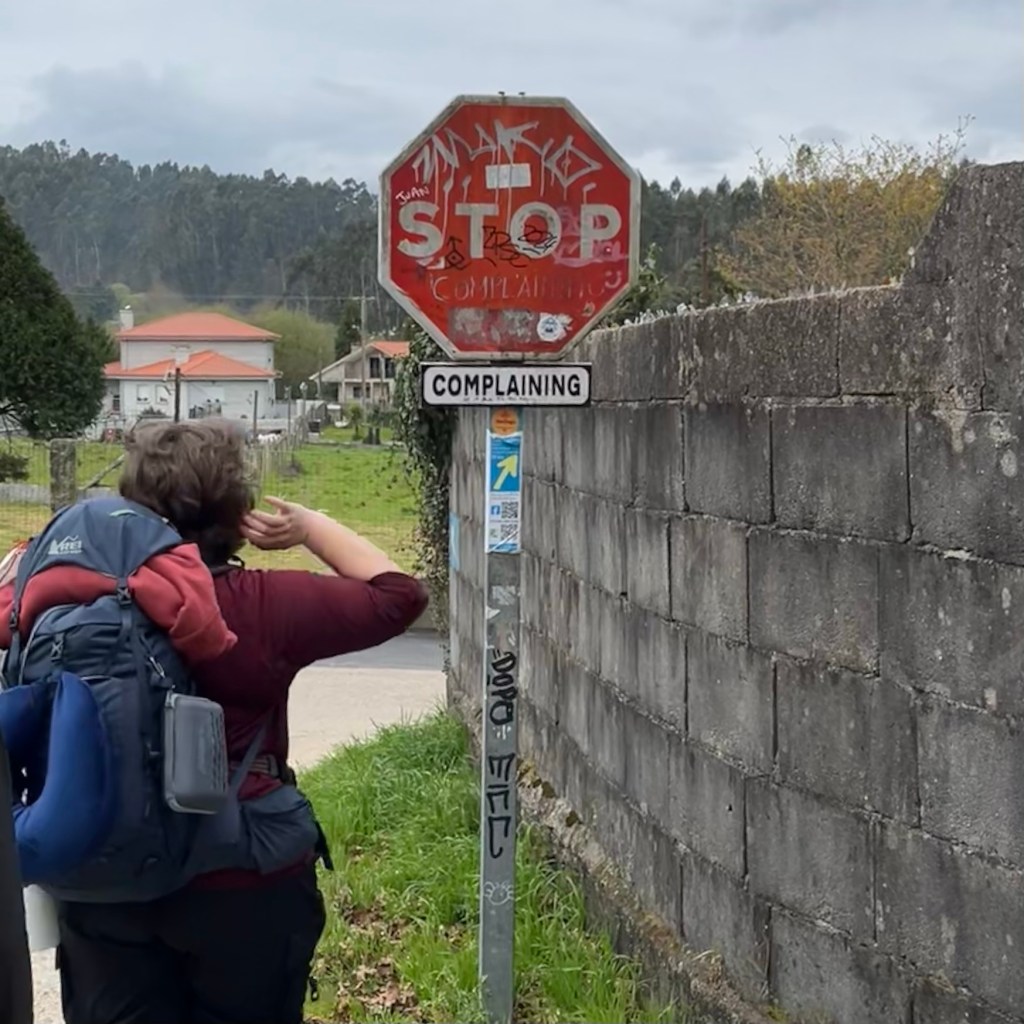
Appropriate sign on the Camino

While we were enjoying our pizza, Emma was complaining about her Achilles tendon. This was getting progressively worse for her, and it was beginning to get concerning. She was not looking forward to the rest of the hike that day and was getting a little cranky about it. Jenn and I, being the wonderfully understanding parents that we are teased her a little about it and told her to suck it up. She was getting pretty annoyed by the teasing.

We finished our lunch and went back to the trail, leaving A Cabaza before The Boys had finished their meal. This meant that they were going to have to pass us on the trail again. Emma was noticeably limping and was becoming more agitated as the hike continued.

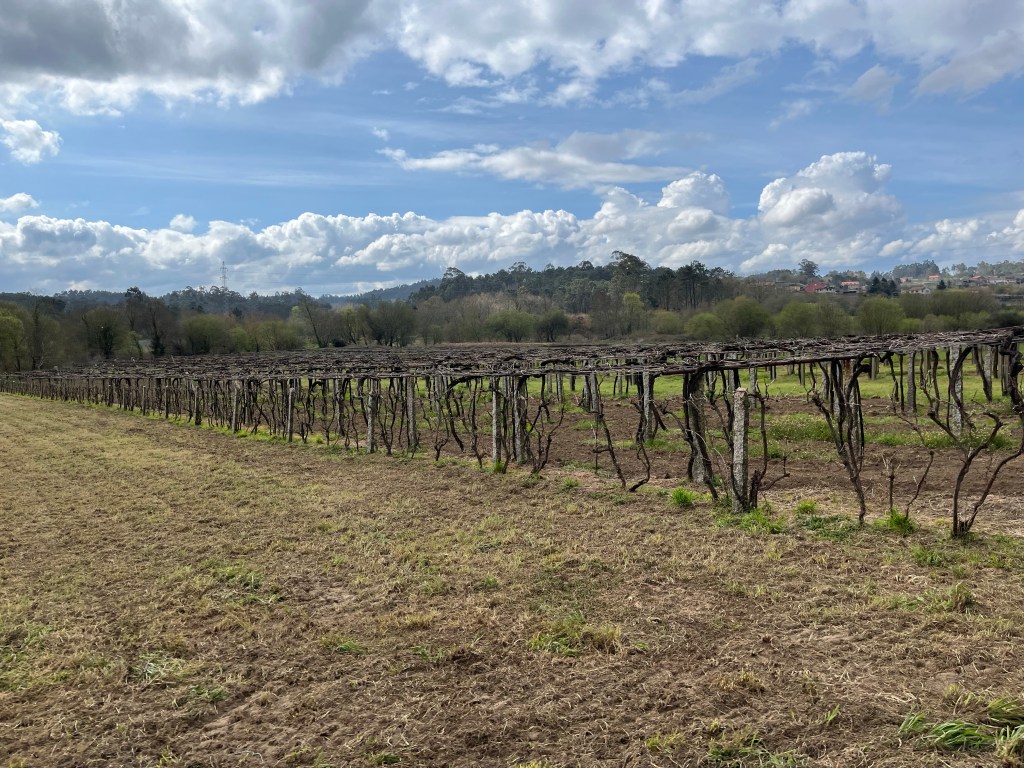
Vineyards were common late in the day, approaching Caldas de Reis.

As we walked through vineyards, The Boys caught up with us and started the long process of the whole group passing us, one by one. As soon as The Boys were past us, Emma and Alex left us in the dust. Jenn and I figured that our teasing Emma had upset her, and she wanted some time by herself. Alex followed behind her, probably because we had been hiking too slowly for him the whole time.

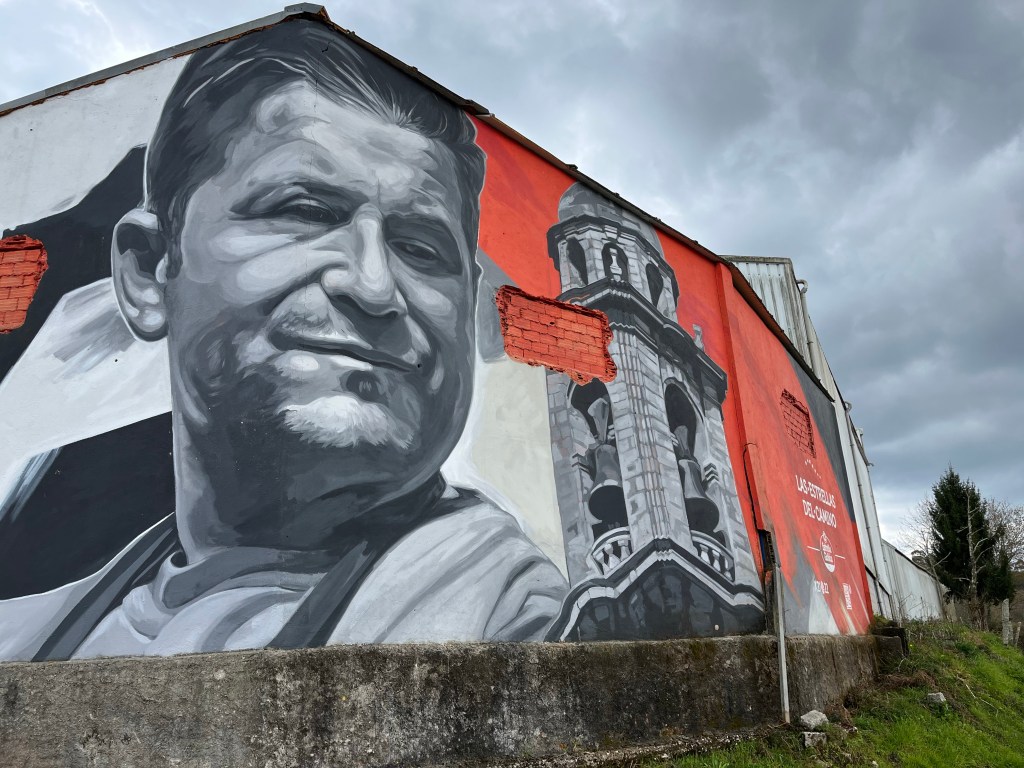
Estrella Galicia mural along Camino near Caldas de Reis

We had no desire to try to keep up with them, and they clearly wanted a little space from us, which really wasn’t surprising given the amount of time we had spent with them. We just texted them that we would meet them at the hostel.

We made one last stop on our way to Caldas de Reis, at Albergue Vintecatro for a quick beer and a bathroom break. Sitting outside was the English Couple enjoying a late lunch. We chatted with them a little bit about how we had apparently made Emma mad, and she left us. They had become familiar faces along the trail, and we enjoyed our short chats with them.

We finally made it to Caldas de Reis around 4 PM. Alex and Emma had beaten us by about half an hour and were waiting by Hotel O Cruciero for us to show up. We walked into the lobby, and there were The Boys, all of them, crammed into the lobby trying to check in. The staff was feverishly trying to get the passport information from each of them and get them checked into their rooms. Jenn and I exchanged glances that silently said, “Are you sure you want to spend the night in the same hotel as The Boys?”

Park and Mural in Caldas de Reis

One of the staff members noticed us, and realizing how long it was going to be to check in all of them, graciously helped us book a couple of rooms. The rooms were only 55 euros per night, but they were also pretty basic. However, I was just happy to have a private shower. I was worried that with that many high school-aged boys in the hotel that it would be noisy, but after the check-in, we barely noticed them.

Igrexa de San Tomé Becket

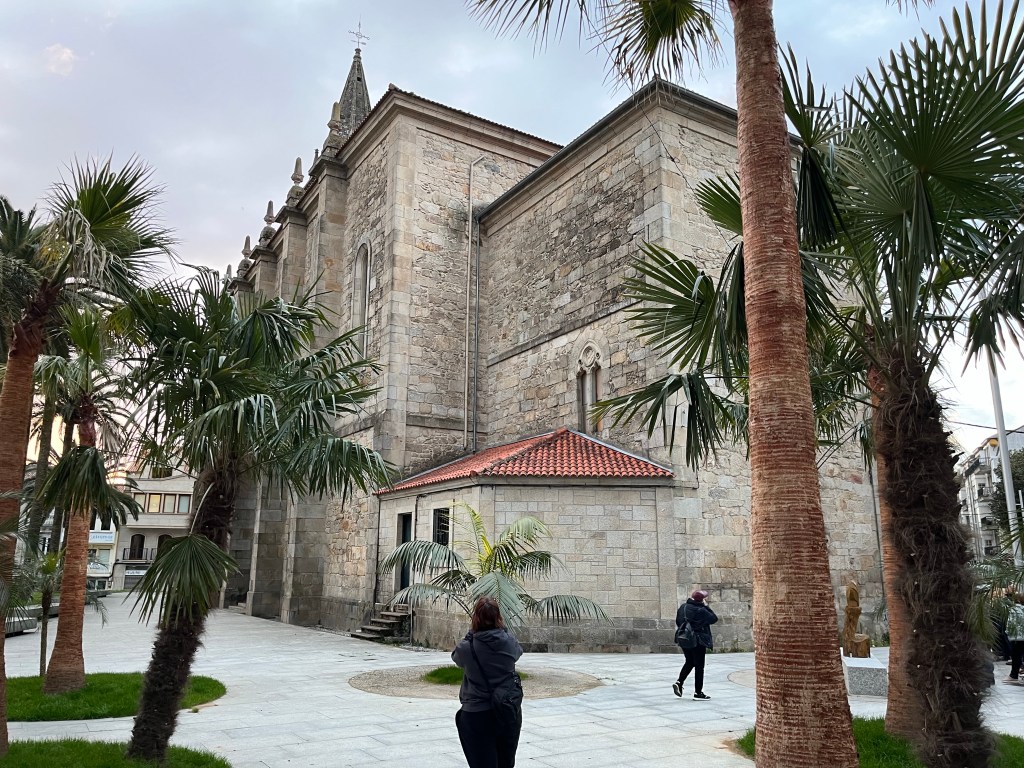
We spent the evening in Caldas de Reis walking around town. I especially loved Igrexa de San Tomé Becket, a stone church surrounded by palm trees.

We had some dinner and then went to a pharmacy to find some pain cream to help with Emma’s Achilles tendon. As it turns out, she was walking faster than us, not because she was angry with us, but because walking fast was less painful. We were starting to question whether we should hike the next day. I really didn’t want her to injure herself.

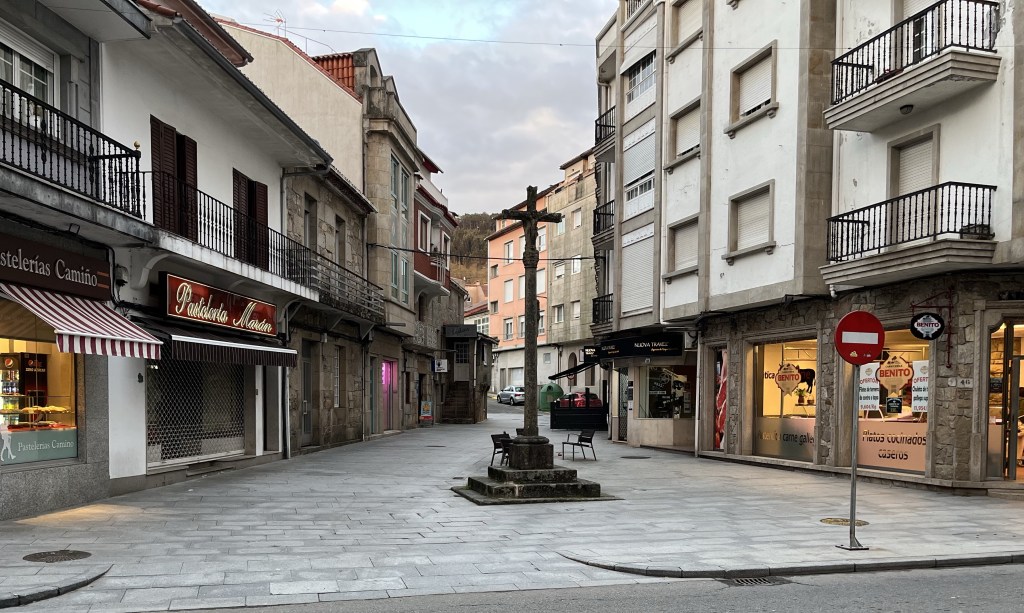
Small Plaza with Cross in Caldas de Reis

During the last couple of hours of our hike, Jenn had developed a hot spot on her foot that she mistook for a pebble in her shoe. It was becoming clear that physically we were beginning to break down, and we could use a day off. Unfortunately, our schedule didn’t allow it. We couldn’t finish the Camino with an off day; there wasn’t enough time. We went to bed that night, unsure if we would be hiking in the morning and hoping that some sleep would alleviate some of our pain.

Day 3 Redondela to Pontevedra

This is part three of a multi-part series on our experiences doing the Portuguese Central Route of the Camino de Santiago starting in Valenca, Portugal, and ending in Santiago de Compostela.

During one of our conversations with the English Gentleman we met on our first day, he commented about this being our first Camino. I joked that it was probably our last. He told me, “No, you’ll be back—it gets in your blood.” At the time, that seemed impossible. My shoulders hurt from trying to get used to my pack, and I wasn’t exactly used to staying in hostels.

But here we were waking up in an albergue for the third straight day. We had stayed the evening in Albergue A Conserveira, a fairly large hostel with probably somewhere in the neighborhood of 40 to 50 beds. Even though they were in one large room, they had separated them into pods of two or four. Each pod had a little curtain, which at least gave some privacy if you wanted to change your clothes. They also provided sheets and a blanket, which made the experience much more comfortable.

Water fountain at Parque Loureiro near Cesantes.

I didn’t notice a whole lot of noises overnight, which was surprising because of the size of the room and the number of pilgrims. The OSB board dividers between the pods did a pretty good job of blunting some of the noise. Inside the pod was a different story. Sleeping near my children revealed things I didn’t know about them. Apparently, Emma talks in her sleep, which was a surprise. What was really a surprise was that it was in Spanish.

Getting ready in the morning was a little more hectic than on previous days because the hostel was fairly full. There were quite a few pilgrims, all trying to get their packs ready and jockeying for space in the bathroom to get ready for the day. We headed out the door, saying our goodbyes to the people we met at the albergue.

Heading out down the streets of Redondela

The first kilometer of the hike was through Redondela, which is a lovely town. That was just the beginning of a gorgeous hike through Galicia from Redondela to Pontevedra.

Cross on building near Redondela

One of the main reasons was that we were in the area around the Ria de Vigo, an estuary that is 22 miles long and 7 miles wide at its widest point. Much of the early part of the hike takes place in the hills overlooking the estuary.

The Camino, just past Redondela

Leaving Redondela, we climbed into the hills on the outskirts of town. The Camino led us to a natural area with tall pines on both sides of the narrow path. The trail was covered with pine needles. We were mostly hiking uphill, and as we continued, the pine forest began to thin out a little and gave us a preview of the amazing views to come.

Ponte de Rande

Off in the distance, we could see Ponte de Rande, a striking cable-stayed bridge that crosses the narrowest point of the Ria de Vigo. The further we continued along the Camino, the higher we went, and the more spectacular the view. Now I understood what the English Gentleman told me – it gets in your blood. Every step was a blessing.

Ría de Vigo estuary

We started to descend into the town of Arcade, right where the Verdugo River meets the Ria de Vigo estuary. We stopped for a quick café con leche before crossing the Ponte Medieval de Pontesampaio, a stone arched bridge built in the 11th Century. It is an incredibly narrow bridge that allows automobile traffic to cross. Several cars inched past us on the narrow bridge while we were crossing.

Entering Arcade from the Camino

Between the ancient bridge, the wonderful buildings, and the cobblestone streets, Arcade is a pretty town. It would have been a lovely place to spend an evening, but we needed to push on to Pontevedra.

Pontesampaio

Leaving Arcade, we went into another natural area that had some technical hiking, where we were actually hiking uphill in a rocky creek for a while. I’m sure that most of the time, that creek is dry, but it had rained a little, and there was water flowing down the path.

The path after Arcade became a rocky creek.

After a while, we came to a fork in the path where we had to choose between going on what looked like a slightly longer path along a creek and a shorter one along the road. We chose the complimentary route along the creek.

Path along the creek on the Complimentary Route.

I think we underestimated the extra time and distance needed to walk the complimentary route along the creek. I don’t know how much it added, but the path was extremely curvy. The complimentary route was a calm walk, but the extra hiking began to wear on us.

Tunnel near the end of the complimentary route

I began to notice a pattern emerging where we would start to get progressively crankier after ten miles of hiking. Emma would normally run out of gas about that time, and it also seemed like every day, Jenn would need a restroom late in the day, with nothing around. The Camino doesn’t have a ton of restroom facilities, and that can get a little stressful when you are out in the woods for a long time. Alex and I would get tired as well, but both of us get quieter when that happens.

Pontevedra sign

Just as we were about to completely run out of steam, we arrived in the beautiful town of Pontevedra.

Walking down the street in Pontevedra

We got to Dpaso Urban Hostels, which had run out of bunks in the normal area of the hostel, but they did have space in a different building that had private rooms. We were able to book a private room with four bunks, which turned out to be perfect for us.

Igrexa da Virxe Peregrina

It was a very nice room for accommodating pilgrims with plugs on every bunk and sheets, and a comforter. The big luxury was our own private bathroom with a rain showerhead. I don’t mind sleeping in a hostel, but the shared bathrooms are something I really don’t like. Having our own bathroom for an evening was amazing.

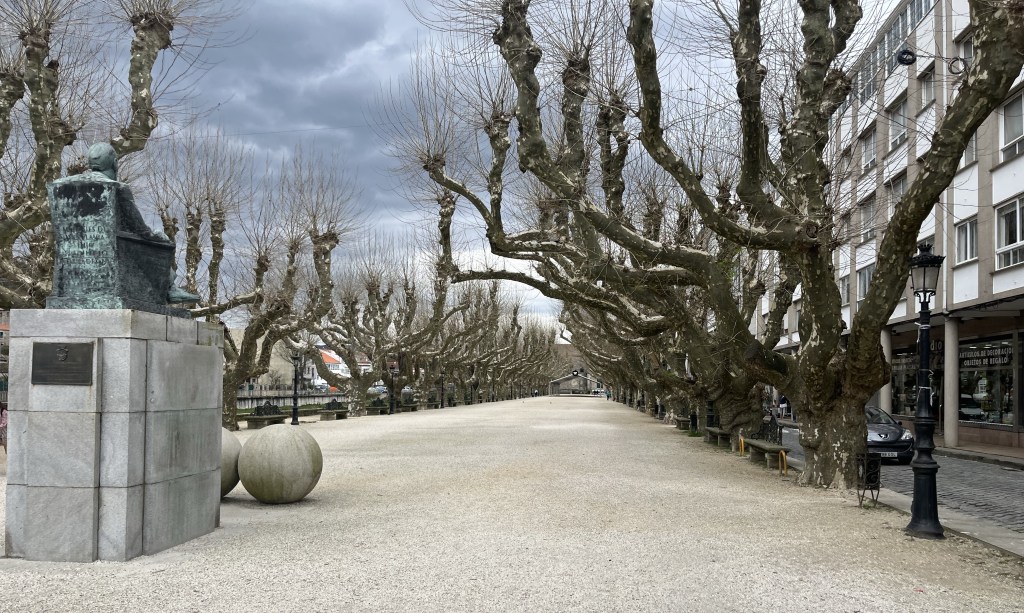
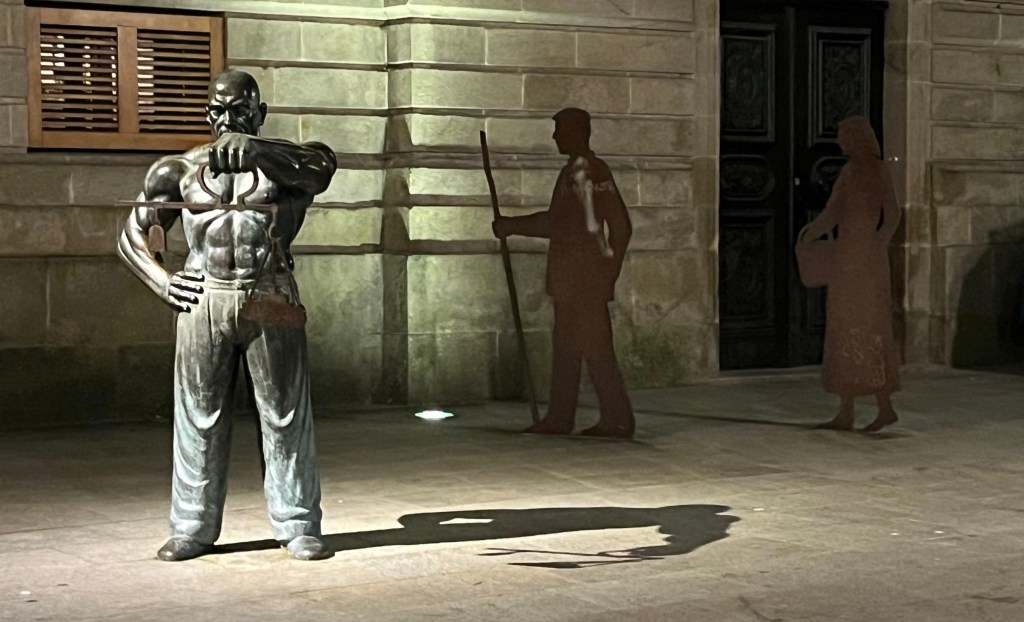
Statue in Pontevedra

We went back to the main area of the hostel to do some laundry and ran into the English gentleman, as well as Carlos, whom we talked with for about an hour while doing the laundry. At this point, there were people we were recognizing all the time, some that we never talked to other than to say buen camino. We had names for them like the German girls, the Ohio girls, the Italian couple, and the guy with his Mom. Even though we never had conversations with some of these people, our greetings became more friendly as the week went on because they were friendly faces.

One such couple was the English couple. They are a married couple who had done the entire French Way of the Camino, which normally takes around 40 days. They didn’t do it all at once. Instead, they did it a week at a time when they were on vacation. We first met them at Casa Veiga on day 2, and ran into them repeatedly the rest of the trip, since they were walking at our pace.

We ran into them again at Bar Pitillo, which had been suggested by the hostel attendant. They sat at the table across from us, and we chatted a little. Pontevedra is a fairly large town, and it seemed unlikely that we would run into familiar faces at dinner. But that’s just how the Camino seems to go; you always seem to be running into the same people.

Chorizo inferno at Bar Pitillo

Following dinner, we arrived back at the hostel where we climbed into our bunks to rest after a long and challenging day. I reflected on what a beautiful hike it had been and the wonderful people sharing our journey. It had become clear to me that the English Gentleman was correct. The Camino was in my blood now.

Day 2 of the Camino – O Porrino to Redondela

This is part two of a multi-part series on our experiences doing the Portuguese Central Route of the Camino de Santiago starting in Valenca, Portugal and ending in Santiago de Compostela.

The first day of the Camino was hard on us. Everyone was sore. For me, it was my shoulders. I wasn’t used to my backpack. Surprisingly, a good night’s sleep healed up most of our aches and pains. The first day had tested everyone physically and mentally, but surprisingly everyone woke up refreshed and ready to take on another challenge.

We tinkered around in our hostel kitchen and made some breakfast. The English gentleman we met the previous day was also having breakfast, and we discussed his previous caminos. He had done the English way, the French Way, and the Coastal Route of the Portuguese Way. This time he was doing the Portuguese Central Route with the Spiritual Variant. Talking to him it became clear that you can hike the Camino in infinite ways. As a nearly 70-year-old man, he had truly been making the most of his retirement and was inspiring to talk to.

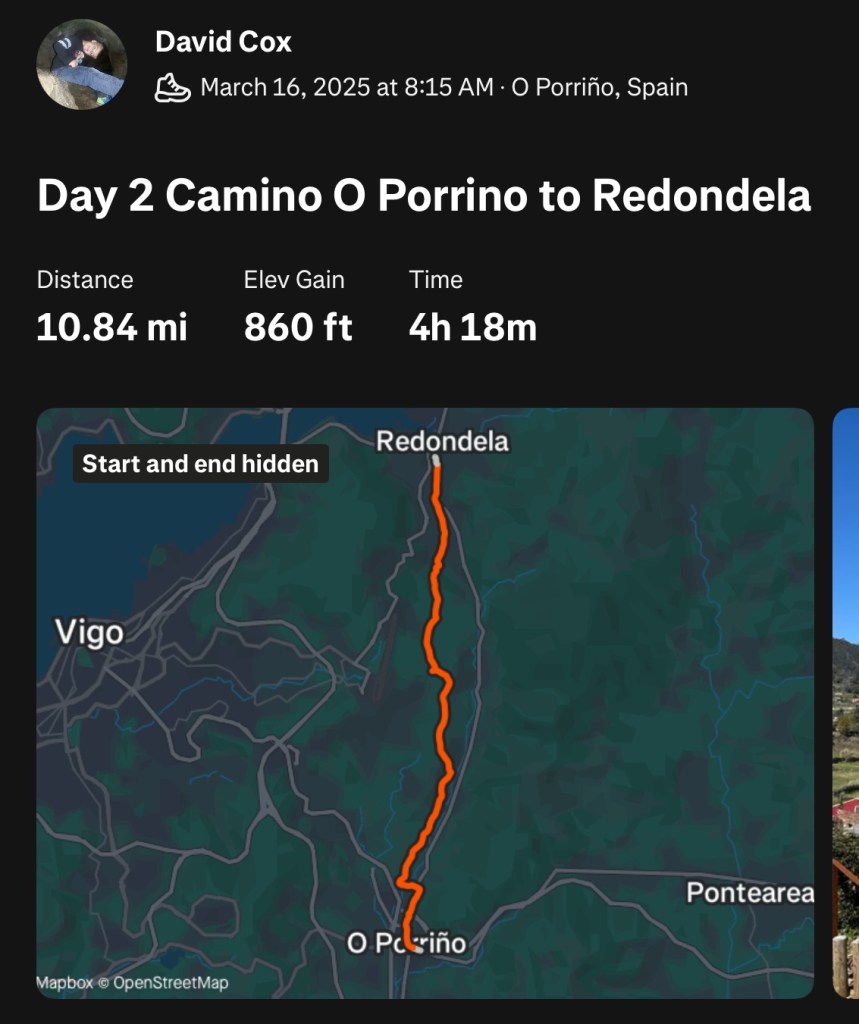
Strava activity from day 2

We told the gentleman goodbye and that we would see him on the trail (he’s a faster hiker than us, he was going to catch up) and started our walk toward Redondela. Most of the early part of the day was spent hiking through rural Galicia. It was on a lot of blacktop country roads weaving through farms.

Sheep above a wall near Mos, Spain

In Iowa, we are used to giant factory farms where one family plows thousands of acres of one crop, either soybeans or corn. In Galicia, farms are small and have a variety of animals and crops. Almost everyone had a dozen or more chickens. There were also usually some other animals on the farms including ducks, geese, cows, sheep, and sometimes goats. There were also a lot of gardens and grapevines. My favorite thing about these little farms was that you normally saw an orange tree and a lemon tree on the property. Walking outside and picking an orange right from the tree has to be pretty amazing.
Wooden arrow marking direction on the Camino

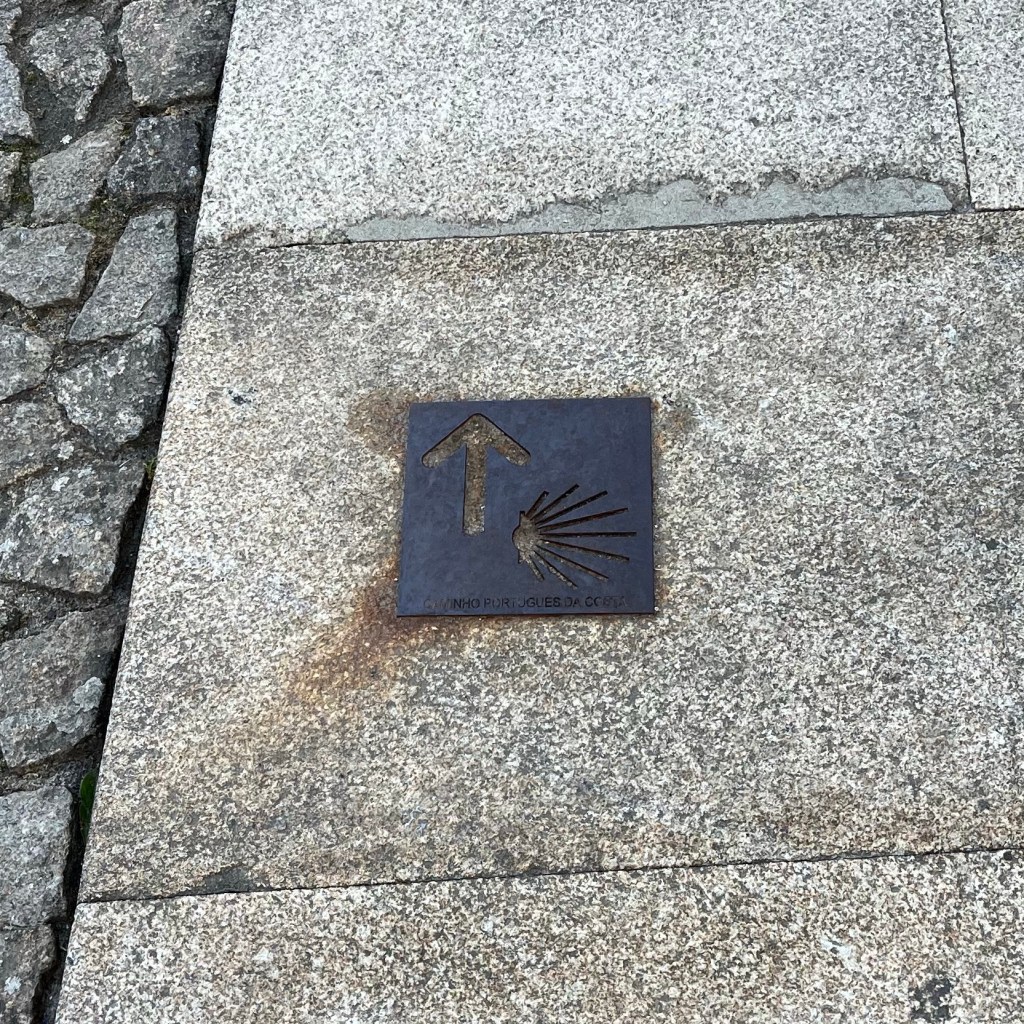
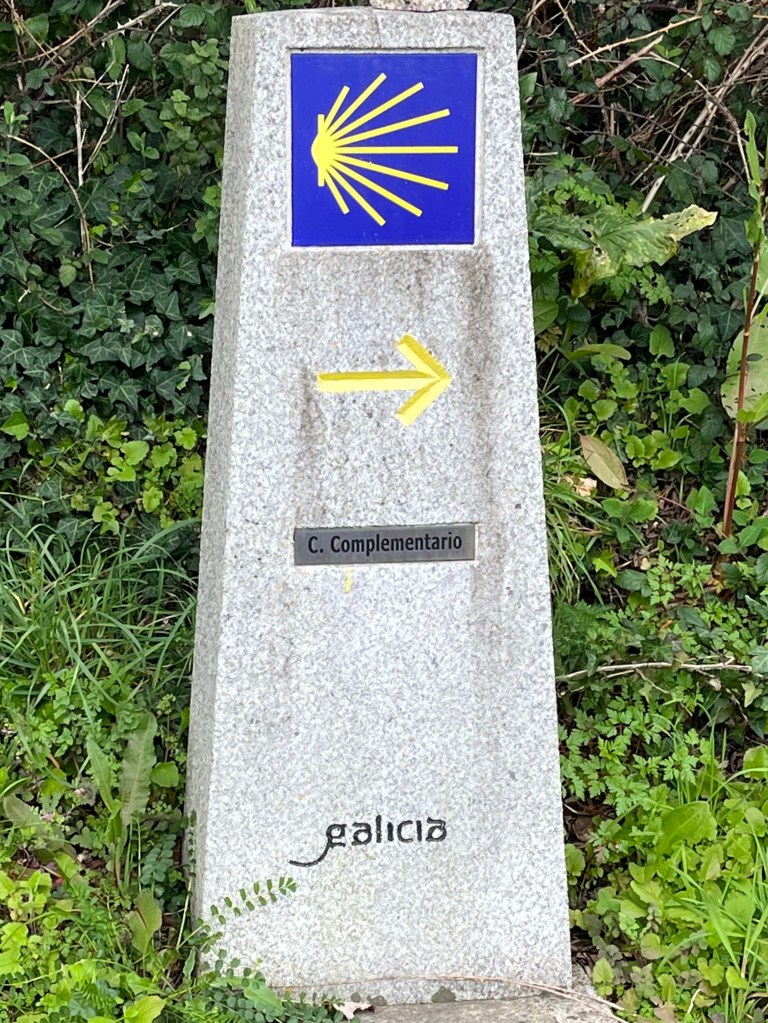
Walking among the farms, I began to realize that my anxiety about getting lost had vanished. The Camino is marked with yellow arrows that guide pilgrims to Santiago de Compostela. These arrows come in a variety of forms. Some are simply spray painted on walls, some are wooden arrows, and some are signs. There are also granite monuments and brass shells embedded into streets. These markers are at almost every intersection, ensuring pilgrims don’t take a wrong turn.

Metal marker on a sidewalk

I was surprised by the frequency of these guides, especially the granite monuments. Those monuments mark the Camino and give the pilgrim the distance left, in kilometers, to Santiago de Compostela. It became clear that we weren’t going to get lost.

A little chapel named Igrexa de Santa Baia de Mos

We walked among these farms until we reached Mos, a tiny but beautiful village. We stopped for coffee at a cafeteria there, which was mostly serving locals at the time. We had some café con leches and a bite to eat and prepared ourselves for a large hill we were about to climb.

A small group of shops and restaurants in Mos

The next two miles or so were hiking uphill as we gained about 600 feet of elevation. As with most climbing, the views improved as we became more tired. At the top of the hill, we stopped at Casa Veiga for a couple of beers and some bocadillos under an orange tree. Bocadillos are basic sandwiches usually made with baguette-style bread. They were available at most bars and like most sandwiches can be found with a variety of fillings. Typically, we saw things like jamon, chorizo, bacon, and cheese.

Bacon and Cheese Bocadillo from Casa Veiga

The man working at Casa Veiga didn’t speak much English, so we did our best to order in Spanish. Jenn, Emma, and I have all been trying to learn Spanish, so it was nice to try out our skills. I notice so often while in Europe, that so many people speak excellent English, that I feel like I’m annoying them when I try to speak in their language (Germans are definitely annoyed).

Orange Tree at Casa Veiga

The odds of meeting someone who doesn’t speak English well in Galicia must be higher than in other parts of Europe. That is because the language spoken in this area is Galician which is very similar to both Spanish and Portuguese. However, the main official language of Spain is of course Spanish, which means for most people, English would be a third language not a second.

View from the outside dining area of Casa Veiga

With our stomachs full of bocadillos, we continued to Redondela. Most of the hiking from Casa Veiga to Redondela was either flat or downhill, which made the rest of the day pretty easy. The views coming down the hill were really nice. There were many areas where we were on top of a hill looking out over the Galician countryside. It made for an enjoyable second half of the hike.

Looking down toward Redondela you can see a tiny bit of the Ria de Vigo estuary

We made only one more quick stop for a drink at a café and we were in Redondela. The second day turned out to be our shortest hike, where we only logged around 11 miles. After struggling the first day, the short day was welcome and we were all feeling a bit more confident that we would finish the Camino.

Countryside near Redondela

We checked into Albergue A Conserveira in Redondela. Unlike the previous two stays, this hostel was nearly full. The Portuguese coastal route had now joined the Portuguese Central Route and now there were considerably more pilgrims looking for beds.

Sign in front of an Albergue in Redondela

This is where things started to become more social. We ran into the English gentleman again who was staying in the same hostel. Jenn and Emma chatted with two girls from Ohio taking a gap year. They were on their second week of the Camino, having started from Porto.

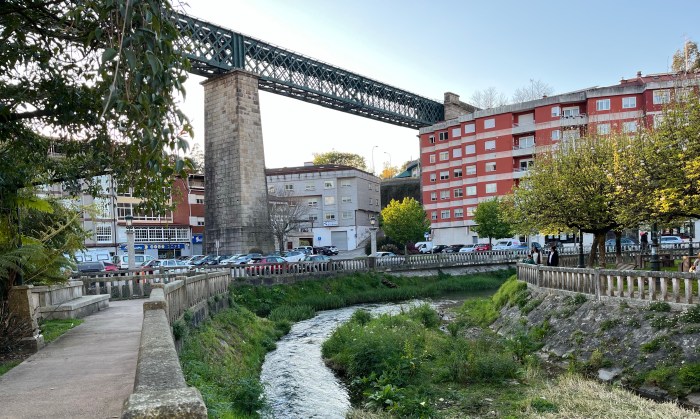
After getting situated in the hostel, we headed out to look around the town. Redondela is beautiful. There is a creek that runs through the center of town and a lattice iron train bridge that seems impossibly tall going over it.

Creek running through Redondela with overhead train bridge

We sat down for a couple of bottles of wine at Don Vilnius, a tapas and wine bar. Don Vilnius has an outdoor patio facing a beautiful building called Convento de Vilavella. We ordered a bottle of house white and a bottle of house red. Both were very good and it was a great night to sit outside in a beautiful setting and enjoy some wine.

Convento de Vilavella

Returning to the hostel after dinner, we met Carlos, a young man from Valencia. He’s one of those incredibly friendly, generous people who is just having a great time all of the time. He had done plenty of caminos in the past and because of his outgoing personality, it seemed like he knew everyone. He and his friend Herk were making spaghetti carbonara in the hostel kitchen and enjoying a couple of beers.

We sat in the kitchen for way too long talking about the Camino, differences between the US and Spain, and life in general. We eventually had to go to bed because we had another big day the next day. It had been a great day along the Camino and I was looking forward to day 3.

Beginning the Camino – Valenca to O Porrino

This is part one of a multi-part series on our experiences doing the Portuguese Central Route of the Camino de Santiago starting in Valenca, Portugal and ending in Santiago de Compostela.

Walking the Portuguese Route of the Camino de Santiago was an unusual choice for a spring break trip. We could have chosen something a little more relaxing, like a beach vacation, but here we were, backpacks on, getting ready to head out for an adventurous, long hike across Galicia, in the northwest corner of Spain.

Following a night in Porto, a train ride to Valenca, and our first night in an albergue, Jenn and I and our two kids Alex and Emma were set to begin a journey of more than 120 kilometers to the Cathedral in Santiago de Compostela.

Strava recording from our first day on the Camino

We started our Camino from the Albergue Sao Teotonio in Valenca. Albergues are essentially what Americans call youth hostels – basic bunk beds stacked in rows to maximize sleeping capacity and economy not comfort.

City walls of Valenca

It cost 8 euros per bed a night, cash only, and we were given fitted sheets made of paper to sleep on. Each of us packed a sleeping bag liner for these conditions. It was uncomfortable and I didn’t sleep well. This was when I found out that my son was a snorer and I worried that we were keeping the other guests up. However, I don’t think this was the case since I was hearing snoring from the other guests as well. I probably only got a few hours of sleep between the uncomfortable conditions and the anticipation of starting the Camino.

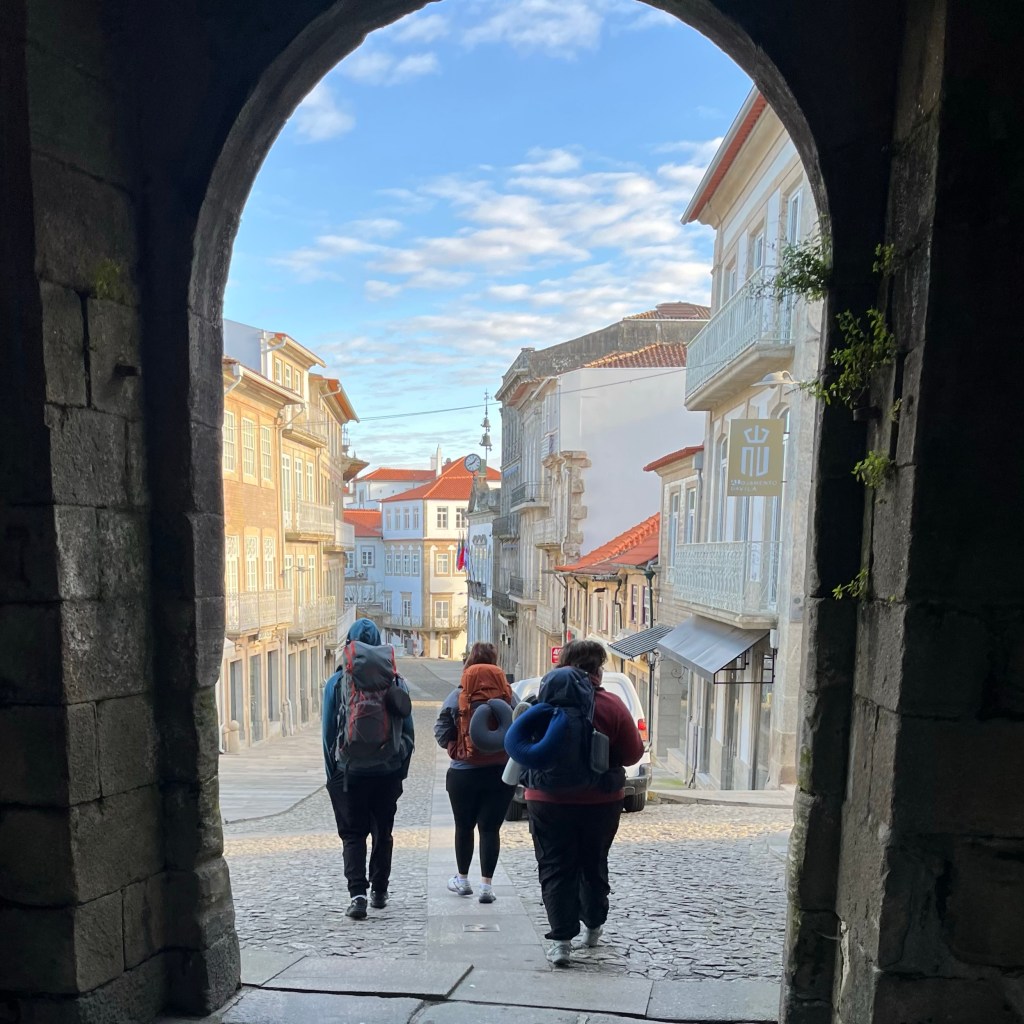
Emerging into Valenca through the castle walls

We woke up in the morning and had some coffee from the instant coffee vending machine in the common room. We readied ourselves for the first morning, made our packs as comfortable as we thought they could be, and walked out of the albergue and onto the Camino.

Building inside the city walls of Valenca

The trail from the albergue immediately winds through the Fortaleza de Valenca, the ancient fortified town of Valenca. It was first built in the 13th Century and has been improved many times, but the current walls are from the 17th and 18th centuries.

Capela do Bom Jesús with Statue of Sao Teotonio in front

The town is very well preserved but is mostly bars, restaurants, and gift shops now. We lamented the fact that most pilgrims would be coming through the town at night and would have a variety of bars and restaurants to choose from and we, unfortunately, were going through in the morning when nothing was even open yet.

Building in Valenca

Leaving the castle walls of Valenca we continued down to the Minho River where we crossed into Spain for the first time. Once in Tui, we had a couple of people greet us with a “Buen Camino”, the traditional greeting of pilgrims on the Camino. One kind gentleman showed us where to find the first marker on the Spanish portion of the Portuguese route of the Camino.

Bridge from Valenca to Tui and the border between Portugal and Spain

We wound along the Minho River and saw a Cathedral on a hill. The route took us up the hill and finally to the Tui Cathedral where we stopped to buy pilgrim shells. Scallop shells are the traditional symbol of the Camino, with pilgrims frequently hanging them from the outside of their backpacks in order to show they are on the Camino.

Cathedral in Tui

There are many explanations as to why scallop shells are the traditional symbol of the Camino but my favorite explanation is that on a scallop shells there are several lines converging into one point. This is similar to the multiple paths of the Camino converging in Santiago de Compostela.

Looking out at the Minho River from just past Tui Cathedral

In Tui, we met our first fellow pilgrim, an English gentleman who is retired and has done multiple routes of the Camino. We had a nice chat with him and he gave us some pointers on doing a Camino. He gave us some instruction on the proper use of hiking poles, which might sound basic, but using them improperly negates much of their benefit. The whole time we were chatting, we had been walking through a rural natural area.

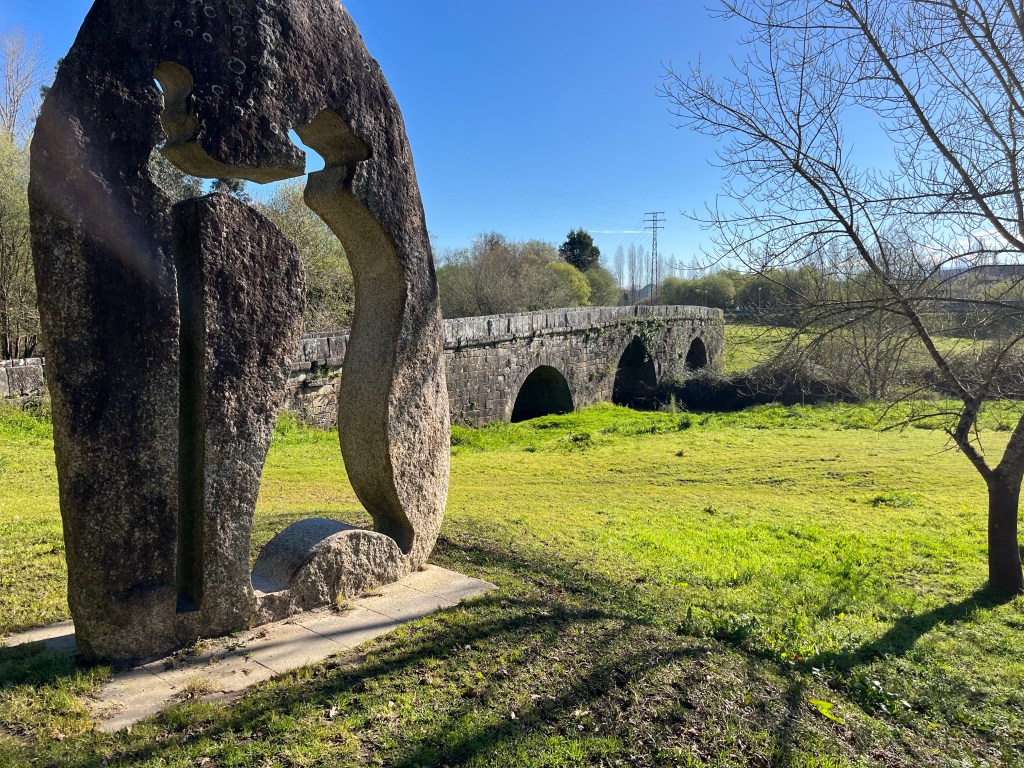
Statue at Parque Merendas Pedra Santa with Ponte Medieval do Louro in background

After a little while, he left us and where we had been enjoying a nice hike in nature, we were suddenly on the edge of a country road with infrequent but unnervingly fast traffic. This section may not have been that long, but it wasn’t pleasant so it seemed to last quite some time.

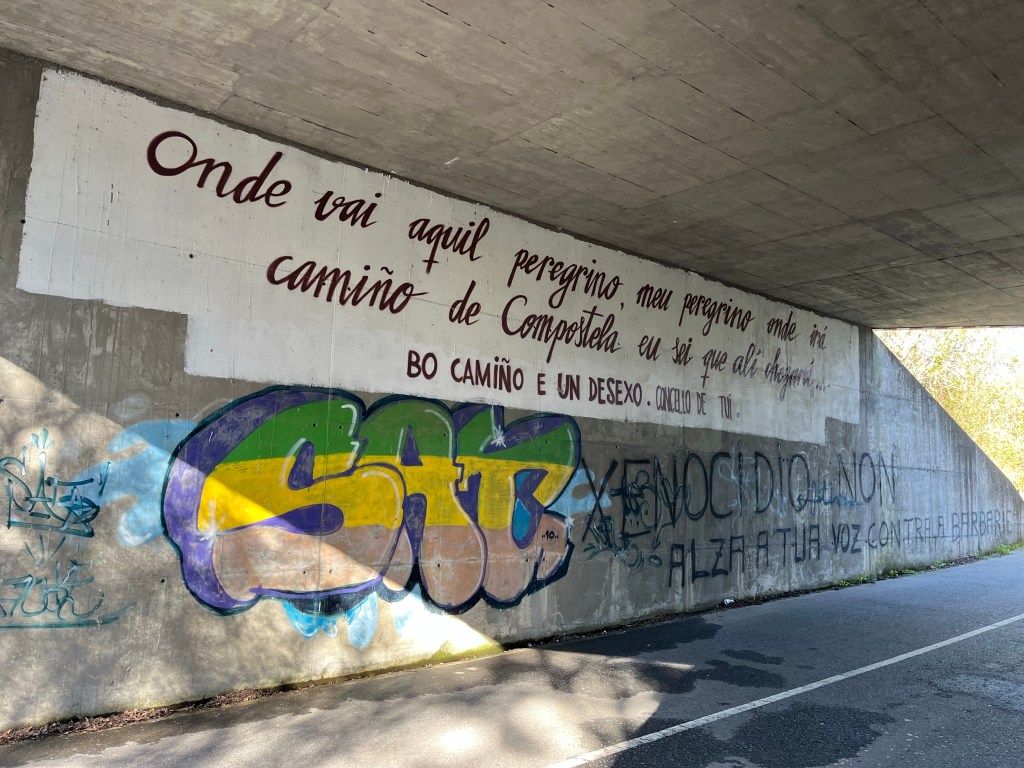
A mural on an underpass wishes pilgrims a good journey from the Municipality of Tui.

Along the road we were passed by a couple of young German women who made us feel like we were practically standing still. It was becoming clear that we were considerably slower than the other pilgrims along the route. Are we going to be able to do this? Are we in good enough shape to pull this off? The doubts were already creeping into our heads.

Wooded path before our first stop or Ponte das Febres.

This is also where the weight of the pack started to bother me. We all were struggling with trying to navigate new equipment. This was the first time doing a long hike. The weight from the pack is supposed to sit on my hips, but was instead resting on my shoulders too much. We all did some equipment adjustments and while the pack didn’t seem quite right, it did seem better.

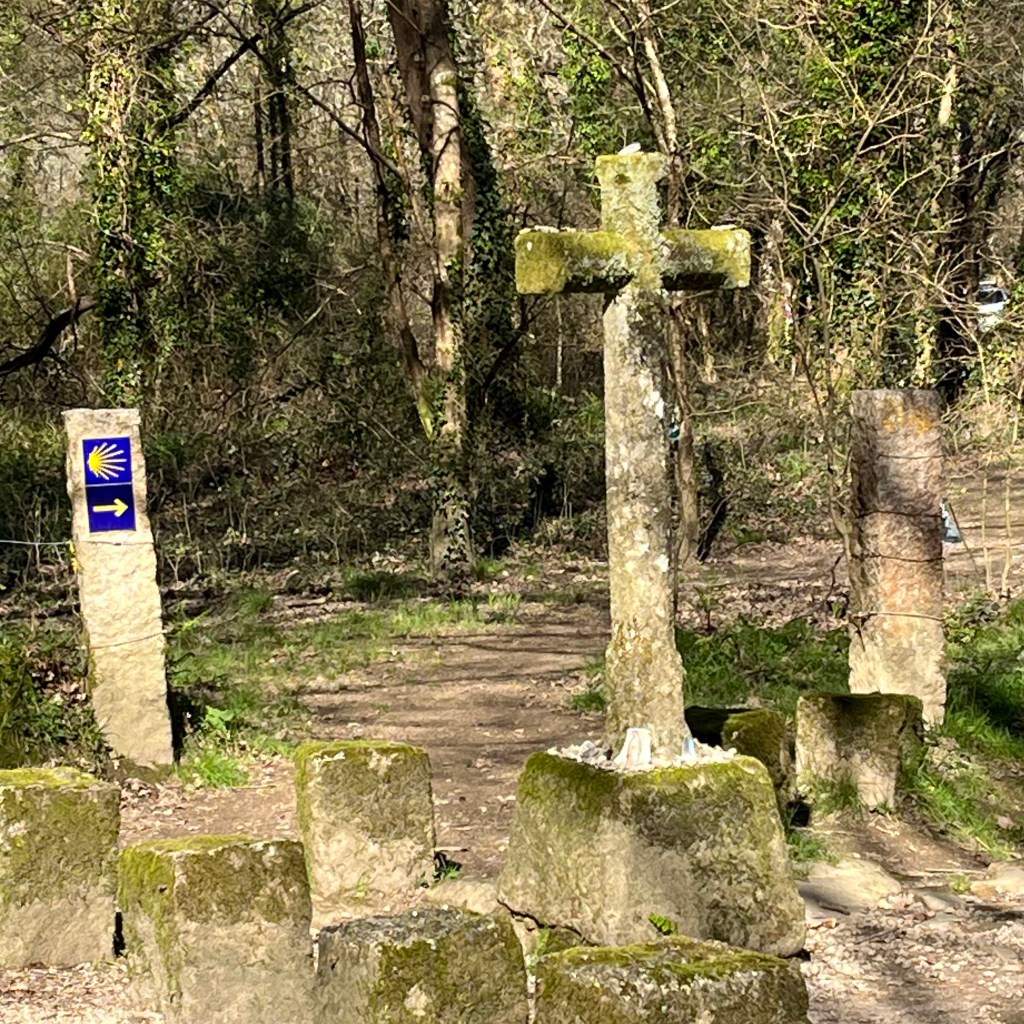
There are a lot of stone crosses along the Camino.

It seemed like forever before we were able to make our first stop of the day. It was about 7.5 miles along the route and we came by Ponte des Febres, a really cute cafe and albergue. We were greeted with “Oh no, it’s the bloody Americans!” We looked up to see the English gentleman sitting at a table, the two German women at another, and both guys from our albergue the night before.

Spanish Tortilla from Ponte des Febres

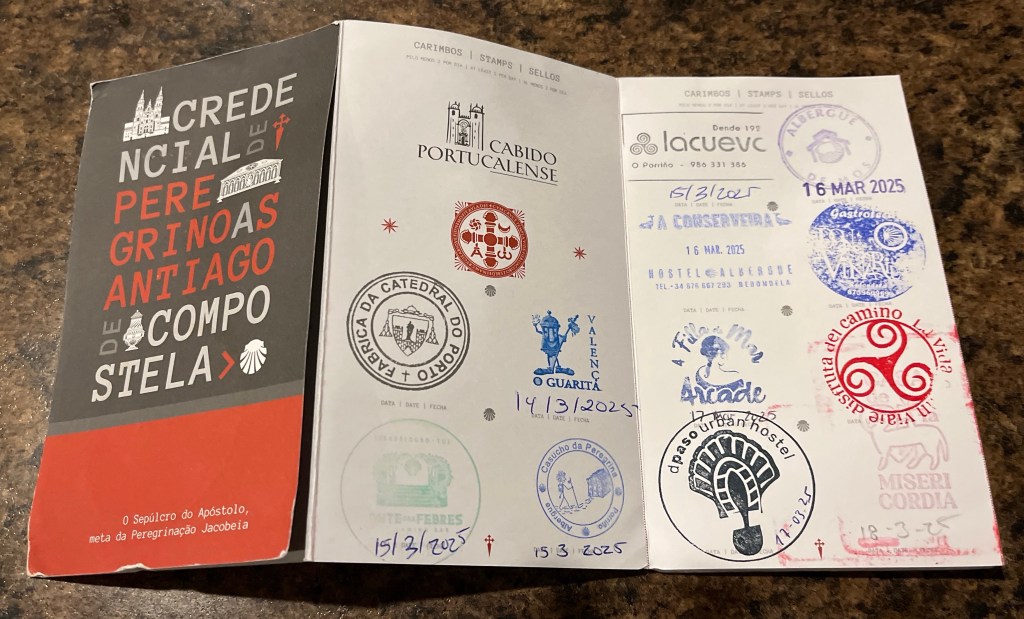
We ordered croissants and Spanish Tortilla as well as some cafés con leche. We also got our first stamp in our pilgrim passport.

Pilgrim Passport

The Pilgrim passport is a book that each pilgrim carries with them to prove that they are on the Camino. Without it, you may not get admission to an albergue. Also, if you complete a 100-kilometer pilgrimage ending in Santiago de Compostela, you are awarded a certificate. You need at least two stamps per day to qualify.

Wall near Orbanlle

From there we went to Orbanlle where we had the opportunity to choose between a more direct route through an industrial area or a more scenic route through the country. There are routes like this one on many days, they are called complementary routes.

Complimentary route marker

That turned out to be a pretty good choice because that was a pretty relaxing route to take. Most of it was out in the country, but it did wind through a lot of small towns along the way.

Pathway along a creek on the complimentary route

Getting really tired by this point we came across San Campio, a bar and restaurant that clearly is a favorite of locals, but also caters to pilgrims. Everyone but Alex had a beer and I ordered a giant bottle of water for the table. We also shared three sandwiches and a big plate of fries. It hit the spot and gave us enough energy to finish our trek to O Porrino.

Enjoying a beer at San Campio

From San Campio to our Hostel in O Porrino was about 2.5 miles and honestly most of it wasn’t very scenic, but it felt good to finish the hike. We arrived at Casucho de Peregrina, which is a nice hostel. We paid extra to have our bunks in a private room with only 4 beds. As it turned out, that was pretty unnecessary, because there was only one other pilgrim sleeping in the hostel.

While we were getting our stuff settled in our private room, I heard a familiar voice. It was the English gentleman we met earlier on the trail. It was nice to see a friendly face. Being the only other pilgrim in the hostel, he ended up sleeping in a large room full of bunks all by himself.

It had been a challenging day and I was already beginning to question whether doing a Camino was a smart way to spend a family vacation. I underestimated how much of a physical challenge this was going to be and both hoped we would finish and that we would be able to actually enjoy it.

The accommodations at the hostel were very comfortable and after a little dinner we were out cold. I guess 15 miles of hiking will do that to you.