
There is a socially accepted form of beauty that we are all familiar with. Flawless skin, a wrinkle-free face, athletic body, the kind of beauty we see on the cover of Vogue magazine.
As I approach 50, I understand now that’s not true beauty. Real beauty has grit, personality, life experience. Life experience, however, has a price. That’s why true beauty has cellulite, laugh lines, scars and maybe a fading tattoo. True beauty also comes with kind eyes and a loving heart.
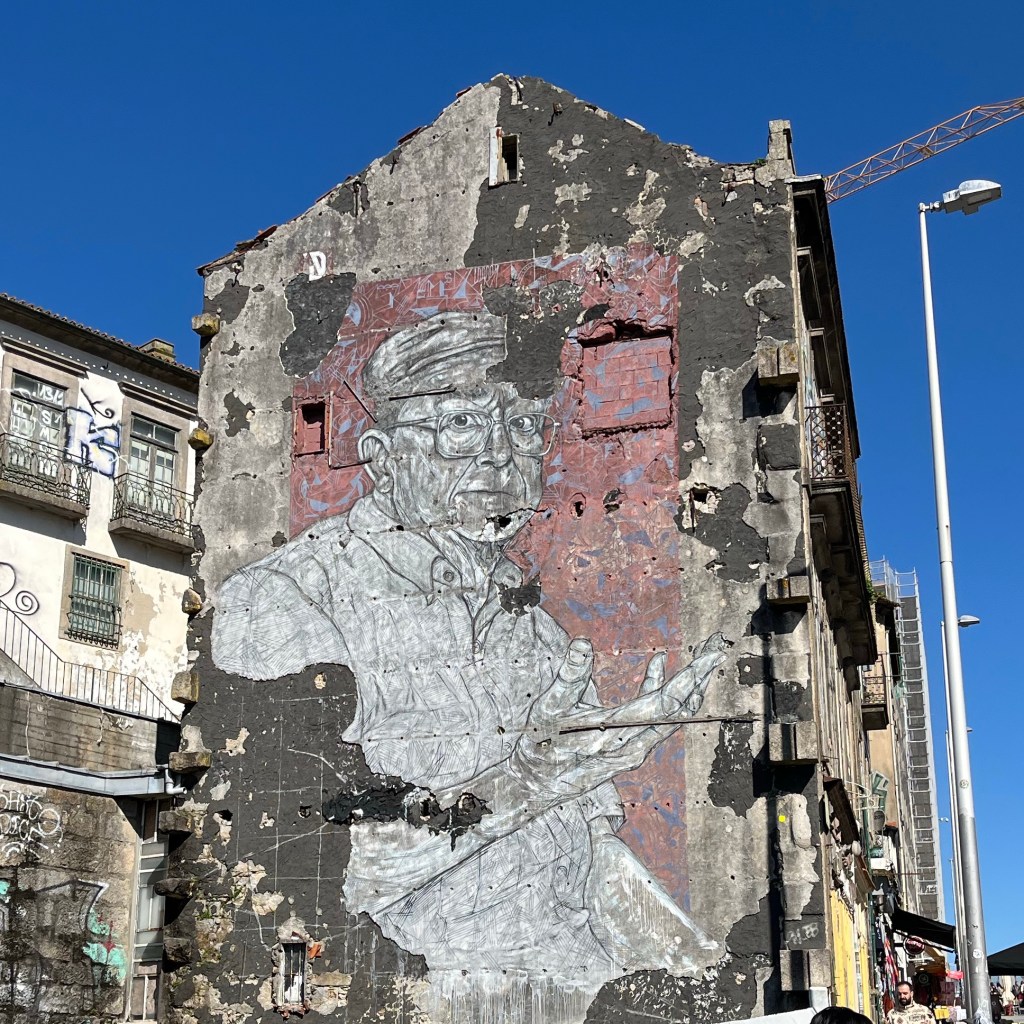
For years now, I’ve heard people gush about how much they love Porto. I would look at photos and not understand the hype. Sure there were clearly beautiful things in the photos. But nothing to me seemed exceptional – why does everyone love Porto so much?

We decided to spend our Spring Break walking the Portuguese route of the Camino de Santiago, but we only had a week, so we decided to start in Valenca, Portugal. Valenca is located along the Minho River which serves as the border between Spain and Portugal. That meant that we needed to fly into Porto and take the train to Valenca from Porto.

This gave us the golden opportunity to brush off our jet lag in Porto and spend one evening there. To be fair, I wasn’t that excited about it. I assumed it would be nice, but other than going to the Cathedral to pick up our pilgrim passport for the Camino, I didn’t have anything planned.

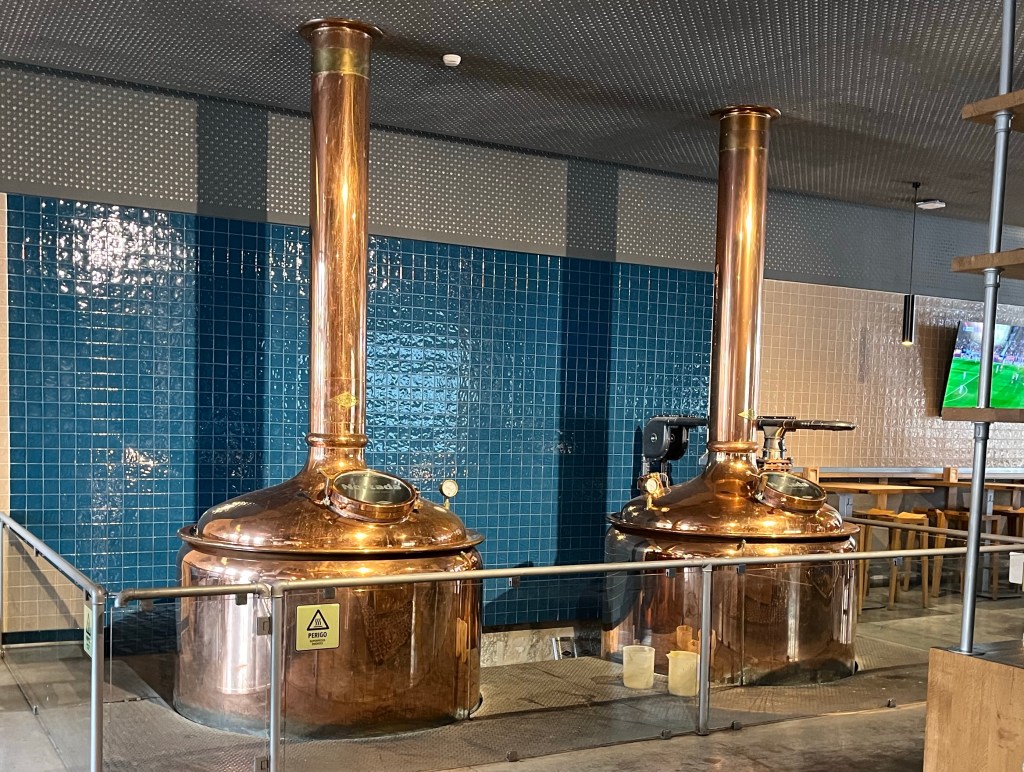
Once we got to our hotel, we were able to drop off our stuff and head out. We stopped into Cervejaria Nortada, a brewery near our hotel. We had a couple of drinks and a snack. Our server could tell we were struggling with the Portuguese menu and even though we insisted we could figure it out, he took the time to explain some of his favorite dishes. He was our first experience with Portuguese hospitality.
From there we walked to the Cathedral for our Camino passports. Along the way, I noticed a combination of beautiful buildings and buildings in decay. Shells of buildings without roofs and graffiti are common even in the center of the city. In Porto, when a building falls into disrepair, the exterior remains in place, even if the rest of the building has completely disintegrated. By not demolishing the building, the city keeps it’s historic blockfaces intact, even if it has clearly deteriorated inside of the shell.

Graffiti is common in Porto. In general, graffiti isn’t uncommon in Europe, but sometimes, as Americans, it seems unfathomable that people would deface buildings that are centuries old. Graffiti is an artform like tattoo, where some are clearly horrible while others are fine works of art. Like tattoo, it is also polarizing, because some people love the artform and others find it vulgar.

There is evidence of a renaissance of sorts in Porto. There are cranes everywhere as old buildings undergo renovations. The city is renewing itself as people look to transform those decaying properties into vibrant rehabs. Porto, like Lisbon and the Algarve, have become hot spots for middle and upper class immigrants from the European Union and the United States, so the need to provide housing for the new immigrant class likely is responsible for many of the rehabs.
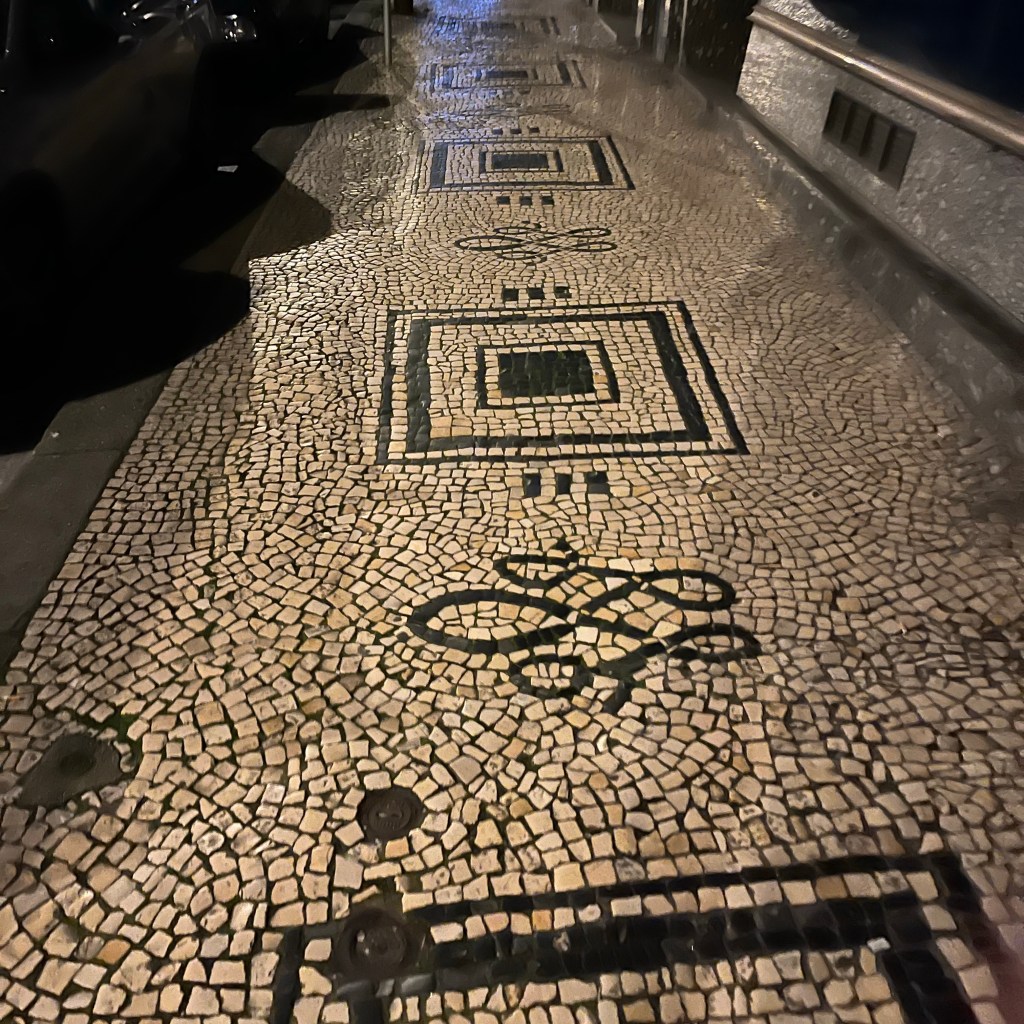
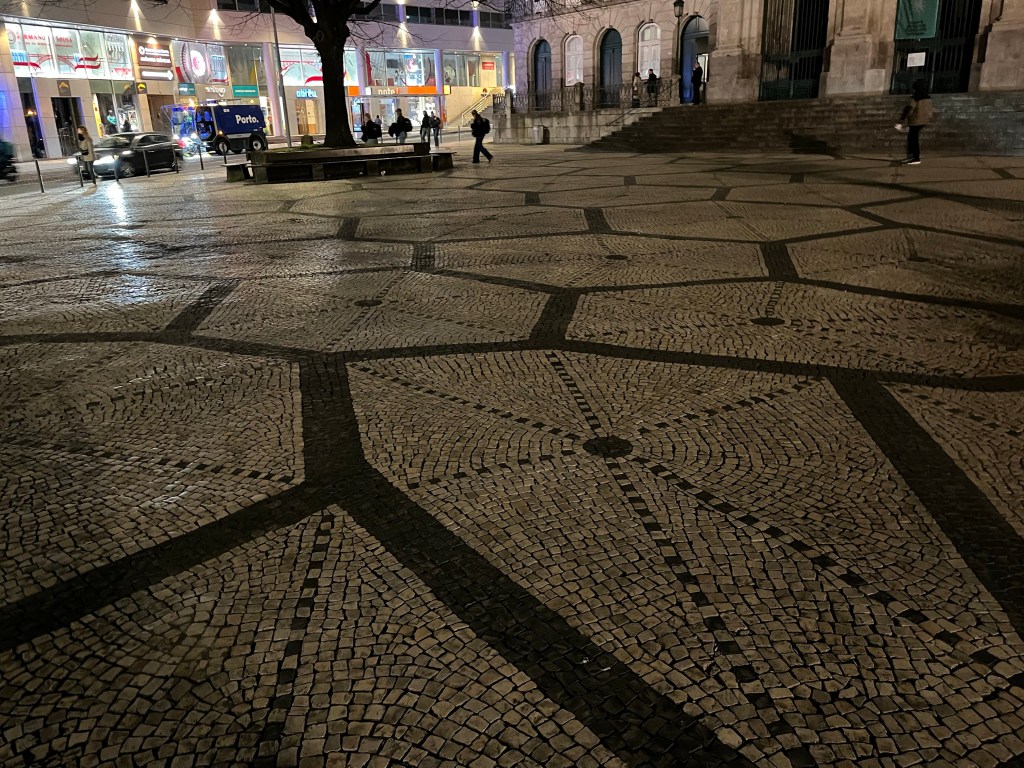
The character of the city remains, however. Mosaic black and white stonework turn sidewalks and plazas into works of art. They are absolutely stunning and it’s almost impossible to imagine how much work went into building the miles and miles of mosaic walkways.
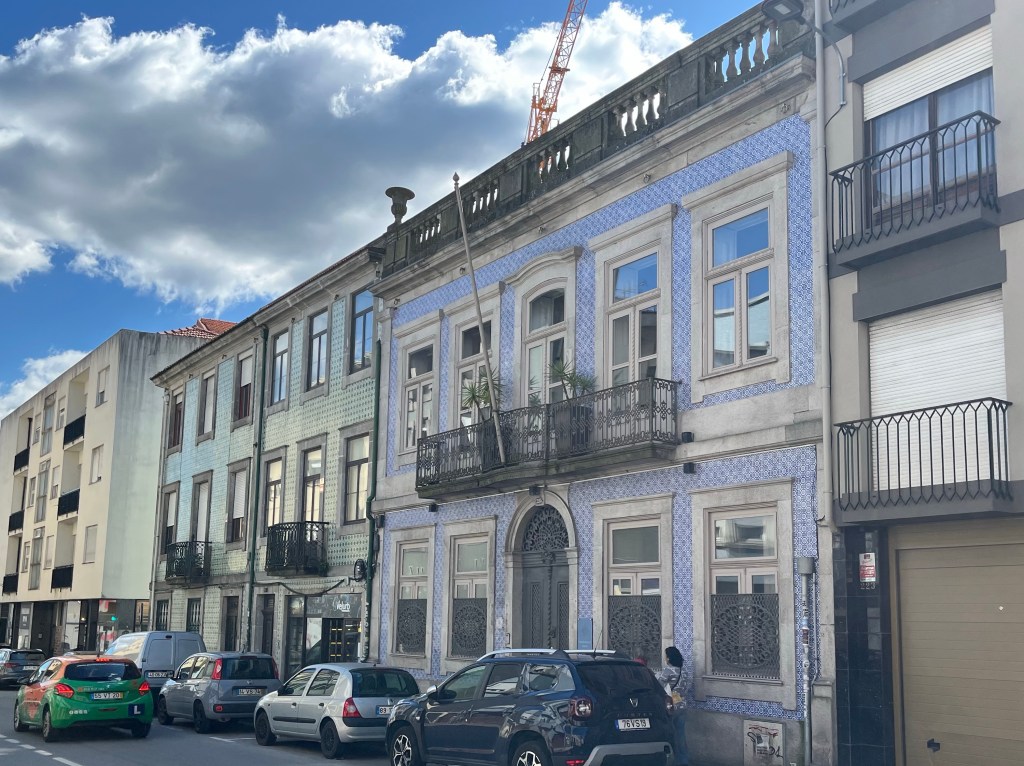
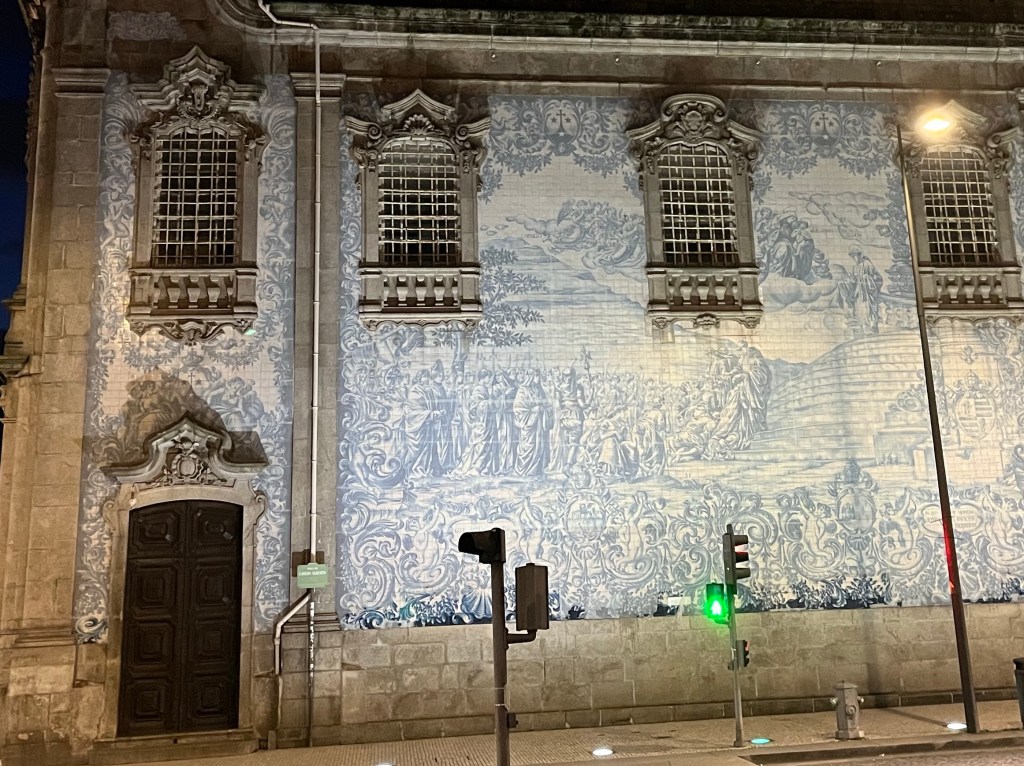
Another defining feature of Porto is exterior tiled walls. The Portuguese began to use tile on the exterior of the homes in the 1800’s, not only for their aesthetics, but also because they are fire retardant and help regulate temperature. You will find anything on the exterior walls from highly artistic tiles to subway tiles.
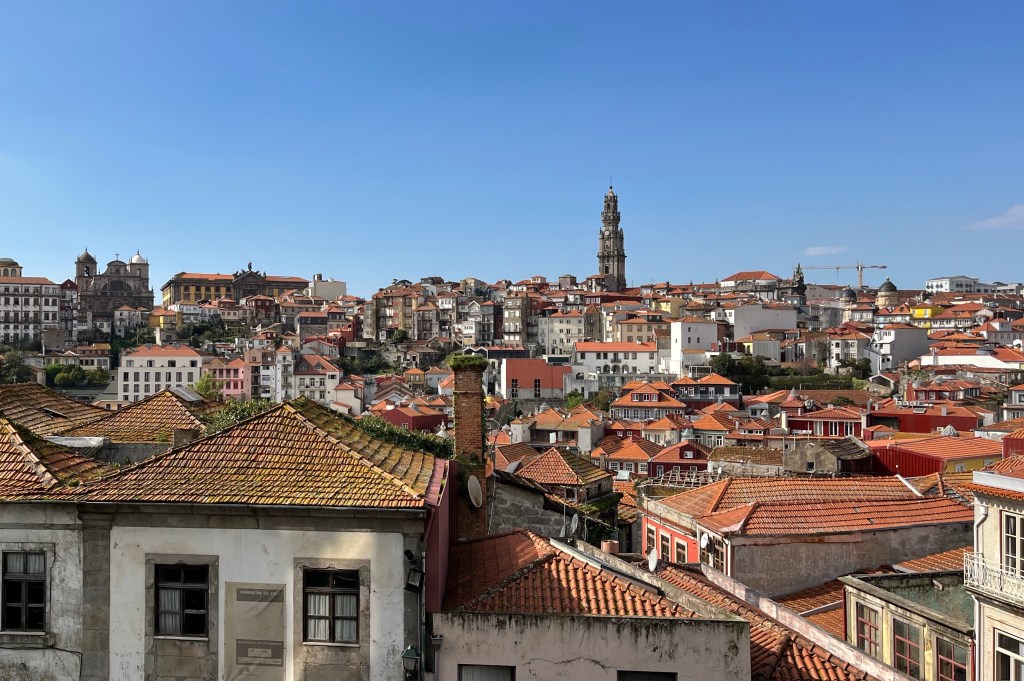
Porto does have its moments that take your breath away. The Cathedral is located high on a hill near the Douro River and from the plaza, you can see a large portion of the city as beautiful churches and bell towers emerge over red tiled roofs for square miles.
The Cathedral itself is a beautiful example of a 12th Century cathedral. It’s one of many beautiful houses of worship we came across while in Porto, including the Igreja do Carmo and the Church of the Lord of Bonfim.

After a long night of sleep, we walked on Dom Luis bridge, where the views of the Douro River are stunning. The bridge is at a dizzying height over river which provides long views along the river in two directions.

Off in the distance from the Dom Luis bridge is Maria Pía bridge, which was designed by Gustave Eiffel, best known for the design of the Eiffel Tower. Both of these bridges are stunning metal bridges that only enhance the Douro River’s beauty.

During our short time in Porto, I noticed something you don’t see in crowded cities – patience. People make way for other people while walking on the sidewalk. When we struggled with the language barrier, people were understanding and patient. No matter what building we walked into, we never felt out of place or unwanted. The people are just genuinely kind.
The general vibe of the city is relaxed. People weren’t trying to run past you to get to the next crosswalk, It also wasn’t excessively noisy. People just seemed to genuinely enjoy their day.

On our way to the train station, leaving town we stopped at a bar where there clearly were regulars drinking coffee and beer, playing cards. Nobody spoke English well. They weren’t annoyed by these four Americans and their giant backpacks taking up space in their bar. The bartender took his time to figure out what we wanted and allowed us to enjoy our drinks. They were all demonstrating kindness, patience, and tolerance. Isn’t that what this world needs more of today? What can be more beautiful than that?
 Newby to Expert Traveler