The Palmetum In Santa Cruz de Tenerife

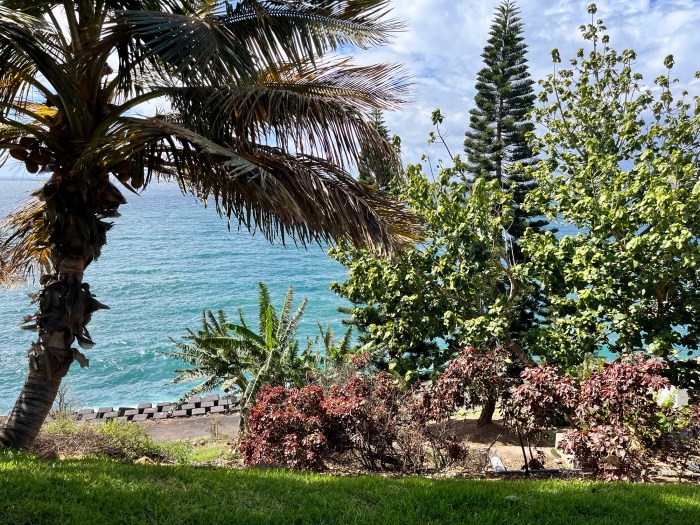
The Palmetum is a botanical garden on a hillside overlooking the Atlantic Ocean in Santa Cruz de Tenerife. It sits atop an artificial hill more than 100 feet tall on the site of an old landfill, which was closed in 1983. It is now a beautiful garden and a great example of how to reuse a brownfield site.
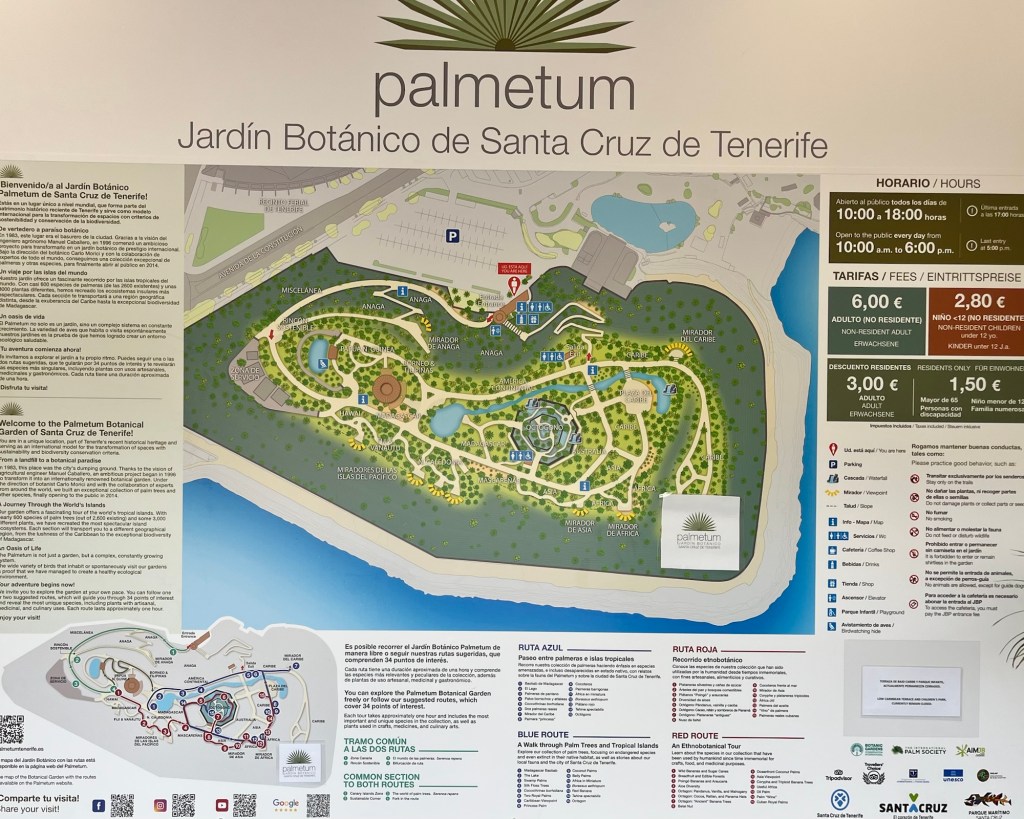
Palmetum Park Map

In the mid 1990s, the idea to build a botanical center on the old landfill formed. From 1997 through 2014, plants were cultivated, and the park was slowly built. The park was split into sections based on their geographical origin. Many of the plants gained maturity while the facility struggled with funding over that time. While they patiently awaited funding, over 400 species of palm trees were growing on the hill.

In 2010, the plan to open the park to the public began and signage, restrooms and a visitor center were built. Lights, paths, and squares were built to complete the project. Finally, in January 2014, Spain’s Prince Felipe and Princess Letizia inaugurated the site and the doors were opened to the public.

The Palmetum was part of a larger transformation of the waterfront in Santa Cruz de Tenerife. The dramatic Auditorio de Tenerife is an amazing example of modern architecture, with its striking, fluid, wave-like concrete design. Construction began in 1997, and it opened in 2003. The Parque Marítimo César Manrique, a waterpark that lies between the Auditorio and the Palmetum, was opened in 1995.
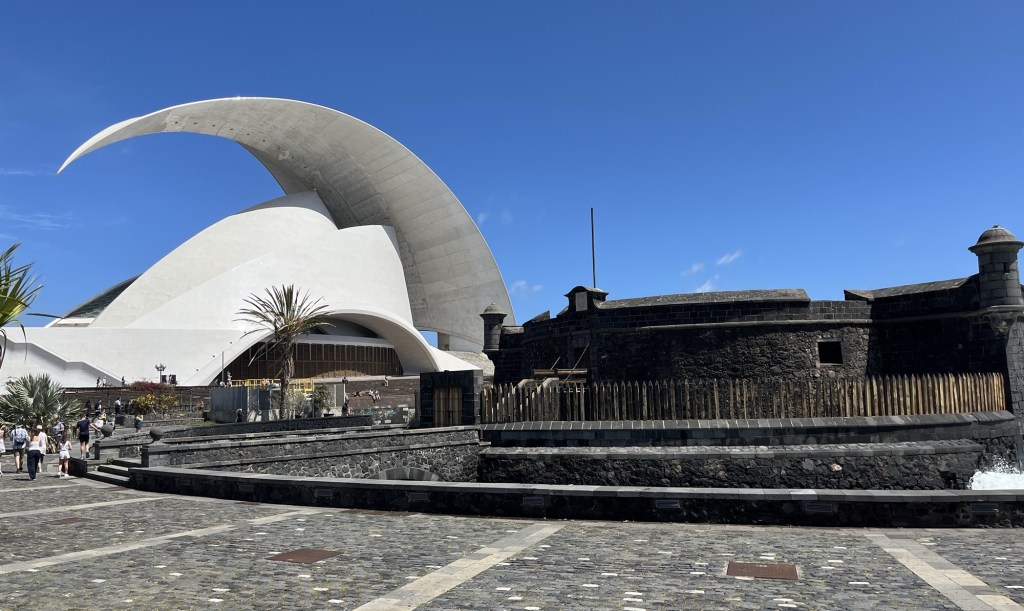
Castillo de San Juan Bautista in the foreground and the Auditorio de Tenerife in the background

These construction projects filled in an area which also had some beautiful historic buildings, including the Casa de la Pólvora, a gunpowder warehouse built in the mid 1700s, and the Castillo de San Juan Bautista, a circular fortress surrounded by the ocean, from the 1600s. All of this makes walking along the recreational path on the Santa Cruz de Tenerife waterfront a beautiful experience.
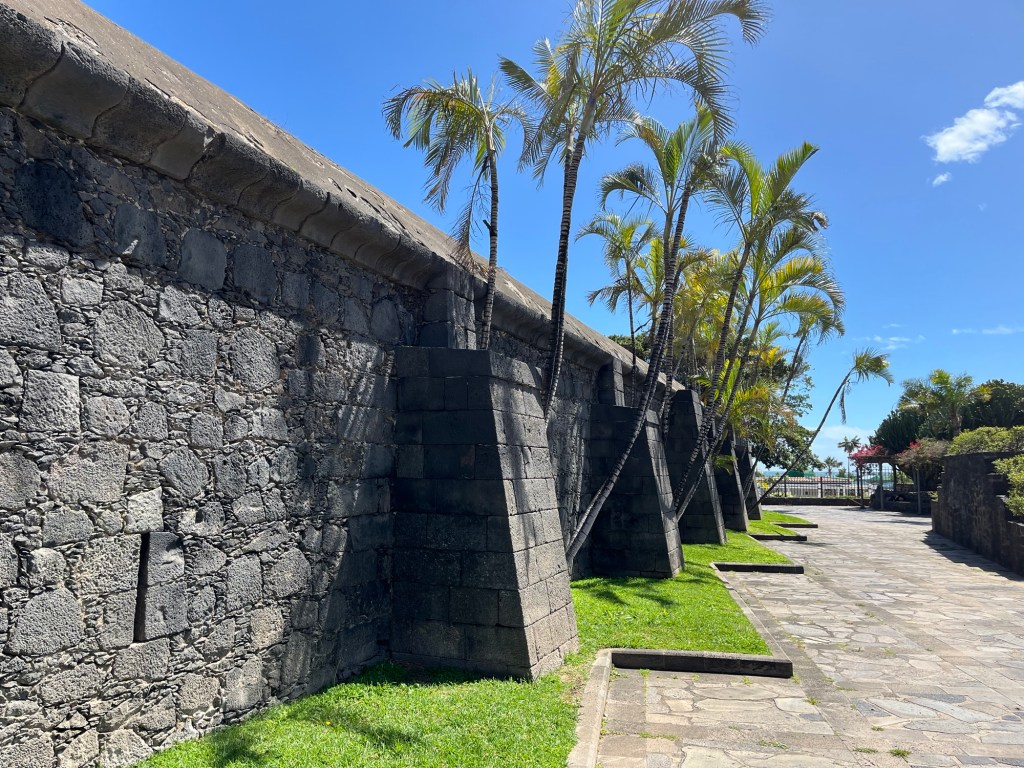
Palm trees grow from the base of Casa de la Pólvora

When we showed up at the gates of the Palmetum, I didn’t know it was an old landfill. So much of the area around Santa Cruz de Tenerife has dramatic hills, that it seemed to be a natural formation. There was plenty of parking available in the lot in front of the Palmetum, so we just needed to pull in and walk up to the gift shop.

The gift shop itself isn’t terribly large; there were some tchotchkes and t-shirts, but most importantly, there was a bathroom and a gentleman there to collect our admission fees. For us non-residents, the admission fee was 6 euros each, which seemed like a fair price.
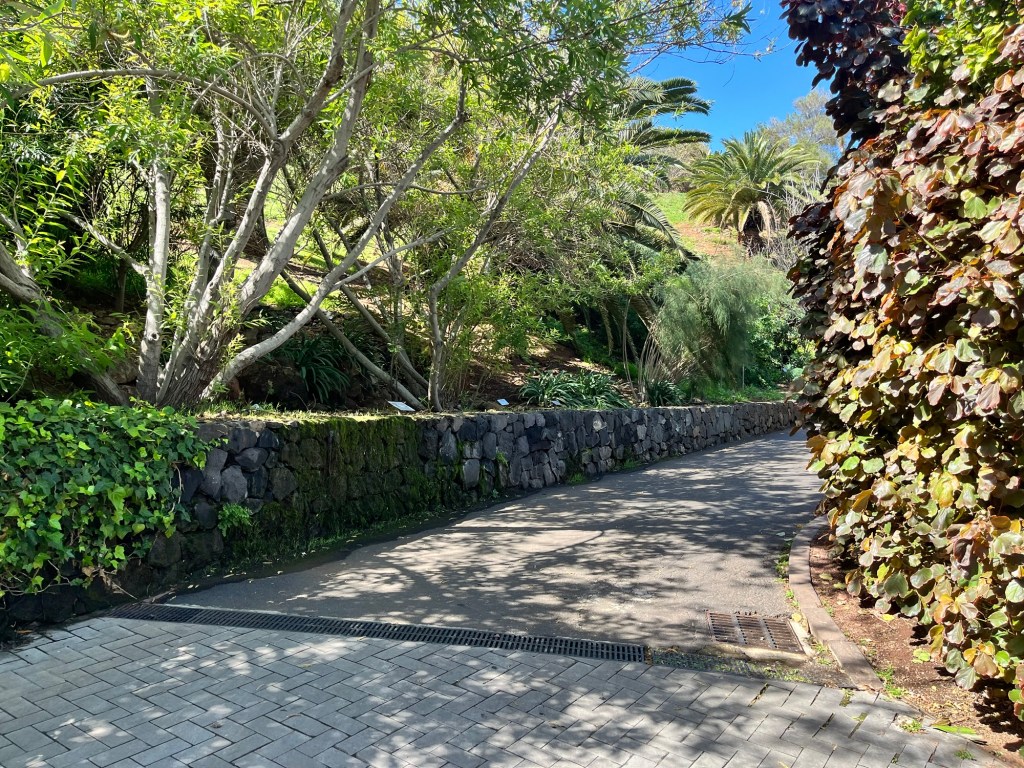
We left the gift shop and began to walk up a long, sloped path. On the left side was a short wall typical in Tenerife, built out of dark volcanic stones. As you might have guessed, the Palmetum is a botanical center that specializes in varieties of palm trees. While this may not seem as exciting to folks who live in Tenerife or other places where palm trees are plentiful, for us Midwesterners who spend an inordinate amount of time staring at corn, this was a nice change.
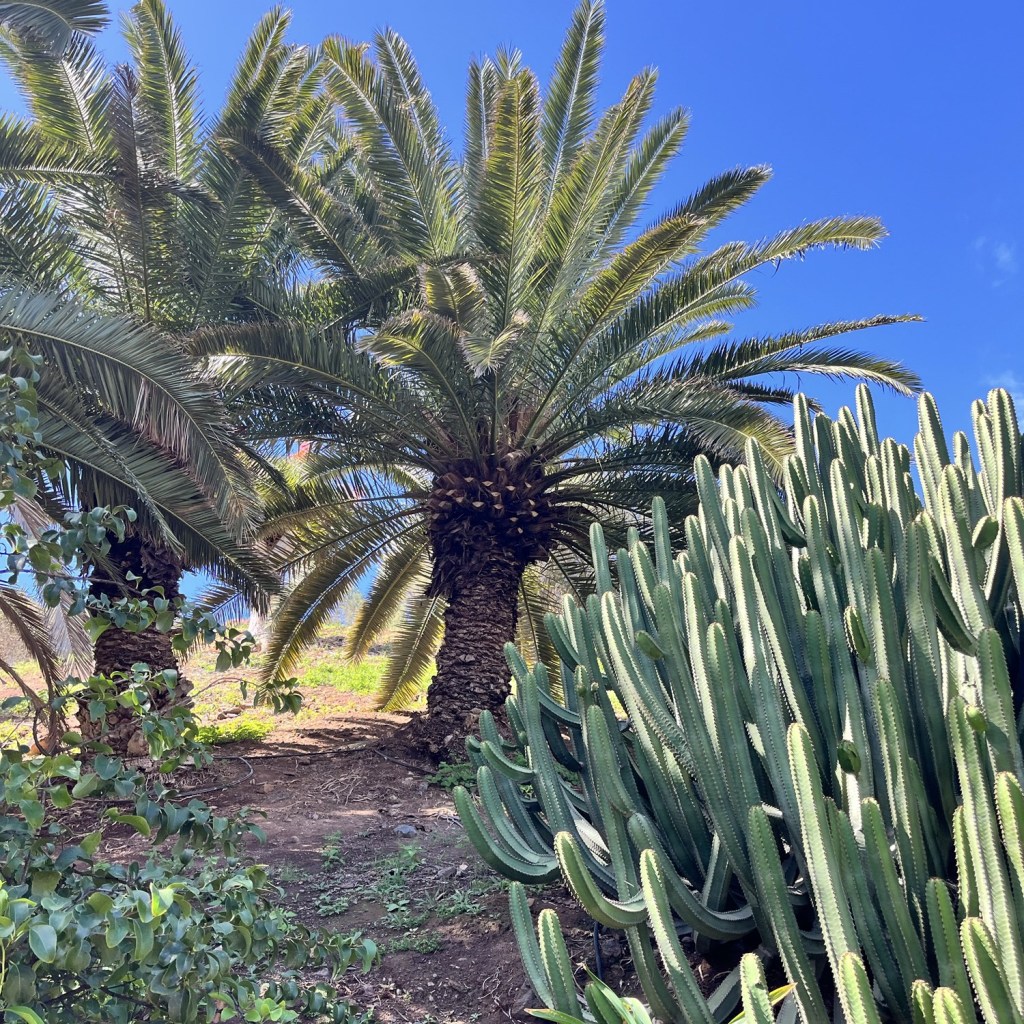
Along the slope after the entrance are plants and palm trees native to the Canary Islands.

The space between the visitor center and the top of the hill is the area that is devoted to plants from Tenerife. Since Tenerife is somewhat dry, there is a combination of palm trees and cacti. While walking up the slope, we would occasionally hear a faint scurry of tiny lizards as they went about their daily activities. Since Tenerife is an isolated island, there are no native species of mammals, except for bats. Except for domesticated animals, lizards, bats, and birds are probably the only fauna you will see in Tenerife.

Once we got to the top of the hill, the landscape flattened out. The majority of the botanical garden is at the top of this hill. The park itself is laid out by regions. The first section that we came across was Hawaii, followed by Fiji, Madagascar, and North Caledonia.
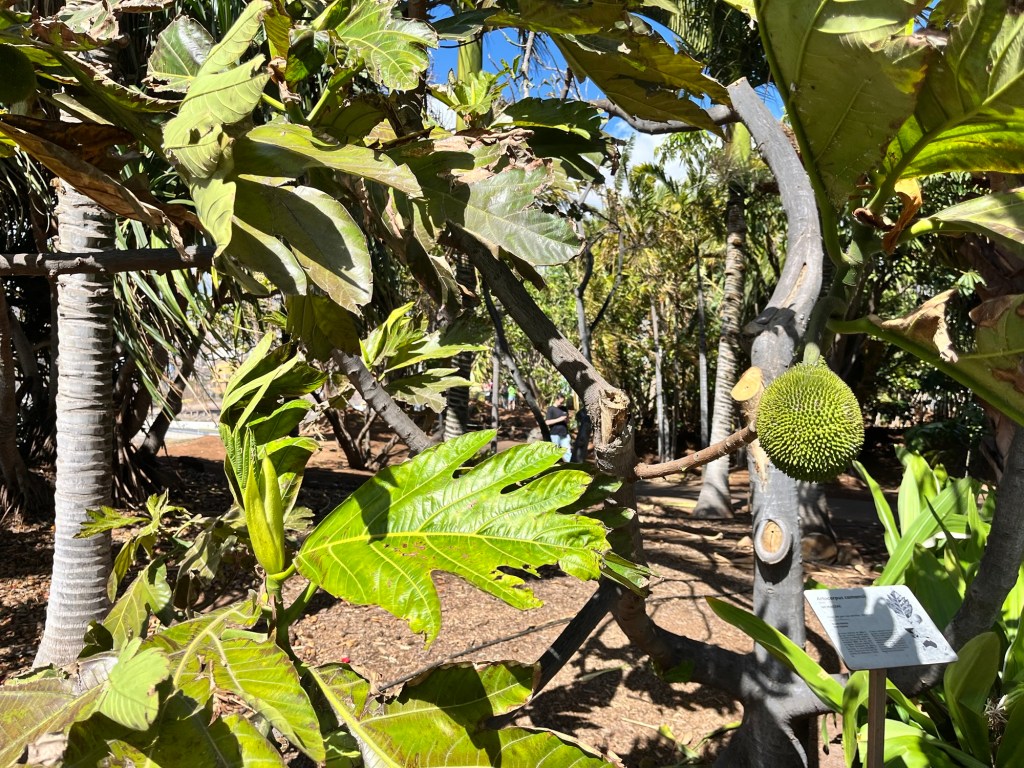
A breadfruit tree in the Fiji and Vanautu area

These exhibits are on the ocean side of the garden. In addition to all these amazing plants, there are tremendous ocean views from the top of the hill. I found myself staring out at the blue ocean water from this elevated vantage point often.
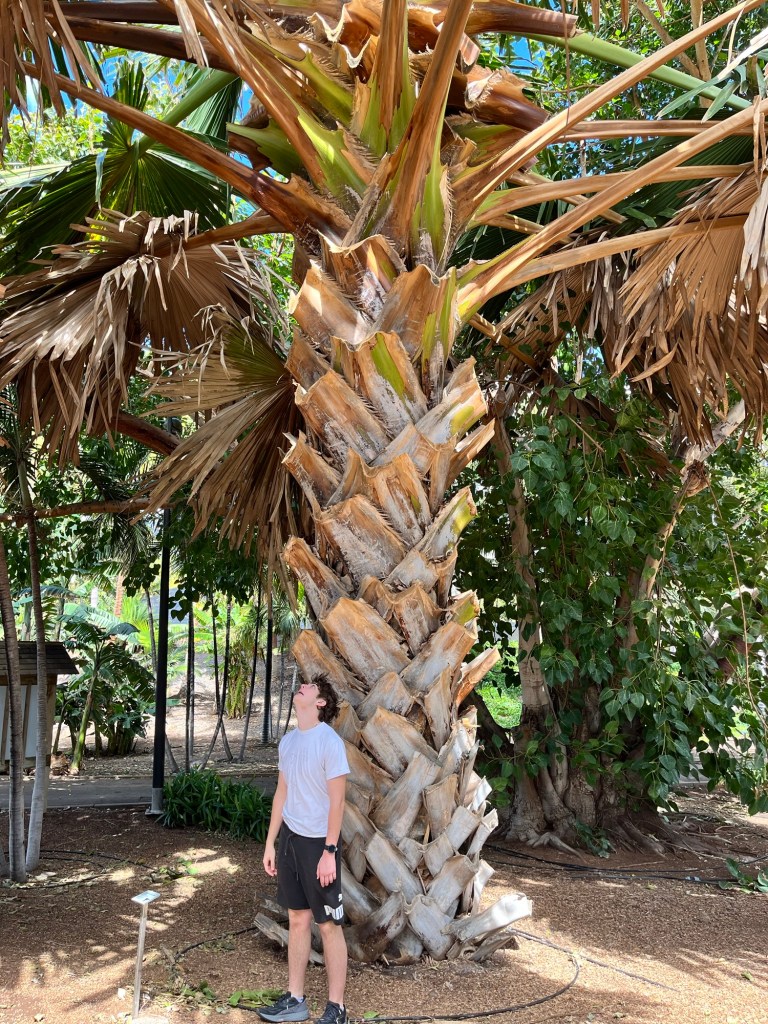
Giant palm tree in the Asia exhibit. Alex, for scale, is 6 feet tall.

As we followed along the edge facing the ocean, we walked into the Asia section. There, we came across a massive palm tree. I knew palm trees could get large, but this was an impressive size. It also demonstrated how different palm trees can be.
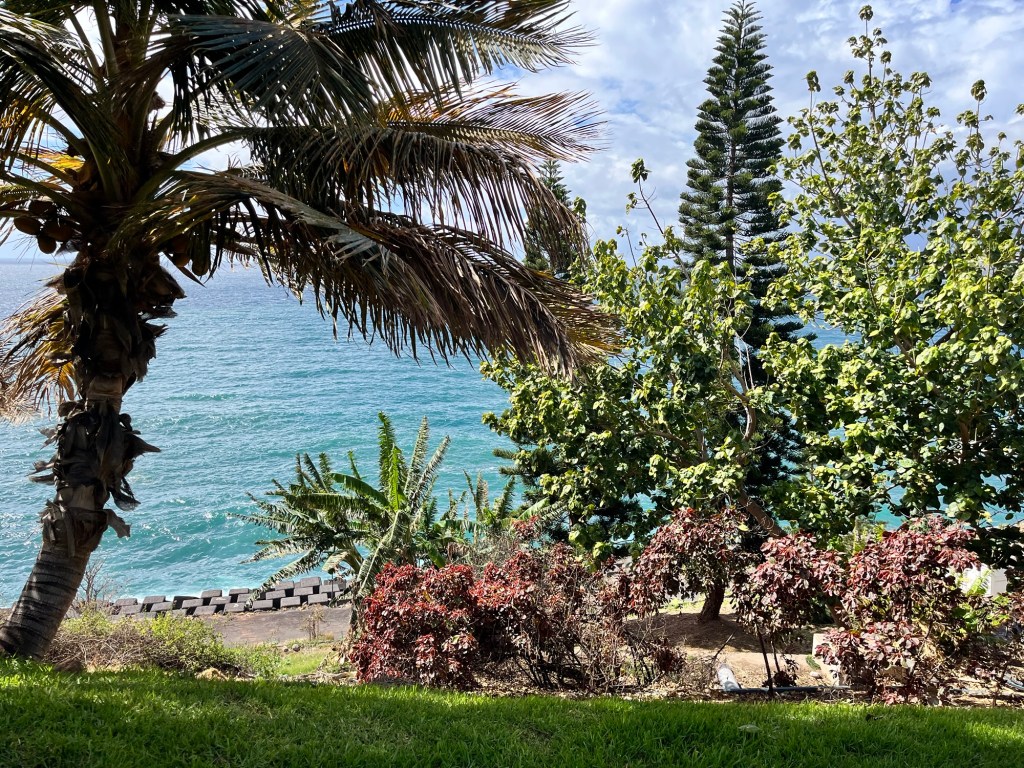
Views of the Atlantic Ocean from the Asia exhibit.

While the focus of this botanical garden is palm trees, there were also several unusual fruit trees and lots of flowers. There are also varieties of pine trees that I found to be unusual.
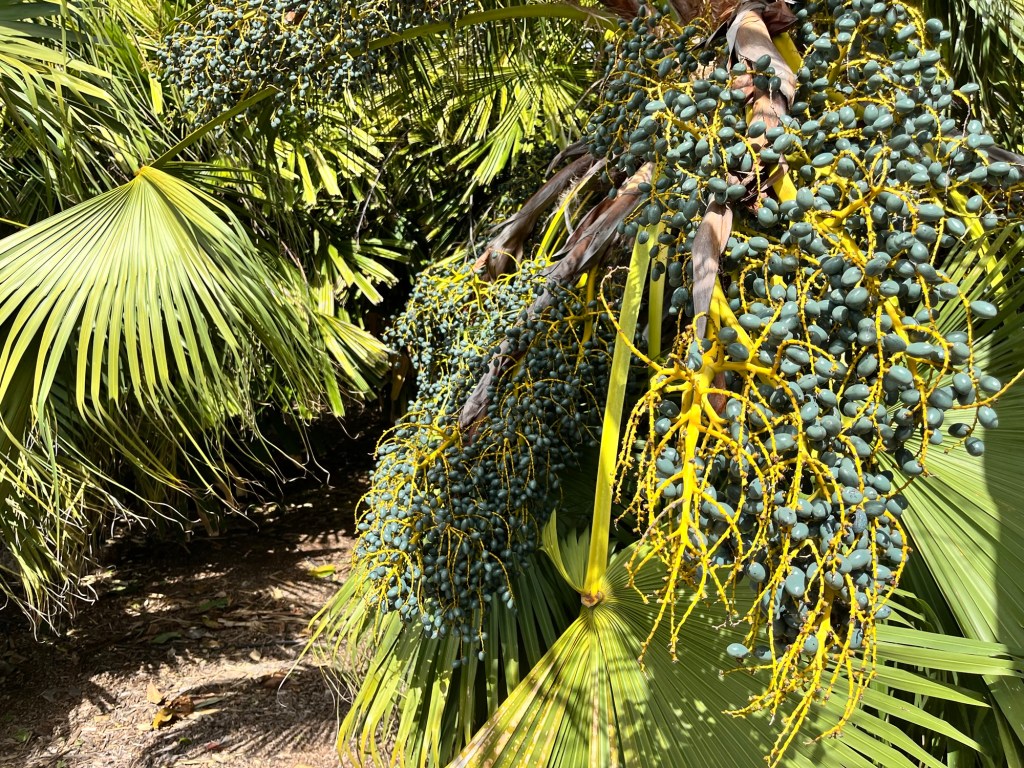
The Chinese Fan Palm bears blue fruit which are popular with birds

After walking around the park for a while, we stopped at a plaza that had a small food truck and grabbed some coffee, and then relaxed for a while. Nearby the plaza is a sign that helps identify the bird species that can be found at the park. We had a hard time seeing the birds, but they were definitely around because we heard them clearly.
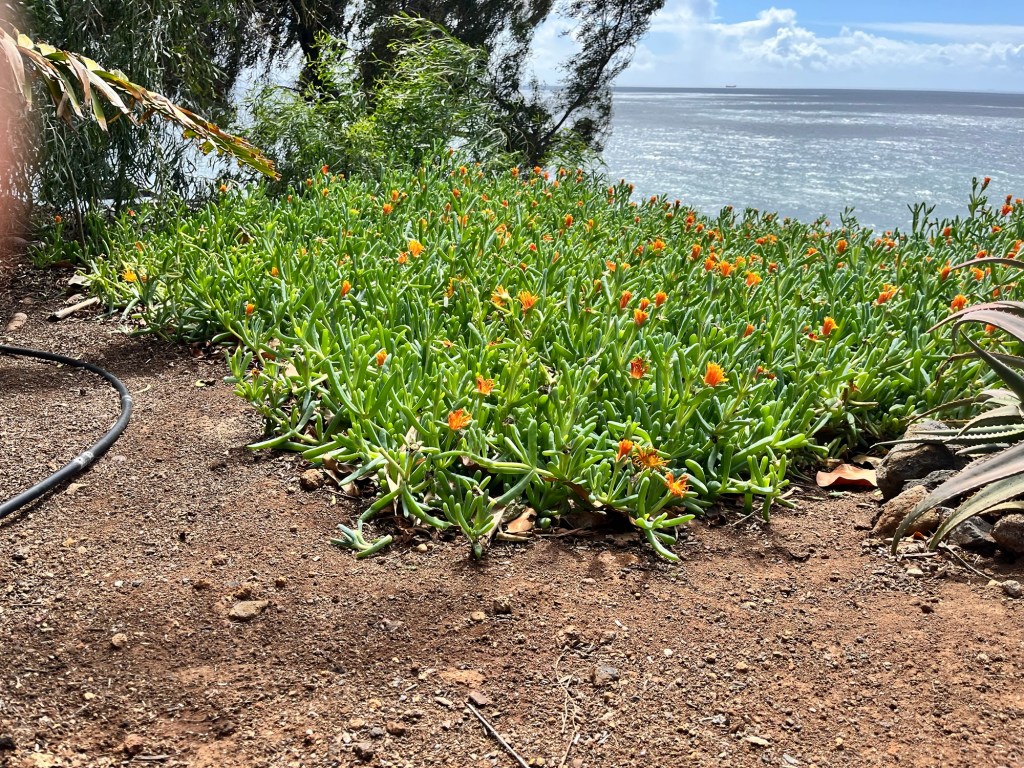
Flowering ground cover plants in the Africa exhibit.

The bird population at the Palmetum is a success story on its own. As the park has developed, the number and variety of birds have increased over time. The Canary Islands play a vital role in bird migratory routes, so the Palmetum provides a wonderful stopover for birds making that journey. A great resource for which birds can be found at the park is located here.
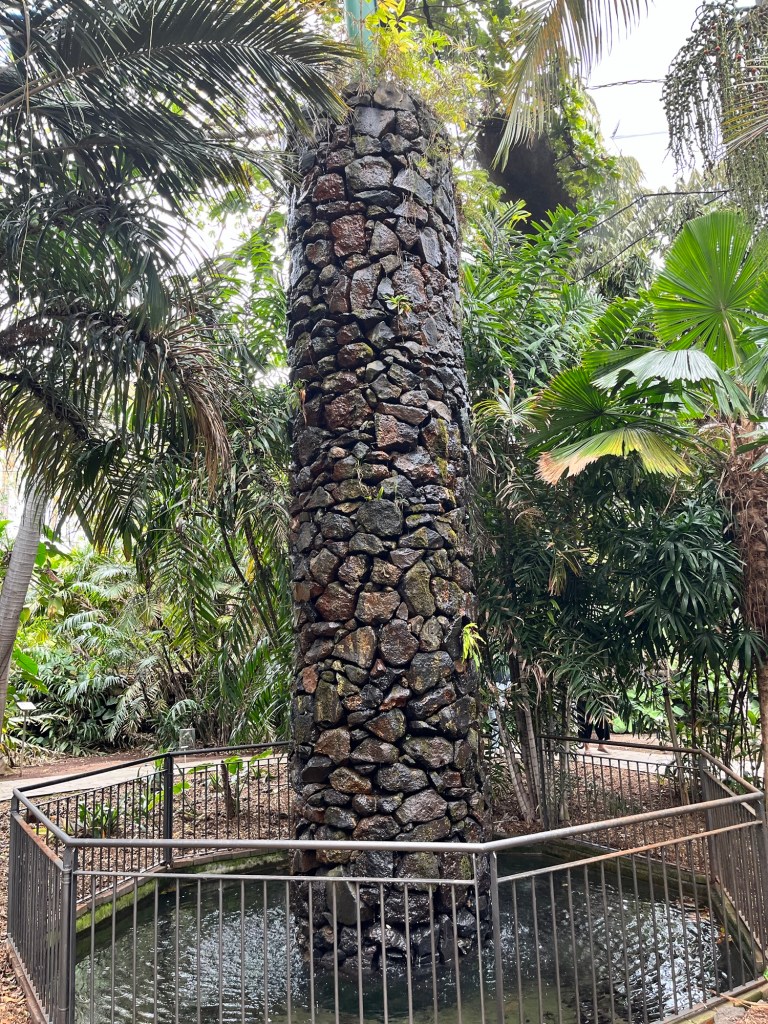
The center support post for the Octogono is clad with volcanic stone and is also a water feature.

After our break, we walked into the Octogono. A semi-enclosed area that helps protect more delecate plants. It has some small ponds and waterfalls inside of it. Much of it is made out of the same dark, volcanic rock that can be found all around the island. The Octogono is beautiful and is a great place to take a selfie or two.
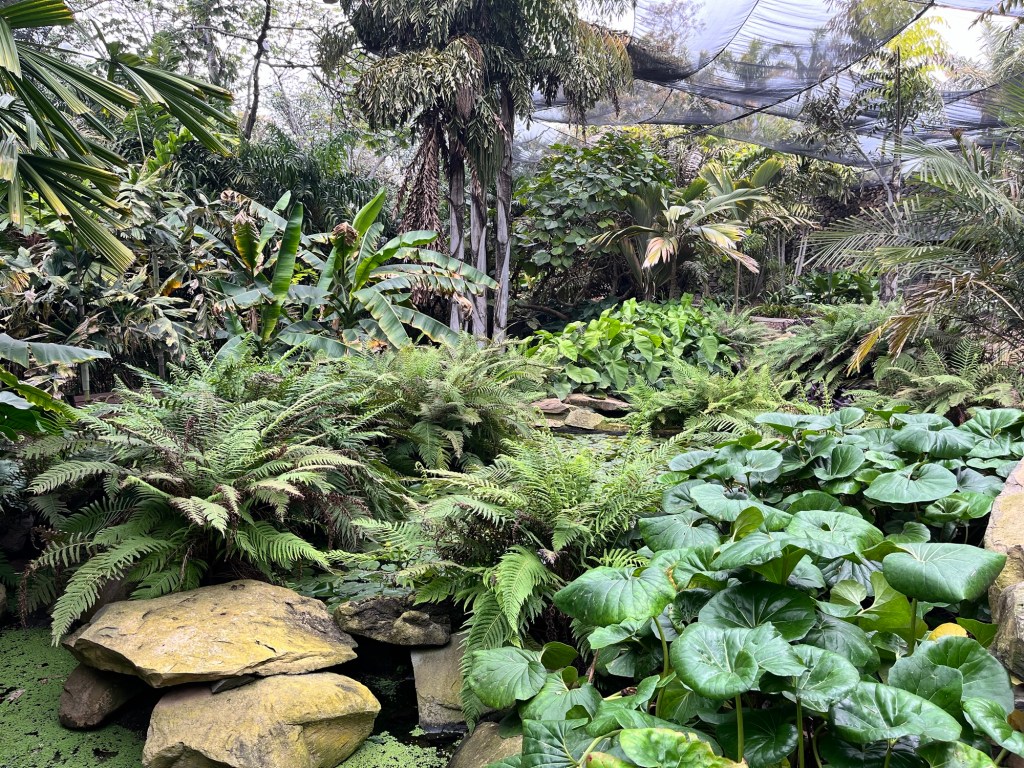
Plants inside the Octogono

Following the Octogono, we walked around to the pond, where we saw one lone duck wandering around the far side of the pond. There is a small structure with a bench inside of it, which looks like it is designed to allow viewers to see the birds while making it difficult for the birds to see the people. Unfortunately, for us, there was just the one lone duck, but I imagine that it can be a great place to hang around for a while.
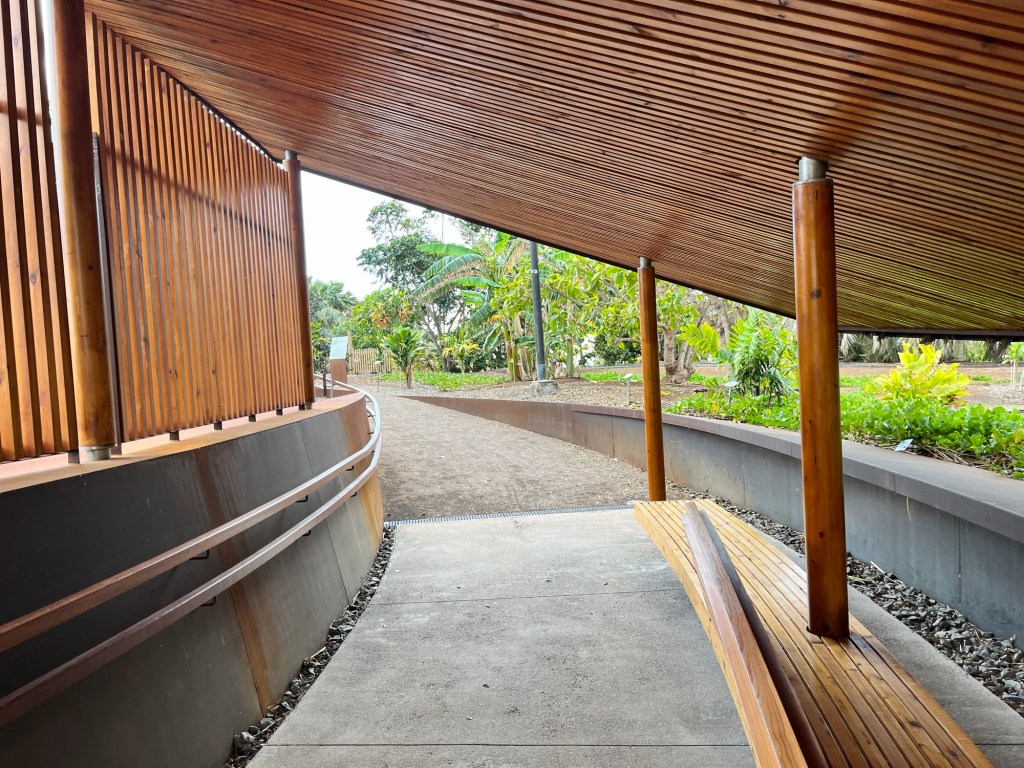
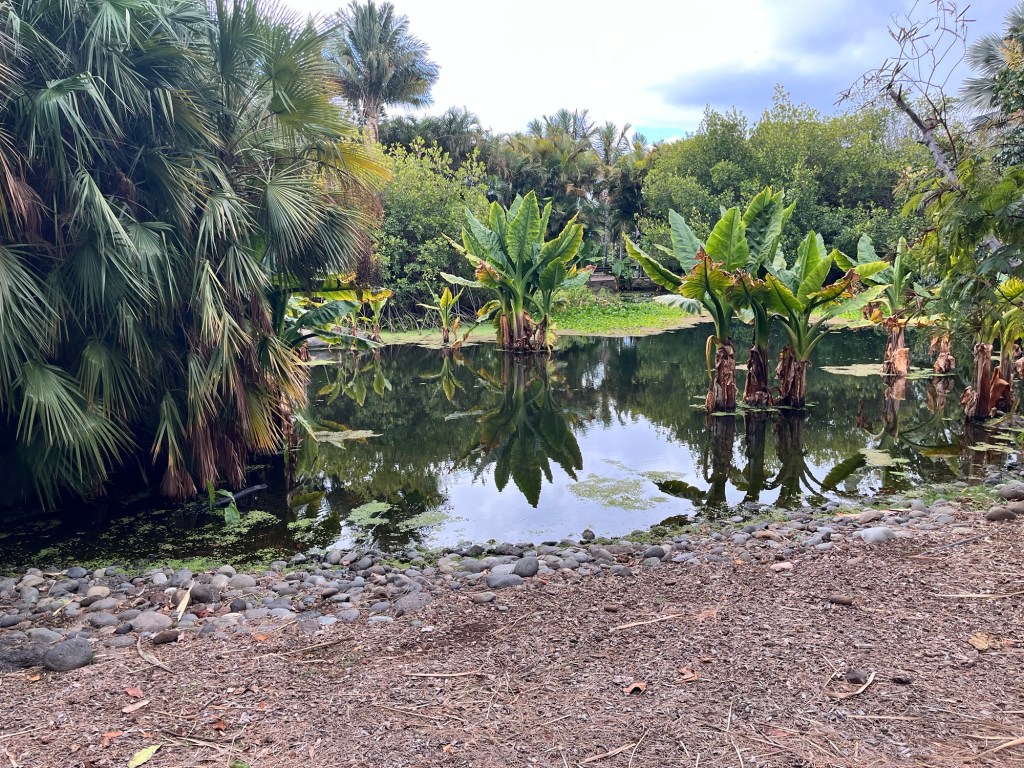
Viewing area for the pond intended for bird watching.
Pond in the Papua New Guinea section

Following the pond, we walked back down the sloped walkway back to then entrance of the park. The experience at the Palmetum was great. It’s not a huge botanical center, but it is definitely large enough to have some great diversity. Overall, we spent around an hour and a half there. It turned out to be a nice relaxing walk with the opportunity to learn a little bit about the plants and animals from around the world. It was well worth the trip and I would highly recommend a stop if you are in Santa Cruz de Tenerife.
Forget Destin – We’re Going to the Canary Islands for Spring Break

When our kids were younger, we used to do the typical Midwestern “I’m tired of the snow” Spring Break trips. This usually meant a 15-hour drive each way so that we could rent an Airbnb somewhere along the Gulf of Mexico between Gulf Shores, Alabama, and Destin, Florida. Every year, it seemed like these vacation rentals would get more expensive, the beaches more crowded, and the trips overall became less and less enjoyable.

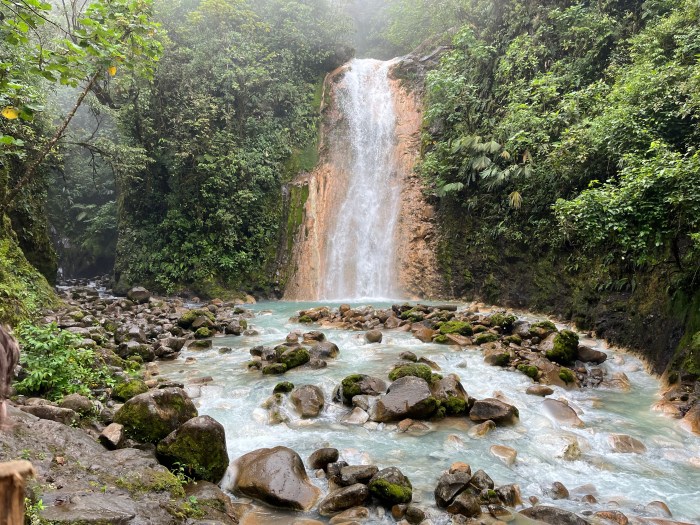
After four years of doing that, I was bored with the same old Spring Break trips. When we got into points and miles, I started looking for more exotic ways of spending Spring Break. A couple of years ago, we took a trip to Costa Rica, where we rented a house near Grecia, a fairly small community in the Central Valley more known for agriculture than tourism. We spent the week hiking to waterfalls and on volcanoes and eating local cuisine.

One of the seven falls at the Blue Falls of Costa Rica

This year, for Spring Break, we went to Spain and Portugal to hike the Portuguese route of the Camino de Santiago. It was an amazing trip, but it was physically challenging. It resulted in Achilles’ tendon inflammation, hip bruises, and blisters. Because of that, I had to promise to plan a much more relaxed Spring Break trip; otherwise, my family might murder me.

Walking through the city walls in Valenca, Portugal.

After a couple of pretty active Spring Break vacations, we decided it was time to find a beach again, but this time, not in the United States.

Why Visit The Canary Islands?

The Canary Islands are a set of volcanic islands off the coast of Africa, near Morocco. It has been a part of Spain since the late 1400’s, when they conquered the island from the native Guanche population. While tourism is popular throughout the islands, Tenerife is the most popular island, with over 5 million annual visitors.

Jenn and I have talked about visiting the Canary Islands for a while. It’s intrigued me, since it’s a very popular destination for European travelers, but mostly unknown to American travelers. There are no direct flights between the US and the Canary Islands, even though there are seemingly endless flights between Europe and the US. It’s basically a secret to Americans.

This, however, makes it a perfect alternative to typical Spring Break destinations. It has all of the trappings of a tourist hotspot, but because Europe doesn’t have Spring Break, it’s not going to be busy. Even though it’s bit further from the US, and there are no direct flights, I thought it would make for a better trip.

Screenshot from Google Maps shows plenty of resorts and condo complexes in Playa de las Americas, Spain. From the aerial photo, this looks like any major beach town in Florida.

The weather during March is fairly similar to Florida, with high temperatures in the low to mid-70s. The climate in South Tenerife, where we are flying to, is considerably drier than Florida as well, which should mean the chances of being rained out are much smaller.

In addition to Tenerife’s beach life, it’s an Island with an active volcano, Mount Teide, which is over 12,000 feet high. Because of that volcano, Tenerife has a dramatic landscape and amazing hiking trails.

Booking the Trip

I started by searching on PointsYeah for flights from our home airport, Moline, to Tenerife, but most of the available flights were a ton of points or less than ideal. For example, the quickest itinerary included a stop in London with an airport change. I’m not thrilled about the idea of switching airports in the middle of a flight itinerary; there are just too many things that could go wrong. After searching for a while, I became convinced it would be better to book a flight to Europe and then move on to Tenerife.

Because Tenerife had a lot of flights that arrive from all over Europe, I went looking for any flight to Europe that was inexpensive on points. I was able to find a flight on American Airlines that landed in London Heathrow for 19,000 American Airlines miles and $5.60. The total time on the flight is less than 11 hours. I was pretty happy with that.

From London Gatwick, we can fly to Tenerife South airport on a direct flight for 13,750 British Airways Avios and $1. The flight into London lands on Tuesday morning, so we decided to book the flight out for Thursday morning, to give us a couple of days in London. That is great because we are able to get to Tenerife for 32,750 points and under $7 each, and we also get a short visit to London.

For our flight back, the only thing that was comparably reasonable was a flight on American Airlines from Madrid through Chicago and back to Moline for 34,000 AAdvantage miles and around $50. We also need to get from Tenerife to Madrid, but there are direct cash flights available on Iberia Airlines for only around $50, so it’s better to pay cash than use points. We plan to fly to Madrid the morning before our flight to Moline so we can spend one afternoon and evening there.

We were able to use a couple of Hyatt category 1-4 hotel certificates to book two rooms for our first night in London (one for Jenn and me and one for the kids, since, as usual, there aren’t many hotels in Europe that accommodate families of four). While I don’t obsess about maximizing the value of those certificates, London is an extremely expensive city, so we booked the nearest hotel to the downtown that would accept those certificates. That was the Hyatt Place London City, and for that night, the rooms would have cost $300 each, which is about the maximum value you can get for one of those certificates.

For the second night, we booked a Courtyard by Marriott near the London Gatwick airport that did accommodate a family of four, which should allow us to get to the airport quickly for our morning flight to Tenerife. We used a Marriott free night certificate that is good up to 35,000. That room would have cost around $190, so I’m pretty happy with the use of that certificate as well.

We were also able to book a couple of rooms in Madrid, for the one night we plan to spend there before flying out. For that, we used Jenn’s $150 Delta Stays credit that comes with her Delta Gold Card.

Aside from that, we haven’t booked an Airbnb in Tenerife for the 5 nights we are there, but I expect, based on the prices I’ve seen, that we should be able to book something nice with a heated pool for around $900 that will accommodate the family. I also expect to spend around $200 for a car rental, again based on what I’ve seen in searches for car rentals in the Canary Islands.

Total Cost

When we put all of that together, I expect that we will spend 212,000 American Airlines miles, 55,000 British Airways Avios (transferred from Chase Ultimate Rewards), and about $1,500 to book all of our transportation and lodging. That’s really good, and we will get to experience a Spring Break-like destination without the Spring Break crowds. I’m pretty happy about that. In addition, we get to spend some time in London and Madrid as well, which is fantastic.

I looked up the total cost of the exact flight itinerary, booked through British Airways, and I was surprised to find that the itinerary with stopovers in London and Madrid was only $880 each. That’s actually a really good deal. You could completely recreate what we did without points for around $5,500. Anyone who has priced flights, car rentals, and an Airbnb in Florida might want to reconsider their trip at those prices.

We were able to book that for $1,500, but if you consider that we probably needed around $600 in credit card annual fees to make this work, you could say that we would end up spending $2,100. But wow, for a little over two thousand dollars, we have the opportunity to visit London, Madrid, and the Canary Islands. That’s pretty amazing, and it’s exactly why we’re points and miles junkies.

Now it’s just a matter of deciding where we want to stay and booking the Airbnb. Then we can dream of lying on the beach and soaking in the sun. Don’t tell the kids, but I’m definitely going to drag them on some hikes.