The Avalanche Lake Trail is a beautiful wooded hike in Glacier Park. It is an extremely popular out-and-back hike in the park and follows the mostly whitewater Avalanche Creek to the gorgeous Avalanche Lake.
Getting to the trailhead requires a park pass to Glacier National Park as well as a pass to drive Going-to-the-Sun road. If you can’t secure a driving pass on Going-to-the-Sun road you can take the free shuttle service. We secured a road pass by booking a boat trip on Lake MacDonald, which you might find easier than getting a pass for the road by itself.
We found parking to be a little hard to come by, so you’ll either need to be patient and circle the lot next to the Trail of the Cedars for a while or arrive early in the day. Avalanche Lake Trail is around 5 miles round-trip, so you’ll definitely want to bring along some water, maybe a snack, and someone in your group should have bear spray.
We started on Trail of the Cedars, which is a very flat, easily accessible trail. It has a lot of wooden walkways to make things easier for folks with limited mobility.
Elevated walkway in Trail of the Cedars
This is a very serene hike with tall, thin cedar trees everywhere. It is a very heavily traveled path because of how easy it is to hike. We saw a lot of parents hiking with their young children who wouldn’t be capable of doing a more difficult hike.
Avalanche Creek carving out a passage in rock
Along the Trail of the Cedars is the Avalanche Lake trailhead and there is a park sign marking the entrance. Once you leave the Trail of the Cedars for Avalanche Lake Trail, the hike becomes more challenging. Alltrails.com has Trail of the Cedars rated as an easy hike and Avalanche Lake Trail as moderate. For most people, Avalanche Lake Trail will be fairly easy to hike, but you should be aware of your personal fitness before getting two miles into the hike and regretting your life’s decisions.
In some areas Avalanche Creek is somewhat narrow
The Avalanche Lake Trail roughly follows Avalanche Creek from the trailhead until you reach the lake. This is a fast flowing, whitewater creek. The creek in some spots has carved out smooth mini-canyons and in other spots opens up into wide rapids flowing over smooth river rock.
Where Avalanche Creek hasn’t been restricted by a rocky passage it opens up and widens into rapids.
According the data recorded from my Garmin on the hike, the hike to the lake is about 2 1/2 miles and the elevation goes from around 3,500 feet above sea level to around 4,000 feet in that span, The creek basically has the same stats. Any time a creek has a 500 foot drop over a couple of miles, there will be a lot of whitewater.
There are plenty of times that the trail veers away from the creek which lets you enjoy the forest. Most of the trail itself is fairly wide and comfortable to walk. There is quite a bit of traffic on the trail, but because the trail is wide, there is plenty of room to maneuver around other hikers.
Some of the mountains in the area of the trail.
After a little over a couple of miles, we arrived at the lake. In my opinion, there is nothing more stunning than a mountain lake, and this is a breathtaking one. The beach is filled with smooth rocks and the water is crystal clear. The water was extremely calm which made for a perfect mirror of the sky and mountains in the background.
Avalanche Lake from the beach at the end of the trail
The shore itself was lined with hikers and we found a little chipmunk who had grown accustomed to begging for snacks from the hikers. He was rewarded by one who gave him a little chunk of a snack bar.
Fairly tame chipmunk
While we were there, I caught the end of what was a young man proposing to a young woman in front of their friends and family. She said yes, and everyone cheered. Congratulations to the happy couple and I have to say that was an excellent choice of location for the proposal.
Avalanche Lake
After resting, having a snack, congratulating the couple, and taking a ton of photos and selfies, we headed back to the trail. The hike back is quite a bit easier, since now its dropping 500 feet over 2 1/2 miles instead of climbing it.
Tall pines along the trail
It gave us a second chance to view all of those beautiful rapids that the creek has created on our way back to the parking lot.
Avalanche Creek
The Avalanche Lake Trail is the most consistently beautiful trail that I’ve ever hiked. From the pine trees, to the mountains, to the whitewater and finally the calm mountain lake, there just isn’t a boring or ugly spot on this trail. It is beautiful from beginning to end and I would recommend this trail to anyone who has the opportunity to take it.
Niagara Falls is one of the oldest and best known tourist spots in North America. Dividing the United States from Canada, the St. Lawrence River has been carving out the landscape remaining after glaciers retreated at the end of the last ice age for around 10,000 years. Because of the 160 foot difference between the top and bottom of the falls and the massive amount of water that flows over the edge, it makes for dramatic views.
American Falls
We arrived in Niagara Falls, Canada around 10 AM, and parked in the parking lot near the amusement park. We paid $20 CA to park, but based on the reviews, I think that’s a variable price based on whether its a weekday, weekend, summer, etc. From there we walked down Clifton Hill, which is a street with all of the ridiculous tourist trap things like a wax museum, a Ripley’s Believe It or Not, and lots of gift shops.
Rainbow International Bridge and American Falls
Once we walked past the tourist traps, we finally got a view of American Falls. American Falls are the less dramatic falls to the north of the Horseshoe Falls, which is what most people think about when they think of Niagara Falls.
Looking towards Horseshoe Falls along St Lawrence River
We made our way down to the walkway that edges the St. Lawrence River. From there, we saw the entire wonder of Niagara Falls with Horseshoe Falls off in the distance to the right and American Falls directly in front. The walk from the end of Clifton Hill to the Table Rock Welcome Center by Horseshoe Falls is almost a mile walk.
Mist climbing from Horseshoe Falls
Walking along the St Lawrence River has a similar feel to a lot of popular tourist destinations. There are people lined up along the railing taking photos, people speaking in a variety of languages, and vendors selling keepsakes. This is one of those places where people are in a good mood, spending time with their families or friends and just enjoying a nice walk in a beautiful spot.
Horseshoe Falls from in front of the Table Rock Visitor Center
The Welcome Center was extremely busy, but I think that’s pretty normal. We walked past a fairly large gift shop to get to the ticket counter. The ticket counter was busy selling tickets for several attractions. The main ones are the White Water Walk, Whirlpool Aero Car, Power Station tour and the Journey Behind the Falls.
We decided to do the Journey Behind the Falls tour, and quickly jumped into line once we paid for the tickets. It took about an hour to get through the line, and they queue you through a museum-like area to teach you a few things about the history of the falls while you wait. Essentially, the tunnels only have so much space in them and they have to wait for others to leave before you can go down into the tunnels. We did notice on our way out that the line was three times as long, so I’m glad we arrived fairly early.
View from the observation deck on Journey Behind the Falls
Clad in the yellow ponchos that we were handed while in line, we headed down in the elevator. There is really only two attractions for the Journey Behind the Falls, the first one is the observation deck. The observation deck is a huge patio area near the edge of the falls. This really gives you a sense for the power and volume of the water rushing over the edge of the falls. It’s also the place where about a dozen selfies per second is taken because it is an absolutely beautiful place to take photos. Unfortunately everyone has their photos taken with an unflattering yellow poncho, so there are drawbacks.
View from behind the falls. It feels a bit like a scene from an escape from prison movie.
After we were done with the observation deck we headed back into the tunnels to see the falls from behind the water. Construction crews carved out tunnels behind the falls which allow you to see a very small part of the falls from behind them. It doesn’t really give you a great view, but it does give you a sense of just how powerful these falls are. The water rushing over the end of the tunnel is fast and loud.
Once we got our chance to stand up close to the end of the tunnel, we headed out and then went up to the restaurant on top of the Visitors Center. We weren’t hungry yet, but we wanted an opportunity to relax and enjoy a beautiful view of the falls. They called themselves a wine bar, but once we were seated, we realized that they had an interesting variety of local microbrews, so we ordered flights, all of us, except for Alex, of course, who I think got a lemonade.
My flight of microbrews with a peek at American Falls.
They originally sat us away from the railing, but we were asked to be moved when someone got up from a table by the railing and they were happy to let us move. The view from this restaurant is spectacular, and we had a pretty close view of Horseshoe Falls as well as American Falls off in the distance. We were also able to watch as one tourist boat after another approached the falls, stayed as still as possible and then retreated back to the docks. The number of full tourist boats that approach the falls is impressive. They are even color coded, with the tourists on American boats wearing blue ponchos and the tourists on Canadian boats wearing Red ponchos.
Tour boat from the American side (note the blue ponchos) approach Horseshoe Falls.
We finished up our drinks and headed back on the mile walk back to the car taking in the beautiful scenery along the way. We didn’t spend a ton of time at Niagara Falls, but I feel like we got a great sense of what it was like. We would like to experience Niagara from the American side, so there is a good chance that we will return and perhaps do a boat trip.
View from Wine Bar
All in all, it was a beautiful day to experience one of North America’s great natural wonders.
It seemed that July just flew by. I started July off in Montana with old friends celebrating our friend Mat’s wedding. Then a couple of weeks later we were hooking up our camper and driving it to Hamilton, Ontario where we stayed at Fifty Point Conservation Area right on the shores of Lake Ontario. We spent a fairly relaxing week up in Ontario visiting Niagara Falls and Toronto and we got to experience Canada for the first time. I still find it hard to believe I waited until I was nearly 50 to go to a place that I could get to in just a few hours by car.
A Small Redemption
We didn’t have any signup bonuses hit this month and we didn’t sign up for any new credit cards, but we did have one small redemption. For our November trip to Italy, our flights leave from O’hare Airport in Chicago, just about a 3 hour drive from our home in Iowa. We would rather fly out of the Moline airport, if possible, because of convenience and especially parking.
We were able to find flights that we could tack onto our trip on both ends from Moline to Chicago and back. Both legs were 7,500 American Airlines miles and $5.60 for taxes per ticket. So for a total of 30,000 AA miles and $22.20 we can have the convenience of flying out of our local airport, where the walk from the parking lot and TSA line is less than 10 minutes, total.
My First Airport Scramble
I knew this would eventually happen to me. I was sitting in the Kalispell Airport in Montana waiting on my flight and then I started to get a series of messages from American Airlines. There was a mechanical problem on the plane and they kept changing the takeoff time. At first, my flight had been delayed by an hour, then two, then three, and finally a little over four hours and now my comfortable 4 hour layover in Chicago was gone. If I kept that flight, I was going to be sleeping in Chicago instead of my bed.
Well what can I do? I knew the only other option to fly home would be United Airlines, so I opened my laptop, searched on United’s website and found a flight leaving in about an hour for 29,000 United miles. I didn’t have 29,000 United miles, nor did I have 29,000 Chase Ultimate Reward points, which transfers to United. Jenn, however, did have the Ultimate Reward points, and we have each other’s passwords.
Luckily, we had set up miles pooling on United the previous month, so Jenn could move those points into the pool and I could use them to book the flight home. So I moved her Ultimate Reward points through her United account into the pool and booked the flight. Then I walked over to the American Airlines counter to cancel my flight, and they just showed me how to do it on the app.
I did have to text Jenn and let her know that I had used her points to get me home, but lucky for me she actually wanted to see me so she was okay with it. It was great to know that in a pinch I could make a little magic happen and avoid a huge travel delay that would’ve kept me in an airport hotel in Chicago overnight.
After the cancelation, American Airlines didn’t return my points automatically, as they should have. I did have to make a phone call to have them return my AA miles. That was annoying, and I’m guessing not typically what happens when you cancel a flight, but the phone rep was very helpful and didn’t question anything. That was a good reminder to me to pay attention to my accounts to make sure that I’m not getting screwed out of any miles.
On to the Point Check!
We basically spent all of our spending other than recurring payments, gas, and Costco purchases toward minimum spends for bonuses. The Venture card gets used for car insurance and Costco, the Ink Cash card gets used for our bills for cell phone, internet and streaming services. The Wyndham Business Earner card is for gas stations and utilities. Most of these payments have been set based on bonus categories on those cards, and I have to say, getting a 6.9% return on all of that spending is pretty nice.
Card Used
Spend
Points Earned
Point Value
Points Per $
Return on Spend
Venture
$541
1,083
$20.04
2.0
3.7%
Ink Cash
$535
2,651
$54.35
5.0
10.2%
Wyndham Business Earner
$525
3,322
$36.54
6.3
7.0%
Total
$1,601
7,056
$110.92
4.4
6.9%
This month’s spending not devoted to earning a signup bonus
Outside of that, Jenn spent a little less than $2,200 on her Capital One Spark Select Card earning around $33 in cash back. She also spent about $1,600 on her American Express Gold Business Card, which earned a little less than 6,900 Membership Reward points, some of that was earned at 14x on dining from a referral bonus. I spent around $1,700 on my American Express Blue Business Plus card which earned me around 3,400 Membership Reward points.
Since there were no signup bonuses or referral bonuses to hit this month, we ended up with a total of 287,000 Membership Reward Points, 207,000 Ultimate Reward points, 82,300 Capital One Venture miles, 64,500 American Airlines miles, 39,400 Citi Thank You points, 36,300 Wyndham points, 34,800 Marriott Bonvoy points, 5,100 Delta miles, 2,300 Hyatt points and over $800 in cash back. Using the Points Guy’s valuations, the value of all of the points, miles and cash back is a little over $14,850.
Normally, I’m the one who does the planning for our family trips. However, I recently found myself in Montana with a group of my old high school friends who made the trek to see our friend Mat get married. It was pretty obvious early on that they were on top of it and I could just show up and enjoy it. I knew that we would be going to Glacier National park as part of this, but I didn’t do an ounce of research on it before we left, which is very unusual for me.
Glacier National Park Entrance Sign
On the first night, we went to Tamarack Brewing for dinner. I was enjoying an IPA while we caught up on old times. The conversation switched to how we would secure passes to “Going-to-the-Sun Road”. Tracy said she would set a reminder for 7 p.m. the next day, which was during the wedding reception, to get the car pass.
Having done zero research for this trip I thought the pass was for “Sun Road” and she just said that in a weird way. Then I heard some of the others say things like “It will be fun to drive Going-to-the-Sun road” and “I’m glad they managed to get Going-to-the-Sun road open.”
I started to strain my ears and look quizzically at them. What’s going on, am I having a stroke? These are all smart, accomplished people, why are they talking like they just learned English last week? Once I figured out that the road was called “Going-to-the-Sun Road,” I was both a little relieved and still a little confused by why a road would be named that.
What is Going-to-the-Sun Road?
According to the National Park Service, Going-to-the-Sun Road is a two lane road built in the late 1920’s and early 1930’s. It is 50 miles long and essentially bisects Glacier National Park from Apgar to St. Mary. It is the only road that goes through Glacier National Park and is one of the most scenic roads in the United States.
The road is named for Going-to-the-Sun Mountain. It is unclear whether the origin of the mountain’s name is based on a Blackfoot Indian legend about the deity Sour Spirit teaching the Blackfoot to hunt or whether the explorer James Willard Schultz made up the name.
Getting a Pass for Going-to-the-Sun Road
The number of cars allowed on Going-to-the-Sun Road is limited. This is to keep the narrow two-lane road and especially the small parking areas on the side of the road from being overwhelmed by cars. Reservations for Going-to-the-Sun Road can be made at Recreation.gov.
There are two types of reservations, one that can be made 120 days in advance, if you have sufficiently planned ahead, and one that can be made at 7 p.m. mountain time, the day before. Tracy grabbed our pass at 7 p.m. which is why she needed to do it during the wedding reception.
The next morning we packed up the minivan and headed out to Glacier National Park. After a quick stop for coffee and breakfast, we had to check our park passes at one set of security and then our pass for the Going-to-the-Sun Road at a second security stop. Once we were through security, we were on our way.
Driving Along Lake McDonald
The drive begins from Apgar along Lake McDonald. Lake McDonald is about 10 miles long, about a mile wide and a pretty impressive 472 feet deep. The beginning of this drive is a beautiful and calm drive through the forest with Lake McDonald on the left hand side. It remains a pretty calm drive past Lake McDonald Lodge, the Trail of the Cedars and up until you hit the West Tunnel, about 20 miles into the drive.
Tunnel cut into rock face
The Ascent to Logan Pass
After the West Tunnel, there is a switchback and then a constant and gradual ascent toward Logan Pass. This is the beginning of a long stretch of road built on the edge of cliffs with long beautiful vistas, waterfalls and mountaintops poking out through the clouds.
View of a valley on the way up to Logan’s Pass on the Going to the Sun Road.
Being the driver is a definite disadvantage. Tim was our driver and while the rest of us were gawking over the views, he had to pay attention to the road. Going-to-the-Sun road is an active driving situation with narrow lanes, tight curves and frequent stops. The temptation to stare at the landscape instead of the narrow road has to be pretty intense.
Much of the early part of our ascent to the pass was marked by a lot of fog, but it made for dramatic views of the mountains and valleys when they cleared.
Ascending up towards Logan’s Pass, we entered the clouds.
At one point, we caught a quick glance of a Big Horn Sheep or a Mountain Goat right on the side of the road, just poking his head out from behind the stone wall, but it happened so fast my brain didn’t fully process it. We stopped at the next pull-off but couldn’t see him, so I don’t know what exactly we saw but it had horns and it was right next to the road.
Waterfall where Adler Creek goes under the Going to the Sun Road.
As we continued our ascent, we started to come across snow. It became very obvious why they aren’t able to open the roads until June or July because the amount of snow that has to be removed every year is massive. The remainder of the snow accumulation was still pretty deep by the side of the road in some spots.
According to the National Park Service, Glacier National Park receives an average of 157 inches of snowfall per year at its headquarters in West Glacier and much more at higher elevations. Opening Going-to-the-Sun-Road is a massive undertaking that starts around April and lasts for months. This past year, they had to deal with a drift that was 80 feet high, so it takes a long time for this snow to melt completely.
Snow on the side of the road, slightly before Oberlin Bend
We got out of the car on multiple occasions to take photos at pull-offs along the road, but we got out to walk around at Oberlin Bend. There is a wood and steel grate walkway there. There was still a considerable amount of snow left in the area and it gave us a sense of how long it must take for it to melt every year – this was June 30th!
It was still very snowy at Oberlin Bend
Logan Pass and the Highline Trail
Just a little bit further up the road from Oberlin Bend, we then had a chance to stop at the Logan Pass Visitor Center. There is some bathrooms and a cute little gift shop there. Steph and I took a little walk out the back of the visitor center and she showed me the people who were hiking the Highline Trail.
Mountain obscured by clouds near Logan Pass
Prior to the trip we briefly considered doing that trail, but decided to do the Avalanche Lake hike instead since it was considerably less terrifying. The Highline Trail is known for its breathtaking views and a section called “The Ledge” which is only 6-8 feet wide with a sheer drop over a hundred feet down. There is a steel cable to hold onto in this section. If you’re brave enough, parking for people doing the Highline Trail is available at Logan Pass Visitor Center.
Jackson Glacier Outlook
We got back in the minivan and continued on, now going downhill. We stopped at the Jackson Glacier Overlook, where a ranger explained to a fairly large group about the remaining glaciers in the park and how the number of glaciers and size has been shrinking since around 1850. That overlook, of course, has a view of Jackson Glacier, but it is quite far from the overlook.
Way off in the distance is Jackson Glacier, one of the 26 remaining glaciers in Glacier National Park. There were 80 at the end of the Little Ice Age, which ended around 1850.
St Mary’s Lake
We completed the drive by stopping at the Visitors Center at St Mary. There is a little gift shop in there as well as some museum-like exhibits about the history of the Native American people indigenous to the area.
St Mary’s Lake
As is going to be the case for most people on the Going-to-the-Sun Road, we needed to do the entire drive back to the start at Apgar, so we returned to the car for the 50 mile return trip.
Piegan Pass Trail
When we did the first half of the drive, we didn’t get to do a hike near St Mary’s Lake. We tried on the way through the first time to get a parking spot on one of the pull-offs near Piegan Pass Trail but couldn’t. On the return trip, after a little work, we were able to get a parking spot and get out and stretch our legs a little.
Bering Falls on Piegan Pass Trail
We walked a very short distance to see Bering Falls and then turned around and walked to along the path to a point which I believe was the end of Piegan Pass Trail. There is a rocky area jutting out into St Mary’s Lake there where there was a lot of great photo opportunities.
View of St Mary’s Lake from Piegan Pass Trail
Piegan Pass is a heavily traveled trail, at least in this area, so the odds of being approached by a bear is low. We did bring along bear spray just to be sure, but there were no signs of bears in this area. We hiked around 3 miles, and returned back to the minivan to finish our drive.
St Mary’s Lake from the end of Piegan Pass Trail
A Bear Sighting
Near the end of the return trip back to Apgar, we came across a traffic jam. Obviously, we weren’t expecting a traffic jam on Going-to-the-Sun Road, so we assumed that there must be an animal around. Once enough cars had cleared, we pulled off to the side of the road to see what was going on.
The cub is looking for mama, definitely thinks she’s across the road.
There was an animal making noise by the side of the road, and it was a sound I wasn’t familiar with. After a little while, I saw a baby bear head pop up on the side of the road. It was very clear that the bear was in distress and probably looking for his mama. Now, honestly while that is adorable, it’s also pretty terrifying since I’m assuming a stressed mama bear must be nearby as well.
The cub makes an attempt to cross the road but gets scared back into the tall grass by a car.
The cub made several attempts to cross the road, but kept getting scared off by traffic. Finally Tim jumped out into the road and stopped traffic so that the bear could finally cross and hopefully be reunited with his mama.
Tim stops traffic and finally allows for the bear to cross the road.
The Importance of Great Travel Companions
If you’re driving Going-to-the-Sun Road, you will be spending probably a minimum of 6 hours with people in a car, assuming that you are at least stopping once in a while to take pictures and enjoy nature. Spending that much time in a car, you might want to have people with you that you also enjoy spending a minimum of 6 hours with.
For me, this turned out to be a great group with whom to do this drive. We talked about the old days, our families, and a lot about travel. Obviously, I like to talk about travel, but sometimes feel a little weird about it. Honestly, I avoid the subject with people who don’t travel much, because they’re either not interested or I’m afraid it comes off as braggy. It’s something that I’m really passionate about and to have spent a few days with people who are as passionate about travel as me made for great conversations.
The crew being silly. From left to right: Julie, Tracy, Steph, Carrie and Tim.
I loved hearing about all of the places they’ve been and I’ve certainly taken some mental notes about places that I might want to visit based on our conversations. In between all of these conversations, there was also plenty of carpool karaoke, which I abstained from to save everyone else’s eardrums. In the end, it was a great time with some great friends.
I would definitely recommend driving Going-to-the-Sun Road if you get a chance. It’s an unbelievably beautiful drive. The variety of views from mountain lakes and snow covered peaks to waterfalls is astonishing. It’s also one of the few really accessible places in Glacier National Park for people who aren’t doing long hikes. Keep in mind that the number of car passes are limited and you will need to purchase those in advance. Then all you need is a full tank of gas, some great friends, and some snacks and you will get to witness one of America’s great treasures.
The American Express Gold Card is a classic American credit card. It was one of the first credit cards ever issued when it was launched in 1966. Back in the early days it was seen as a status symbol, using it was a symbol to people around you that you were successful. Now I think people view credit cards as mostly utilitarian and I am definitely one of those people. I need to know that the card that I’m using is providing me with great value, and if that isn’t the case, then I want to use something else.
The annual fee for a credit card is part of the equation for me. There are definitely some good credit cards that have no annual fee, but most of the time, cards that have high earning rates and good benefits have at least a $95 annual fee. On the travel hacking side, a credit card that earns points that can be transferred to multiple hotel and airline programs is the most important benefit to me.
The American Express Gold Card earns Ultimate Reward points that can be transferred to a variety of airline and hotel programs, of which some of my favorites are KLM/Air France Flying Blue, Aer Lingus/British Airways/Iberia Avios, Air Canada Aeroplan and Delta. Being able to transfer to a variety of programs allows you to take advantage of flash sales and sweet spots so that you can get the most for the points that you earn.
Many premium credit cards also have statement credits which people can use to offset the cost of an elevated annual fee. This is definitely the case with the Amex Gold and Platinum cards which come with elevated annual fees but offer a lot of available statement credits that can offset the annual fee.
The Gold Card Annual Fee Raised to $325
In July of 2024, American Express announced that it would raise it’s annual fee to $325 from $250. That’s a fairly large increase for a card that already had an elevated annual fee. If you’re going to charge a $325 annual fee, it better damn well be worth it.
The main attraction to the Amex Gold card for me is the fact that it earns 4x on groceries and 4x on dining. Those are two categories in which the average American spends a considerable amount of their income. The fact that those 4x categories are awarded in Ultimate Reward points, that many people value at 2 cents a point, means that you can realistically get back 8 cents per dollar spent, assuming you use those points for travel.
That being said, there is no way that the ability to earn 4x on groceries and dining is worth a $325 annual fee. You absolutely would need to get back some of this elevated annual fee in the form of statement credits.
Statement Credits offered by Amex Gold
Before the Amex Gold refresh there were two main statement credits that could be used to get some value for the (at that time) $250 annual fee. They were:
$10 per month Uber credit – can be used with Uber Eats or Uber
$10 per month dining credit with dining partners (which now are Grubhub, Goldbelly, Cheesecake Factory, Five Guys and Wine.com)
We have used both of those credits each month by picking up carryout using both Uber Eats and Grubhub. That meant that we were paying essentially $10 per year for the card, although it can be a little bit of a pain to use those credits, so that irritation has to be considered.
New benefits have been added to the card now that the annual fee has been raised to $325. The new benefits are:
$50 statement credit every 6 months when dining at Resy.com restaurants
$7 per month statement credit at Dunkin’.
I like the Resy.com statement credit because it’s going to be fairly easy to use. There is only one Resy.com restaurant in my hometown, which I would definitely go to, but with it being every six months I could see using it when we are traveling as well. I don’t think it’s going to be too much of a challenge for me to use this credit and it won’t feel like as much of a chore as using the $10 per month dining and uber credits.
The $7 monthly Dunkin’ credit is probably going to annoy me, but I will try to use it. Frankly, I don’t get coffee often and if I did, it probably wouldn’t be Dunkin’. We don’t even have a Dunkin’ anywhere close to where I live so I’d have to go out of my way for mediocre coffee or a donut. I have heard that you should be able to get a statement credit for loading the Dunkin’ app every month. So I might just load $7 to the Dunkin’ app and then if we’re out of town and need to get a quick breakfast we can use that all at once.
At full value, these credits are worth $424, which is $99 more than the $325 annual fee. Honestly, because of the ability to earn 4x on dining and 4x on groceries as well as being able to transfer those points, I’d probably pay $150 per year for the Amex Gold if it didn’t have any credits. So as far as I’m concerned, If I feel like I can get $175 dollar value for the $424 dollars in statement credits, than the card is worth it – at least for me.
Why I Won’t Recommend it
I used to think that the Amex Gold card was a great card for people who were only going to use one credit card, because they would be able to amass a decent amount of points through those 4x categories. Unfortunately, at $325, someone who doesn’t spend that much time thinking about points and miles is probably going to be pretty repulsed by that price tag.
Sure, the card usually comes with a pretty impressive signup bonus and those 4x categories are great, but I don’t think it’s enough on their own to justify that $325 annual fee. What can make the card worthwhile is the statement credits, but if you aren’t going to use them then you’re just paying too much to accumulate points. If you’re not going to use those statement credits, you’d probably be better off with the Citi Strata Premier card which only has a $95 annual fee but earns 3x on gas, groceries and dining. Those come as Citi Thank You points which are also transferrable to a number of hotel and airline programs.
In other words, this is a card that frankly only really appeals to people who want to maximize the value of those cards. This is definitely not a card I would recommend to someone who casually wants to earn enough points to take one flight a year or get a couple of nights in a hotel for free. This is really just for the hardcore travel hacker who is going to squeeze every ounce of value out of these credits and maximize their point redemptions.
For me, the changes actually make me more likely to keep the card, since I’m pretty likely to use those credits. But, at the end of the day, I probably won’t be recommending the Amex Gold card to anyone going forward. The kind of people who can find good use for this credit card, probably already have it or already know about it. This to me feels like something that will eventually lose American Express business rather than gain them business. I just don’t think that a $325 annual fee credit card is going to have that kind of mass appeal and I’ll be interested to see if they end up regretting this decision.
Wow, another big month of accumulating points as we continue to collect Membership Reward points from the three American Express cards that we signed up for this year. Last month Jenn earned her 130,000 point bonus on her Amex Business Gold card. This month, I earned my 75,000 point signup bonus on my Amex Gold Card. These bonuses in the last two months were the main reason why our total points valuations jumped from over $10,500 two months ago to over $15,000 now.
Hoarding Points
There is a a generally agreed upon philosophy in the points and miles community of “Churn and Burn”. It’s actually a very solid philosophy. The reason for that is because over time, points tend to lose their value. They don’t go bad like milk, but they do have a tendency to be worth less over time. For example, when we were planning our first trip to Europe, we accumulated a bunch of United miles with the hope that 240,000 points would be enough to fly round trip for four people.
This was actually the case for us on that trip, because at the time, 30,000 points one-way was actually pretty commonly available. However, if you try to use United miles to fly to Europe now, chances are that it will cost you over 40,000 points each way in economy. So if you were holding a bunch of United miles, you just saw the value of your points drop pretty significantly.
We are, against the advice of so many people, deliberately hoarding points. Why? Well, partly because of the fact that we have two kids and we are at the stage of our lives where we are unable to travel as much as we want. The other reason is that because of the kids we spend a lot of money on things like groceries, clothes, cell phones and especially car insurance that will be significantly reduced once they move out on their own.
This will eventually reverse and we will travel more, while spending and earning less. That is when we will definitely need to lean heavily on points and miles to allow us to maximize our travels. My rough goal is to save about $5,000 worth of points and miles annually until I’m eligible for retirement. It seems aggressive, however in two and a half years in the points and miles hobby, we’ve managed to accumulate $15,000 in points and miles, while still taking some pretty great trips.
A minor Redemption
We have a trip to Italy planned in November, where we were able to leave a 25 hour stopover on our flight from Chicago to Rome. The stopover is in Amsterdam, and I am very much looking forward to it. When we planned for that, I knew we would need to book a hotel. I was hoping to use our category 1-4 Hyatt certificate for the stayover. The problem was that the hotel that I really wanted to stay at was a category 5, and the only other Hyatt that made sense was a category 2.
I’m not going to burn a free night certificate on a category 2 hotel, so we went ahead and used 8,000 Hyatt points to book a room at the Hyatt Place near the Amsterdam airport. We’re going to have to take the train into the the center of Amsterdam to enjoy it, but at least we’ll be close to the airport when it’s time to catch our flight.
Capital One Spark Card Select
Jenn applied for and was accepted for the Capital One Spark Card Select. The Spark Card Select is a business card that earns an unlimited 1.5% on all purchases. It doesn’t have an annual fee and it comes with a $750 signup bonus when you spend $6,000 in the first 3 months.
One interesting wrinkle in this is that you can transfer any cash rewards to a Venture card, if you have one, at a ratio of 1 cent to 1 point. This means that if you have a Venture card, which Jenn does have, you can transfer the $750 signup bonus to the Venture card as 75,000 venture miles. The nice thing about Venture miles is that they can be transferred to any of Capital One’s many transfer partners.
This is probably not going to be a card we spend on once we hit the signup bonus. We already have a couple of 2% anywhere cards that work as a good base for any spending in non-bonus categories, so 1.5% just isn’t going to excite me much after earning the signup bonus. That being said, it doesn’t have an annual fee, so there isn’t a huge incentive to run out and cancel it either.
On to the Points Check!
Card Used
Spend
Points Earned
Point Value
Points Per $
Return on Spend
Venture
$1,292
2,584
$47.80
2.0
3.7%
Ink Cash
$534
2,651
$54.35
5.0
10.2%
Wyndham Business Earner
$450
2,734
$30.07
6.1
6.8%
Citi Custom Cash
$94
318
$5.72
3.4
6.3%
Total
$2,370
8,287
$137.95
3.5
5.8%
This month’s spending not devoted to earning a signup bonus
Aside from the spending in the above chart, I spent under $300 on my Amex Gold card, and under $700 on my Amex Blue Business Plus card. That spending, as well as earning the signup bonus on my Amex Gold, increased my Membership Reward points by a little less than 80,000 points. Jenn spent a little over $2,700 on her Amex Business Gold card. Some of that spending was at 14x on dining, which was part of the referral bonus to get me to sign up for the Blue Business Plus. That $2,700 in spending earned over 15,000 points, so I would imagine a decent chunk of that was part of that bonus.
After all of that, we finished the month with 279,400 Membership Reward points, 233,000 Chase Ultimate Reward points, 81,200 Venture miles, 71,400 American Airlines miles, 39,300 Citi Thank You points, 34,900 Marriott Bonvoy points, 33,000 Wyndham points, 5,000 Delta miles, 2,300 Hyatt points, 1,800 United miles, and around $800 in cash back. Using the Points Guy’s valuations, these points are worth around $15,300 – not too shabby.
Once people learn that I save a lot of money on vacations by using miles and points, I often get asked “What credit card should I get?” The fact of the matter is that it depends on the type and location of the vacation. Where you want to go on vacation, when, and what style of vacation matters when deciding which card to choose.
Making a rational decision really matters when you’re making these plans because earning a bunch of points that are irrelevant to your plans can be extremely frustrating and counterproductive. Also, earning points in programs that require you to use more points than other programs means that you’re working harder than necessary to achieve your goals.
What about Spain?
Spain has been on our minds lately. Jenn and I have discussed going to Spain multiple times and we just haven’t pulled the trigger. We’ve discussed doing a beach vacation to the Canary Islands or a city trip to Madrid, but lately we’ve been discussing doing a week of a pilgrimage on the Camino de Santiago de Compostela. It hasn’t worked out for us yet, but those tapas are calling me and I’m going to make it happen at some point.
Economy Flights
I’m an economy flyer. It’s not that I don’t want to fly business or first class, it’s just not that important to me. I really treat flights as a means to an end – just get me there. Look, I’d love to be more comfortable, but right now I’m trying to get a family of four across an ocean, and I don’t really feel like draining my points balances to do it. I’m not saying I won’t fly business or first class in the future, but right now it’s just not something I’m thinking about.
17,000 point is the typical off-peak price. Iberia’s hub is Madrid.
Flying Blue
20,000 to 40,000 one-way
$100-$170
20,000 points is fairly normal, some sales go as low as 11,500 points. Hubs in Amsterdam and Paris.
Virgin Atlantic
12,000 to 40,000 one-way
$170-$180
High fees, but 12,000 points are fairly easy to find, flights are usually KLM, Air France or Delta flights
Avianca Lifemiles
20,000-30,000 one way
$20-$70 (+25 booking fee)
Low fees and reasonable redemption prices. Avianca is usually good for United flights. Not as frequently available as Flying Blue and Iberia.
American Airlines
20,000-35,000 one-way
$5-$25
Low fees and reasonable redemption prices. Some flights that route through London have high taxes.
United Airlines
30,000-40,000 one-way
$5-$15
Low fees and high redemption prices, always check Avianca first before booking a United flight.
Award availability and pricing varies wildly, these prices may not be available when you want to book a flight.
The biggest problem here is that just because pricing for award flights are good and available in certain programs right now doesn’t mean that they will be available and good later. That’s why it is best to have the ability to use points with a variety of programs. Using a credit card with the ability to transfer points to a multiple programs is a good way to help you have the most options when it’s time to redeem those points.
Airline Award Program Transfer Partners
Point Program
Citibank
Chase
Amex
Capital One
Wells Fargo
Bilt
Iberia (Avios)
1:1
1:1
1:1
1:1
1:1
1:1
Flying Blue
1:1
1:1
1:1
1:1
1:1
1:1
Virgin Atlantic
1:1
1:1
1:1
1:1
1:1
Avianca Lifemiles
1:1
1:1
1:1
1:1
1:1
American Airlines
United Airlines
1:1
1:1
Transferring points from Capital One to Iberia Avios requires another step of first transferring points from Capital One to British Airways Avios and then to Iberia Avios. Transferring Citi Thank You Points requires a transfer to Qatar Avios, then to British Airways Avios and then to Iberia Avios.
I prefer to fly non-stop, if at all possible, and Chicago is our closest major airport. Most of the non-stop flights from Chicago to Madrid are on Iberia. That’s going to be my first choice. All major programs transfer to Avios, but Citi and Capital One don’t transfer directly to Iberia Avios, they both require transferring to a different Avios program and then to Iberia. That could create other annoyances that I might not want to deal with.
KLM/Air France Flying Blue is another great option, because they have a lot of flights that leave Chicago and fly to Spain with layovers in either Amsterdam (on KLM) or through Paris (on Air France). Virgin Atlantic and Avianca Lifemiles are great, but for Spain they are mostly booking partner awards, so they won’t be operating any flights to Spain. Their availability is going to be dependent on whether another airline allows them to book their flights. In other words, I would check for availability, but I wouldn’t count on them.
American Airlines sometimes has some amazing prices, but they don’t have any transfer partners so you would need to have an American Airlines card to earn those points. United Airlines usually has fairly expensive award prices, but their taxes are low and availability is good. It’s nice to have United as a backup option.
Hotels in Spain
For most hotel groups, I typically don’t consider transfer partners. The reason for this is because the transfer rates don’t make up for the fact that the points aren’t worth much. Most programs with the exception of Hyatt just aren’t worth transferring points to from one of the major bank programs.
Hotel Loyalty Program Transfer Ratios
Citibank
Chase
Amex
Capital One
Wells Fargo
Bilt
Hyatt
1:1
1:1
IHG
1:1
1:1
Hilton
1:2
Choice
1:2
1:1
1:1
1:2
Marriott
1:1
1:1
1:1
Wyndham
1:1
1:1
Transfer ratios of points from major bank travel award programs to hotel loyalty programs. For example Citibank transfers 1:2 to Choice Privileges, meaning 1,000 Citi Thank You Points can be converted to 2,000 Choice Privileges points.
If you are looking at a program besides Hyatt, you’ll probably want to get a cobranded hotel credit card if you want to build up free nights and points. The list of those cards and the pros and cons of each of those cards is too exhaustive to get into in this post, but I do think its important to be thinking about those cobranded cards when considering programs other than Hyatt.
The reason why Hyatt is different, is because their points are worth more than other programs. According to the Points Guy, Hyatt points are worth 1.7 cents per point. By contrast, Wyndham is worth 1.1, Marriott Bonvoy is .85, Hilton is .6, Choice is .6 and IHG is .5 cents per point. For example, Chase Ultimate Rewards points transfer to Hyatt, Marriott and IHG at a 1:1 ratio. However, on average, you’ll spend more than three times as many Ultimate reward points booking an IHG hotel than a comparable Hyatt hotel when transferring Ultimate Reward points to those programs.
Hotels in Spanish Tourist Locations
Madrid
Balearic Islands
Barcelona
Canary Islands
Hyatt
6
35
3
11
IHG
14
5
9
8
Hilton
6
4
5
0
Choice
7
0
9
3
Marriott
23
11
17
6
Wyndham
2
0
0
3
Number of hotels in/near various locations in Spain. Counts are across all brands in a program’s portfolio.
When looking at Spain specifically, the good news is that Hyatt has a lot of hotels in Spain. They especially have a large all-inclusive hotel presence in the Balearic Islands, which is a huge hot spot for Europeans to enjoy a beach vacation. Marriott also has a large number of hotels in Spain. A lot of those are in Barcelona and Madrid, which would make them a good program to use if you were looking for a more urban trip.
Potential Strategies for Earning Points for a Trip to Spain
There are a million different ways to accomplish the goal of earning points and miles to go on a vacation to Spain. I think its helpful here to explain what I would do, and why I would do it in a certain way. It doesn’t necessarily mean that this would be the optimal strategy, but I think it’s indicative of how someone should approach it.
All-Inclusive couple’s beach vacation to Mallorca
There are numerous Hyatt All-Inclusive resorts in Mallorca. Of the ones that showed up on the search that I did, there are a number of Category A resorts (15,000 points normally, 12,000 for off-peak and 18,000 for peak) and the most expensive was the Secrets Mallorca which is a Category D resort (30,000 points normally, 25,000 for off-peak, 35,000 points peak).
The best bets for available flights to Mallorca for a low amount of points is probably going to be Iberia Airlines (Avios) or KLM/Air France (Flying Blue). You can move points from Citibank, Capital One, Chase, American Express, Wells Fargo or Bilt to Iberia or KLM/Air France. This means you have a lot of choices on which credit cards you might want to sign up for.
The good news here, is that there is overlap between acquiring points for Hyatt and acquiring points for those two airline programs. Both Bilt and Chase offer transfers to all of these programs. Bilt never really offers signup bonuses, which is a big negative in this case, but they do allow you to earn points paying for rent, which nobody else allows, so if you are a renter, the Bilt card is a no-brainer. However, regardless of whether the Bilt card makes sense in your case, you’ll still probably want to sign up for a Chase card that allows you to transfer Ultimate Reward points.
In order to unlock the ability to transfer any Ultimate Reward points to partner programs you will need one of these three cards:
Chase Sapphire Preferred ($95 annual fee, 3x on dining, 3x online groceries, 3x on streaming services, 2x on travel)
Ink Business Preferred ($95 annual fee, 3x on shipping, internet, phone, cable and travel)
The typical signup bonuses for these cards are 60,000 each for the Sapphire cards and 100,000 points for the Ink Business Preferred. Once you have signed up and earned the welcome offer bonus you can refer your spouse or significant other and earn a referral bonus while they also earn a signup bonus for themselves. Once you’ve done that, then it’s just a matter of filling in the gaps with either some other cards that earn Ultimate Reward points or by getting cobranded cards. Here are some examples:
Ink Business Cash ($0 annual fee, $750 cash back which can also be used as 75,000 Ultimate Reward points, 5x internet, cable, phone and office supply stores)
Ink Business Unlimited ($0 annual fee, $750 cash back which can be used as 75,000 Ultimate Reward points, 1.5x on everything)
Ink Business Premier ($195 annual fee, $1,000 cash back which can be used as 100,000 Ultimate Reward points, 2x on everything)
World of Hyatt ($95 annual fee, 30,000 Hyatt point bonus, category 1-4 free night certificate each year on anniversary date)
World of Hyatt Business ($199 annual fee, 60,000 Hyatt point bonus, up to $100 off stays each year)
Air France KLM World Elite Mastercard ($89 annual fee, 50,000 Flying Blue point bonus, 1.5x on everything)
I think it should be feasible to book a vacation like this for around 50,000 points round-trip per person in economy and if you wanted 6 nights in an all-inclusive, it could be another 90,000 to 180,000 points. That would mean the totals here would be 190,000 to 280,000 points. Just doing the minimum spend on two Chase Sapphire Preferred cards, with a referral bonus between spouses or significant others, would probably earn somewhere in the ballpark of 150,000 Ultimate Reward points, so it’s not too hard to pick a card or two that fills in the gaps here.
Family of four to Madrid for Spring Break
For this example, the information about the flights would basically be the same. You’ll probably find that Iberia or Air France/KLM will be the best programs to serve the Madrid Airport. From Chicago, you are likely to be able be able to book those round-trip economy flights for 50,000 points each (probably less if off peak). You would probably need to earn somewhere in the 200,000 point range just for the flights.
Instead of going with Chase as is in the first example, I would probably go with the Capital One Venture Card. Instead of a 60,000 point bonus, the Venture Card comes with a 75,000 point bonus. It also earns 2x on everything and has a 20,000 point referral bonus. Therefore, if you sign up for the Venture Card and refer your significant other and do the minimum spend, you will end up with a combined 186,000 points. An additional $7,000 in spending would get you to 200,000 points. If you need to transfer those points to Iberia, however, you will need to transfer them to British Airways Avios and then from British Airways Avios to Iberia Avios.
As far as lodging is concerned, European hotels typically don’t like to allow people to sleep four to a room so you would probably need to get two rooms. That’s not ideal, not only because it becomes twice the cost to get hotels, but also depending on the age of your kids, your sleeping arrangements might not be what your used to.
Personally, because of the two room problem, I would just get an Airbnb instead of a hotel. However, if you would like to stay at a hotel on points, I would probably be considering Marriott hotels. They have a lot of hotels in the Madrid area. In order to earn points/free nights for the stay I would go for the Marriott Bonvoy Boundless card. Most of the time they offer three free night certificates as a sign up bonus. However, it seems like about once a year they offer five free night certificates, so if you time it right and your significant other also signs up at the same time, you could end up with ten free night certificates, and that would get you five nights of two rooms per night.
Conclusion
For the most part, whenever you want to fly somewhere, looking first at an airline based in that area better is always a good choice. In this case Iberia is a perfect example. It’s hub is in Madrid and they have very good award prices to Madrid. Luckily for the points and miles hobbyist, you can pretty much transfer any of the major bank programs’ points and miles to Iberia Avios. The second best option is Air France/KLM Flying Blue which also transfers from every major program.
This gives an incredible amount of flexibility when deciding which credit cards to use, however, if you are also looking at Hyatt simultaneously, you probably want to go with a Chase credit card because it also transfers to Hyatt. I think Capital One is a better choice for the Family trip to Madrid, even with the extra headache of having to transfer the points through British Airways to Iberia. While I would do an Airbnb in Madrid, if you do actually want to split your family into two rooms at a hotel in Madrid, the Marriott Bonvoy Boundless card can be a great choice for racking up a lot of free nights quickly.
Whenever you are trying to determine the best credit card to sign up for to help out with the cost of vacation, it is always important to think about the desired destination first. Doing a little bit of analysis should help guide you to pick the right credit cards to help you get there. Once you’ve done that, it’s just a matter of executing your plan and enjoying your vacation.
I was having a conversation with some friends about travel when I made an off-handed comment “It’s probably cheaper to travel to Europe during Spring Break than to go to Florida.” As I started to defend my off-handed comment, I started to think, maybe I’m right. Okay, it’s probably not true if you’re paying full price for flights, but if you’re traveling on points, I think it might be absolutely true. As a matter of fact, I think it could be a tremendous savings, in addition to being a much more enjoyable experience.
I’m Kinda Done with Florida
We’ve taken multiple trips to the panhandle of Florida, as well as the coasts of Mississippi and Alabama. These trips were reachable by car in about 15 hours from our house in Iowa. These spots along the Gulf Coast weren’t necessarily my ideal vacation, but it was warm and the beaches are lovely. Frankly, we went there because we could do it in a week and it’s around 70 degrees in March along the Gulf Coast and it’s, I don’t know, negative 50 in Iowa, something like that?
However, everything that is located along the “Redneck Riviera” eventually just begins to look like a Waffle House and a t-shirt shop sitting on white sands. It’s true, Florida has some of the world’s most amazing beaches, but outside of that, I just don’t see the attraction. So whenever I would see the prices of an Airbnb, I would grimace and think, ‘but it’s just Florida’.
The main thing that was keeping us from doing something else was the cost of airfare. This is why we drove, and why we kept picking the Gulf Coast – because it was warm and close. Once we got into points and miles, the calculations changed, because we could fly cheaply. What I quickly realized, was that not only was Florida filled up during Spring Break, but so were vacation destinations in Mexico and the Caribbean.
What if we did something different, like Europe?
Destin Vs Barcelona
We’ve been to Destin, or at least near Destin a couple of times during spring break. It is probably one of the most sought after destinations for spring break and because of that the prices for vacation rentals are extremely high. Spring break is peak season for Destin, but for Barcelona it’s off-peak. Both of these locations are prized tourist destinations, but since Europe doesn’t really celebrate spring break like the US, prices are a bit lower than normal. The cost of the vacation rental makes a huge difference in the analysis here.
In the past, before we started to collect/use points and miles, we would’ve looked at the price of a flight to Barcelona in March and laughed. A quick check on Google Flights shows that we could get our family of four to Barcelona from Chicago for about $2,750 total, which is actually a really good price, but not really what we want to spend for spring break. Even with points and miles, the cost of just the fuel surcharges and taxes on round trip flights for four to Barcelona is over $1,000, but that savings does make it more palatable.
If we used our old method of spring breaking, we would just drive to Destin, which eliminates the need for a rental car, or public transportation pass. The cost, in the example below, is the cost of fuel for approximately 1,000 miles each way and 500 miles while in Destin. Assuming 25 miles per gallon and $3 per gallon for fuel, then the cost of transportation is $300. If we flew to Destin, we would have to rent a car which is $645 (midsized sedan for a week on Expedia), plus $60 for fuel.
I used a $200 budget in Davenport, Iowa (my hometown) as the basis for the cost of groceries in both Destin and Barcelona and compared them to Davenport using Numbeo. According to Numbeo.com, both are less expensive than Davenport for groceries, but Barcelona is considerably cheaper. The cost for meals was calculated as one inexpensive meal for four people daily, using the inexpensive meal price listed on Numbeo for each city. Barcelona was again cheaper for dining out.
The cost for public transportation was the cost of four public transportation passes for the amount of time that we would be in the city. The cost for the flights was determined by a search using Pointsyeah.com.
For the price of the Airbnbs, I picked the timeframe, zoomed the map into the area that I was looking at and filtered by minimum of 3 beds, 2 bathrooms. I then counted the number of available properties and chose the one that was priced at the 25 percentile. I picked the 25th percentile, because I think that accurately reflects “I’m cheap, but I have standards.”
Using this method shows how expensive Florida is during spring break. The 25th percentile property for a week during spring break in Destin was $4,388! Good lord. In Barcelona, which is notoriously expensive for Spain, it was $2,410. When all that gets added up, Barcelona ends up being more than $1,000 cheaper than driving to Destin. That’s kind of crazy, right?
Driving to Destin
Flying to Destin
Flying to Barcelona
Airfare (Using Points/Miles)
$0
$45 (and 84,000 American Airlines Miles)
$1064 (and 136,000 Avios)
Car Rental
$0
$645
$0
Fuel for Car
$300
$60
$0
Public Transportation
$0
$0
$183
Airbnb rental
$4,388
$4,388
$2,410
Dinners
$504
$504
$452
Groceries
$152
$152
$129
Total
$5,392
$5,842 (&88K AA Miles)
$4,279 (& 136K Avios)
Example is for a family of four renting an Airbnb at the 25th percentile in the area for 6 nights, with 3 bedrooms and 2 bathrooms. Car rental is cheapest midsized sedan using Expedia. Assuming 500 miles of driving while at location and 1,000 miles each way to drive to Destin for driving example. $3 per gallon assumed for price of fuel and 25 mpg fuel efficiency for car. Numbeo.com used for cost of dinners and groceries.
Miami Beach vs Tenerife
One of my complaints about going to the Destin area during spring break was that it’s just not hot enough, so lets pick warmer destinations then Destin and Barcelona and compare Playa de las Americas, on the Island of Tenerife in the Canary Islands, Spain with Miami Beach. Both are major beach destinations and both are pretty warm in March.
Using the same resources (Numbeo for Restaurants and groceries prices, Airbnb website for vacation rental prices and Expedia for midsized car rentals) we see that once again it’s cheaper to go to Europe (using points), in this case the Canary Islands. Again the biggest driver for this is the cost of the vacation rental. Once you are able to shrink the cost of the flights by using points, everything else just is cheaper in the Canary Islands, especially since it’s off-peak.
On top of that, since it is off-peak, you probably won’t be sitting on a crowded beach or struggling to get table at a restaurant for dinner. Considering how much cheaper it is to do a vacation rental in Tenerife, I would argue that it’s competitive even if you had to pay full fare for the flight, and you wouldn’t have to deal with drunk college students at the beach.
Driving to Miami
Flying to Miami
Flying to Tenerife
Airfare (Using Points/Miles)
$0
$44 (and 82K AA miles)
$1140 (and 196K Avios)
Car Rental
$0
$325
$408
Fuel for Car
$396
$60
$112
Public Transportation
$0
$0
$0
Airbnb rental
$4,276
$4,276
$1,307
Dinners
$700
$700
$336
Groceries
$206
$206
$36
Total
$5,578
$5,611 (& 82K AA Miles)
$3,339 (& 196K Avios)
Example is for a family of four renting an Airbnb at the 25th percentile in the area for 6 nights, with 3 bedrooms and 2 bathrooms. Car rental is cheapest midsized sedan using Expedia. Assuming 500 miles of driving while at location and 1,400 miles each way to drive to Miami Beach for driving example. $3 per gallon assumed for price of fuel and 25 mpg fuel efficiency for car for Florida and a little less than $6 per gallon for Tenerife. Numbeo.com used for cost of dinners and groceries.
Scottsdale Arizona Vs Split Croatia
What about a couple of places that are a little more quirky for spring break? Scottsdale Arizona is an interesting place to visit at that time of year, especially if you’re a baseball fan, because of Cactus League spring training that takes place every year. There is also some pretty good hiking within a reasonable drive.
Split Croatia is becoming a destination that people are starting to wake up to. It’s got great architecture, culture, and food, but it also has a mountainous coastline that dips into the crystal clear waters of the Adriatic sea. It’s an absolutely gorgeous city that I cannot wait to visit someday.
Using the same resources (Numbeo for Restaurants and groceries prices, Airbnb website for vacation rental prices and Expedia for midsized car rentals) it turns out to be much cheaper to go to Split than Scottsdale. Again the main driver is the cost of the Airbnb, with the vacation rental being about a third of the cost in Croatia than in Scottsdale.
Driving to Scottsdale
Flying to Scottsdale
Flying to Split
Airfare (Using Points/Miles)
$0
$44 (& 68K AA miles)
$899 (& 240,000 Avianca Lifemiles)
Car Rental
$0
$411
$300
Fuel for Car
$420
$60
$120
Public Transportation
$0
$0
$0
Airbnb rental
$4,513
$4,513
$1,556
Dinners
$553
$553
$345
Groceries
$172
$172
$60
Total
$5,658
$5,753 (& 68K AA Miles)
$3,280 (& 240K Lifemiles)
Example is for a family of four renting an Airbnb at the 25th percentile in the area for 6 nights, with 3 bedrooms and 2 bathrooms. Car rental is cheapest midsized sedan using Expedia. Assuming 500 miles of driving while at location and 1,500 miles each way to drive to Scottsdale for driving example. $3 per gallon assumed for price of fuel and 25 mpg fuel efficiency for car in Scottsdale and $6 per gallon in Split. Numbeo.com used for cost of dinners and groceries.
Reality vs Example
The reality is that I’d never pay $4,500 for a week in vacation rental. I probably would’ve looked for a less desirable beach along the coast and found a much simpler place to stay. One of our kids is definitely sleeping on the couch. However, with the examples in Barcelona, Tenerife, and Split Croatia, there wasn’t any compromising. I could literally choose a great location and get a great price for a week in a vacation rental. Why? Because it’s off-peak, Europe doesn’t have a big spring break tradition like the US, and Americans don’t spring break in Europe very often.
Rethinking Spring Break
Spring break is a very important ritual for a lot of Americans, especially those of us who live in the Midwest, where winters are oppressive and people don’t leave their houses for months on end. That’s probably the reason why Florida and other warm destinations in the US get overrun by people just looking to escape the miserable, miserable winter.
However, taking a little time to think outside of the box could result in a vacation that you will remember for a lifetime, and the cost could be surprisingly inexpensive, especially if you are using points and miles. I mean, if you’d rather fight for sand space with a bunch of drunk teenagers in Miami instead of being in the Canary Islands, that’s fine, it’s just not for me anymore.
May was a pretty big month for us as far as points are concerned. We booked our return trip home from Rome and had a huge bonus hit from American Express. I’m thinking the flights back from Rome might be the last big redemption we have for the rest of the year, so I’m curious to see how our overall points totals increase as the year goes on.
Getting What We Wanted
We have been unbelievably indecisive about coming home from Rome. We will be meeting our friends and Jenn’s parents at Leonardo di Vinci airport in Rome in November and while it was very important that we all arrive at nearly the same time, leaving at the same time was not as important. We kept changing our minds about when we would fly out, and even if we would take a short trip to a different city and then fly home from there.
We finally decided that we were going to fly out of Rome on Sunday, which meant that we are both going to have to work the next day, jetlagged. We didn’t want to complicate things too much by having layovers, so we found a direct flight from United for 37,100 points and $60 a piece. We were able to use United’s new point pooling feature to combine 51,000 of Jenn’s Ultimate Reward points (transferred 1:1 to United) and 23,200 of my United Miles to book the flight.
Keep in mind, there was a Flying Blue award flight available from Rome to Chicago for 22,000 points and about $160 a piece. That’s a lot less points but that flight had a layover and with us having to work the next day, it really seemed worth it to get the non-stop United flight. This is a change for us, because in the past we would take the inconvenience to save points, but as we become more comfortable with our ability to replace those points, it becomes easier to part with them, especially if it will make our trip better.
Big Amex Bonuses Hit
Jenn signed up for the American Express Business Gold card when the sign up bonus was 130,000 points for spending $10,000 in 3 months, which is a hefty spend for us, but it was tax time, and generally we have to send Uncle Sam about $4,000 when we settle up so that made it a little easier. Tax time has a little less sting to it now that we’ve decided to use it as an opportunity to land a big signup bonus. Last year, we signed up for the Capital One Venture card and with one charge to the IRS landed over 83,000 points (75,000 points for the signup and 8,000 for the charge).
Jenn also used her Amex Business Gold card to refer me to the American Express Blue Business Plus which landed her a 20,000 point referral bonus and an additional 10x for dining for 3 months. The additional 10x shows up on the Amex website as a bonus and that was an additional 9,500 points for the month. So for the month, Jenn earned a whopping 159,500 Membership Rewards points from bonuses.
Amex Blue Business Plus
I knew at some point I was going to want the American Express Blue Business plus card. It doesn’t come with a big sexy bonus, in my case it’s 15,000 Membership Rewards points when you spend $3,000 over 3 months. However it’s a no annual fee card that earns 2x on everything, which gives me a way to at least get 2x on purchases in categories that are not in bonus categories.
By timing this with a referral offer from Amex that gave Jenn 20,000 points and an additional 10x on dining, she’s managed to already earn 29,500 membership rewards on this offer, with a couple more months of 10x dining left.
Having a no annual fee American Express card is nice to have since it’s a good way to stash these huge bonuses they offer for cards with large sign up bonuses. I’ll probably talk myself into applying for a Platinum card someday when they offer some ridiculously high sign up bonus but with a $695 annual fee, it’s hard to imagine I’ll keep the card too long. Knowing I can keep the points and drop the card is a pretty nice luxury.
On to the Points Check!
Card Used
Spend
Points Earned
Point Value
Points Per $
Return on Spend
Wyndham Business Earner
$727
3,856
$42.42
5.3
5.8%
Ink Cash
$683
3,395
$69.60
5.0
10.2%
Venture
$520
1,040
$19.24
2.0
3.7%
Total
$1,930
8,291
$131.25
4.3
6.8%
This month’s spending not devoted to earning a signup bonus
Almost all of our spending not devoted to earning a signup bonus has been reduced to just 3 cards now. Wyndham Business Earner is just for utilities and gas because it’s 5x on utilities and 8x at gas stations. Ink Cash is 5x on streaming services, phone bills (don’t get me started on our phone bill), and internet. We use the Venture card for trips to Costco (they don’t like American Express) and for our insane auto insurance bill. Getting an average return on those purchases of almost 7%? I’ll take it.
Outside of those charges, I spent a little less than $1,400 on my American Express Gold card and earned a little over 4,900 Membership Rewards points. Jenn spent $7,900 on her American Express Gold card and earned around 9,800 Membership Rewards points. That $7,900 sounds like a lot, but we not only ran our taxes through that card, but also our daughter’s taxes. Those tax bills were the lion’s share of that spending. They helped push her over the top on the required $10,000 in spending in 3 months necessary to earn the massive 130,000 point bonus, add to that a 20,000 point referral bonus and the 9,500 points from the 10x dining referral bonus and she hauled in a massive 169,000 membership reward points last month.
This left us with 230,300 Chase Ultimate Rewards points, 184,500 Amex Membership Rewards points, 78,600 Capital One Venture miles, 71,400 American Airlines miles, 38,900 Citi Thank You points, 34,800 Marriott Bonvoy points, 30,300 Wyndham points,10,300 Hyatt points, 5,100 Delta Skymiles, and 1,900 United miles as well as $790 in cash back. If you use the Points Guy’s valuations, the total value of all of those points and miles is almost $13,500
Grecia is centered around the big metal church in the center of town called Iglesia de Nuestra Señora de las Mercedes.
We spent about a week in Grecia, a community with a population of about 15,000 residents, located in the Central Valley of Costa Rica. Of the places where we ate and drank, there were a few that stood out in our minds that are worth a visit while in town.
There were some places that we didn’t care for so I won’t mention those, but there were a few that we really enjoyed and I thought I’d share them here, in case you find yourself in the Grecia area.
El Chante Gastrobus
El Chante Gastrobus is a funky restaurant with a couple of school busses that form the side walls of a pavilion. One of the busses is used as the kitchen while another has diner style tables where the seats used to be.
There is art everywhere at El Chante with murals on the busses as well as tables made out of what appear to be a variety of reclaimed materials, including a bus door.
My impression of the food was that it was pretty good, not fantastic. I ordered a dish that had french fries, queso, pulled pork and toppings.
The beer selection had pretty much all of the typical Costa Rican staples such as Imperial, Pilsen, and Bavaria. They also had some other fairly normal international favorites like Corona, Stella Artois, and Heineken. There was a good selection of mixed drinks. This place seems like a perfect place to stop and have a few drinks and maybe a snack. It’s a pretty fun place to hang out.
Table made out of two barrels and a bus door
As a bonus for El Chante Gastrobus, it is located basically in a huge parking lot. Parking can be difficult to find in Grecia, and I appreciated being able to park my car easily and walk in. There was a small charge, maybe $2-$3, which is pretty standard in Grecia.
Los Jardines Vivero y Cafe
We saw this restaurant while driving by it one day and said that we had to stop in there. It turned out to be a great decision. This is just a great restaurant that serves traditional Costa Rican food in a really fun atmosphere.
We came in for lunch and everyone ordered Casado which is a Costa Rican combo meal traditionally served for lunch. They are various combinations at different restaurants but here it came with rice, beans, plantains, a mini-salad, and your choice of protein. They also gave us iced tea and ice cream with the meal.
We had Casado a few times while in Costa Rica and this was our favorite. I thought everything was extremely well done and the plantains were perfect.
Los Jardines has a lot of antiques and little gardens scattered around the restaurant. It makes you want to walk around and get a look at all of the little touches that they have set up throughout the restaurant. We even sat at a table where all of the seats were swings. It was just a nice, fun place to have a meal.
I have read a lot of reviews talking about how busy it gets there, and I will say it was almost empty for lunch, so that might be a great time to check it out. The food was great, the atmosphere was fun and the prices were pretty reasonable. Definitely worth a visit.
Vuelta al Mundo
In downtown Grecia, across the street from Grecia Park is Vuelta al Mundo. It’s located inside Mangifera Hostel. Its tucked in the back of the building in an open area. Its menu consists of dishes from around the world.
Kebab Wrap
This is a great place to go if you have a group of people arguing about where to go for dinner. We had gyros, pasta carbonara, and a kebab wrap, but there were also dishes on the menu from China, Uruguay, Costa Rica etc. We also had an appetizer called Bitterballen which is some kind of fried breaded meat balls from the Netherlands.
Gyros
They also had a good selection of local beer as well as some interesting European selections.
Pasta Carbonara
It’s difficult to be able to cook a variety of international foods effectively, but I think they handle it well. It was a also a comfortable and interesting dining area and the service was very good. It’s definitely a great stop if you’re hanging out by the park or the main church.
Menu of available juices at Vuelta Al Mundo
La 33
North of Grecia on Calle Brenes there is a local favorite called La 33. How do I know this was a local favorite? Because the entire time we were there there was a parade of delivery drivers and pickup orders coming and going. This is a small and very busy restaurant.
The dining room was full and we were lucky enough to get a table as someone was leaving. The prices were very inexpensive and the food was well prepared. Jenn and Alex got Tacos Birria and I got Taco con Papa.
Jenn said the Tacos Birria were the best she’d ever had. I will say I didn’t care for the Taco con Papa, but in all fairness I didn’t expect to, even though it was well made.
I had heard of Costa Rica’s take on tacos and I wanted to try it even though I was suspicious. The taco itself is shredded beef wrapped in a tortilla and fried to a golden brown. It’s then served with French fries. Sounds delicious, right? Then they add a side of shredded cabbage (I might have gone with lettuce, but ok). Lastly, they top all of this with lots of ketchup and mayonnaise.
Taco con Papa
I tried the taco thinking that maybe I was missing something, but no, I just don’t think mayonnaise and ketchup belong on that. I mean if it was sour cream and hot sauce it would’ve been amazing. Anyway if that sounds good to you, you should definitely try it.
Beer Designers
There are a handful of craft brewers in the area including Cerveceria San Roque and Beer Designers. However, as far as I can tell, if you want to visit a brewery near Grecia, it has to be Beer Designers and it has to be on Saturday night.
The production area has a beautiful view of the valley between the ridges where Calle Brenes and Calle San Roque are.
Since we love going to breweries and the only available one was Beer Designers on Saturday, that’s where we went on Saturday night.
Bar area at Beer Designers
We got a chance to try a couple of IPAs which were both very good. Jenn really liked their Dorado Dragon which is an IPA with dragon fruit.
For me, the standout was Lobejo which is an American stout. It’s a was rich and flavorful. Overall it’s just a great example of an American Stout. I consider myself to be a bit of a beer snob, and that was easily one of my favorite stouts, and I’ve tried alot of them.
Dorado Dragon has a nice reddish hue
We had a chance to talk to the brewer and a couple of the locals while we were there. It seemed like the word hadn’t gotten out on them yet because while they definitely had quite a few regulars, they weren’t that busy. The quality of their beers wasn’t matching the amount of business that in my opinion they should be getting.
We were able to pick up a 4 pack to go
A great bonus for Beer Designers is that it is right next door to La 33, which I mentioned earlier as a great place to get takeout. I don’t know if it’s okay if you bring it over and eat it at Beer Designers but I think I would at least ask if I could, because that would make for a great combination.
Cuisine in Grecia Costa Rica
There are actually quite a few great options for eating in the area around Grecia Costa Rica. We obviously weren’t able to visit all of them in less than a week. For the best dine-in experience I would go with Los Jardines Vivero y Cafe. If you just want an inexpensive and delicious authentic Costa Rican experience, I think La 33 is great. For just a nice comfortable hang out I would definitely think El Chante Gastrobus or Vuelta al Mundo and if you like craft beer, check out Beer Designers on Saturday night.
There are also at least two ice cream shops around the park and I would highly recommend going to at least one Costa Rican soda while you are in town. “Sodas” are just small mom and pop shops that sell inexpensive authentic Costa Rican food.
There is a pretty impressive amount of good food options in the Grecia area even though doesn’t have a huge population. A lot of people head to this area for because the weather is beautiful, the people are lovely and frankly the Airbnbs are pretty cheap. If you are thinking about heading to Grecia for those reasons, you definitely won’t be short on food options.


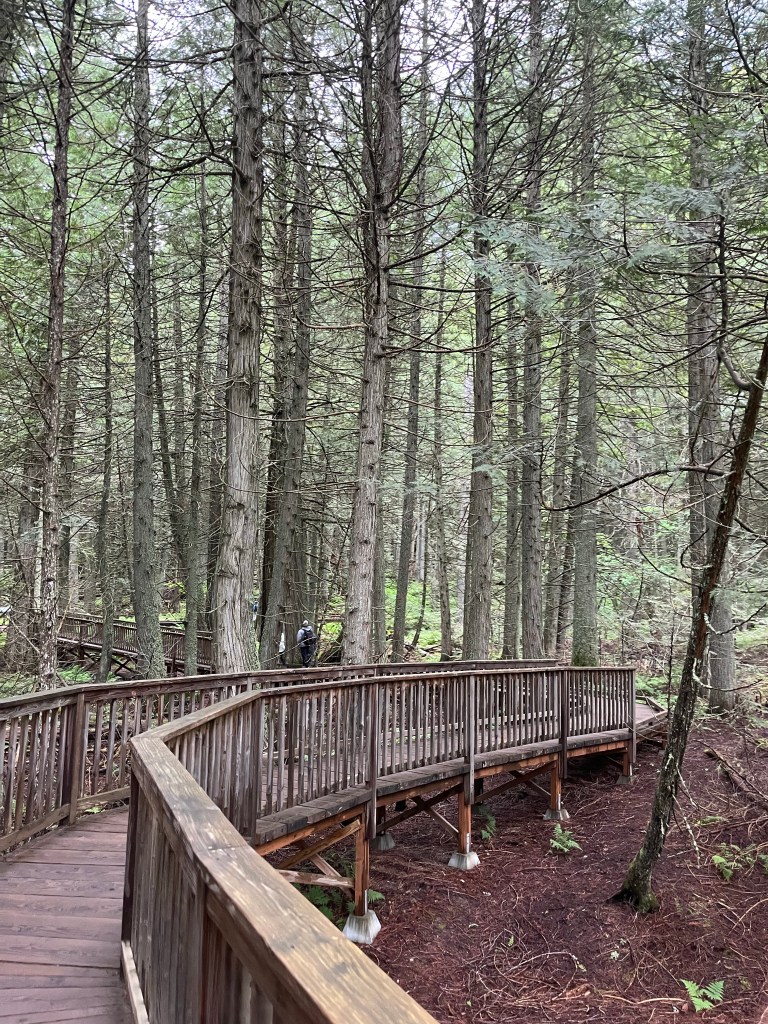
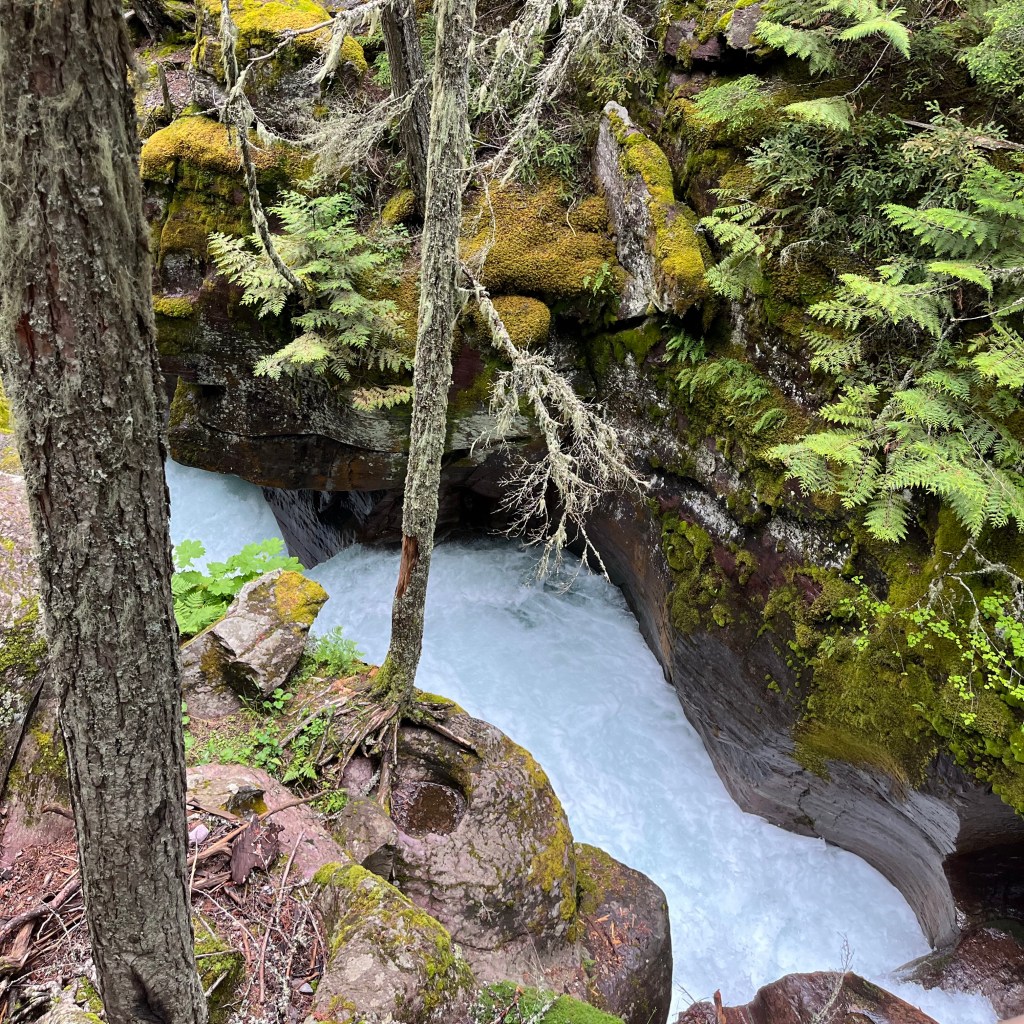


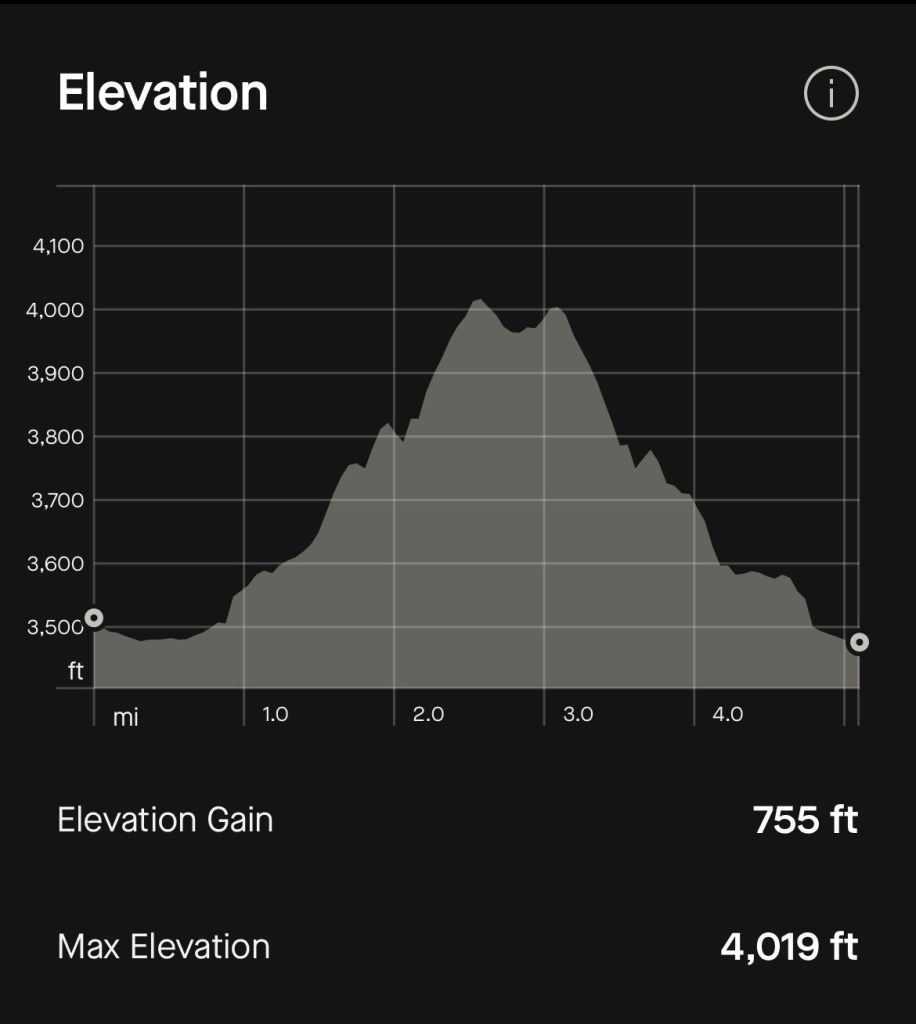





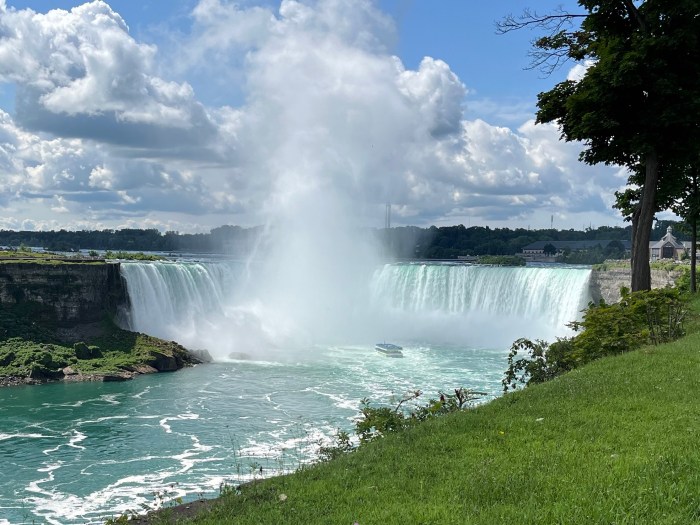


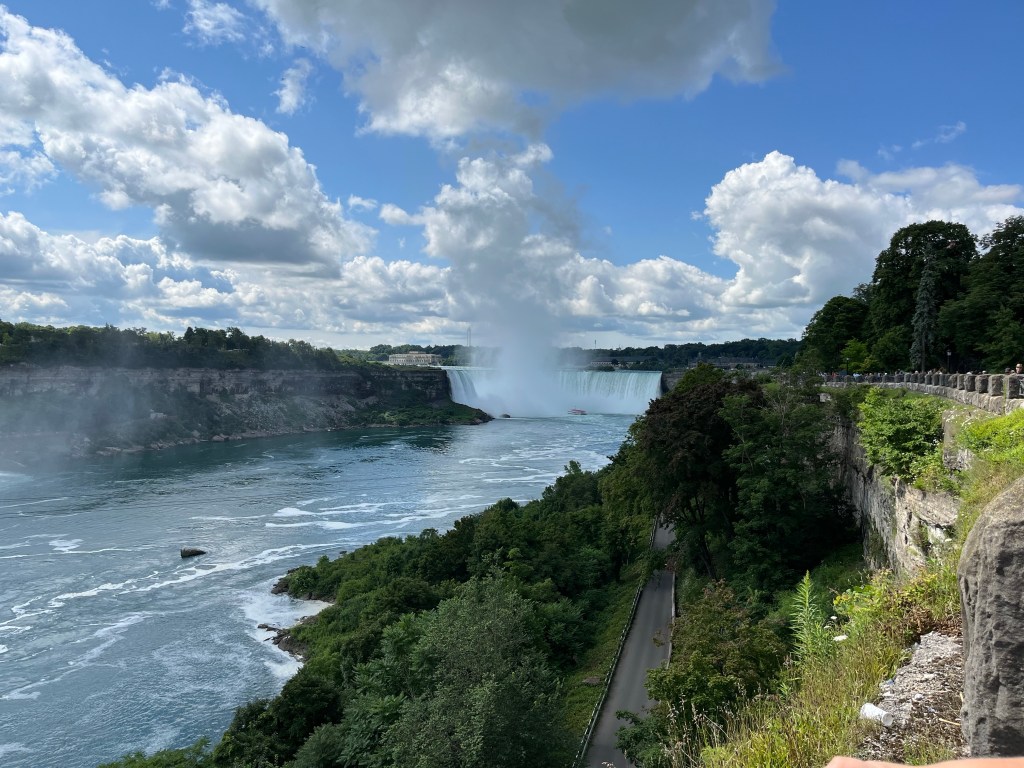
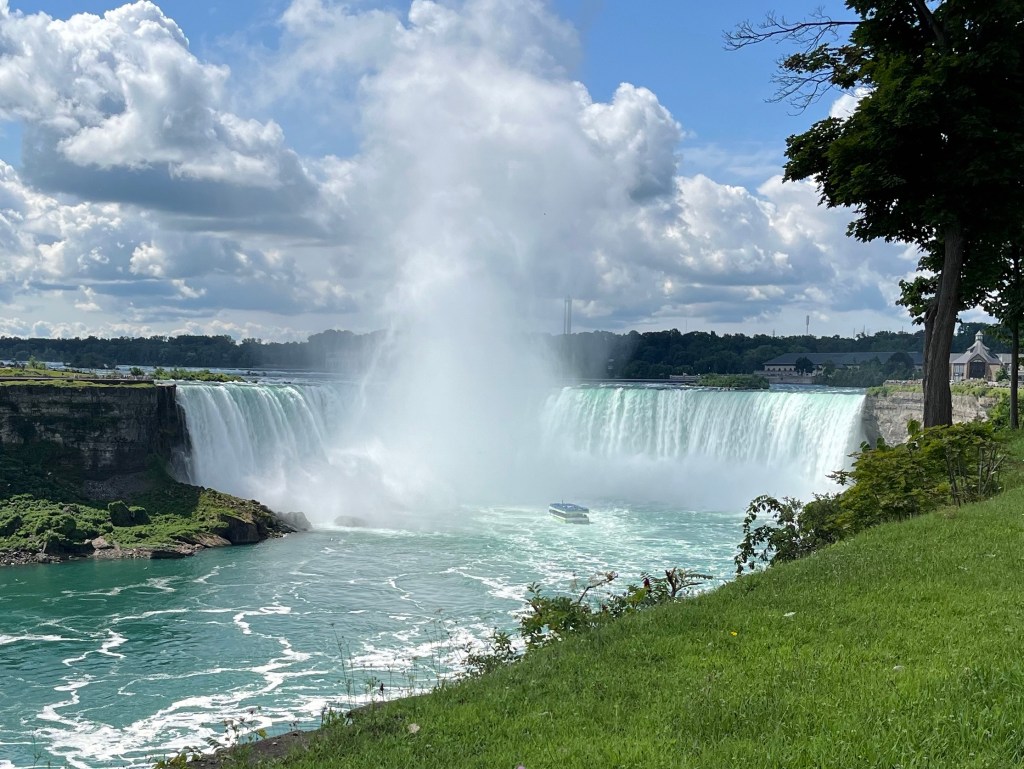





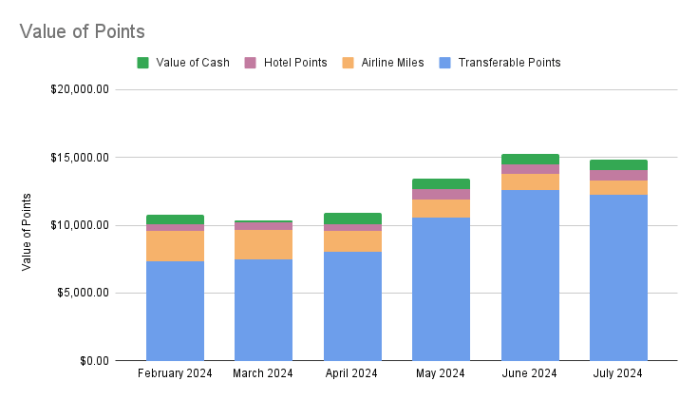

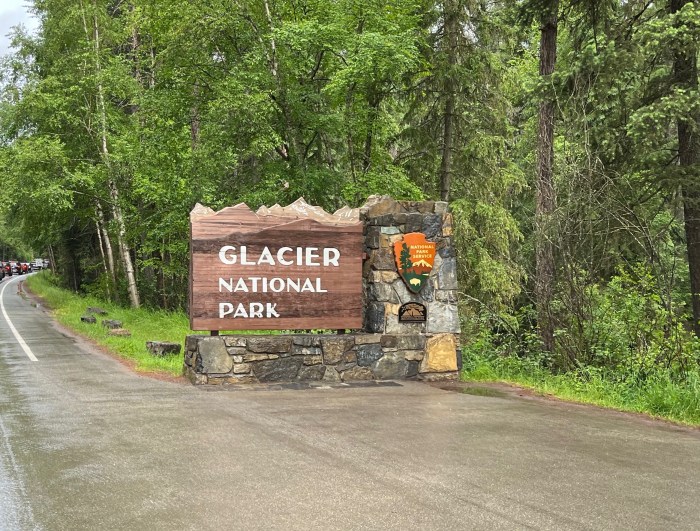
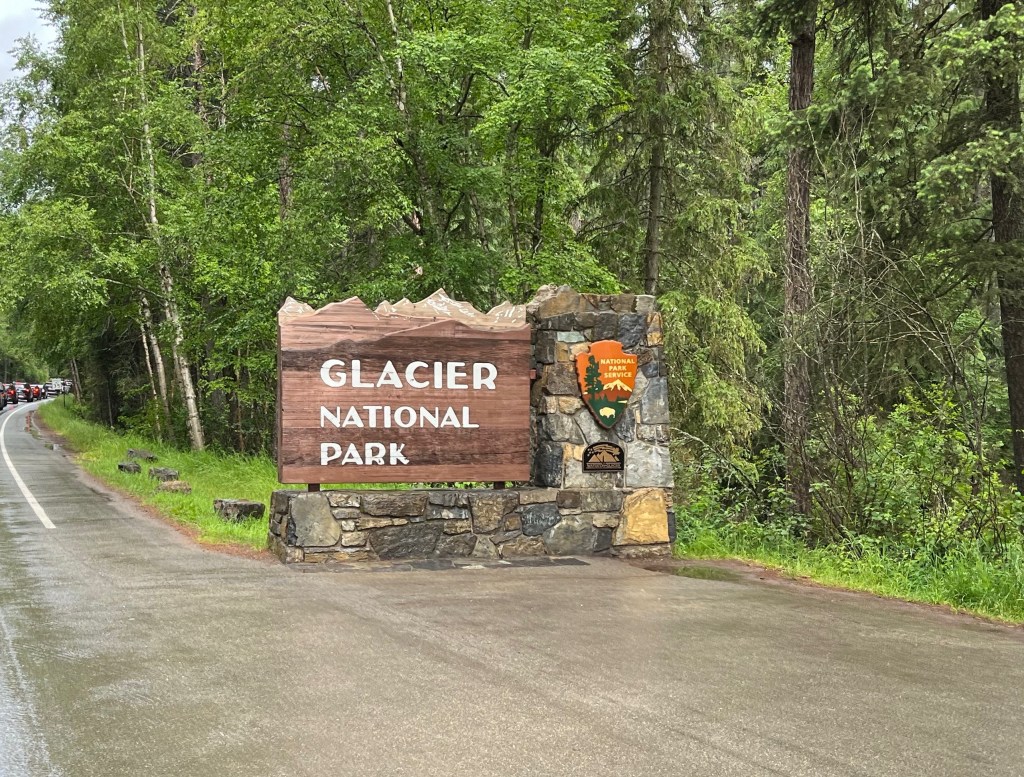


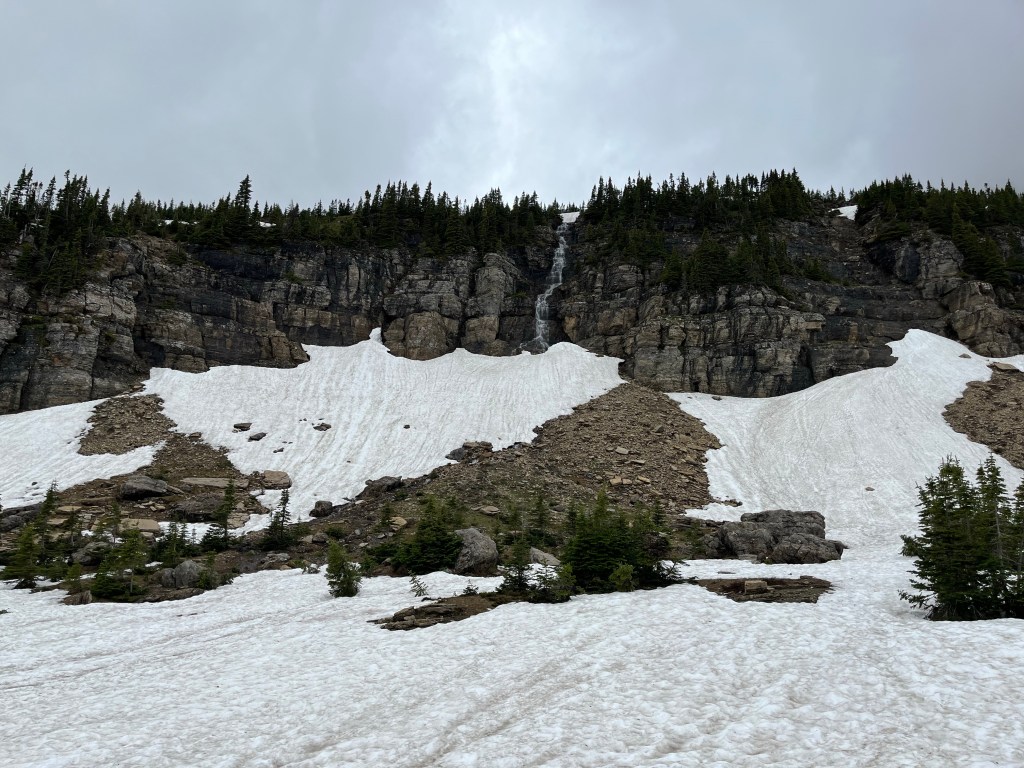



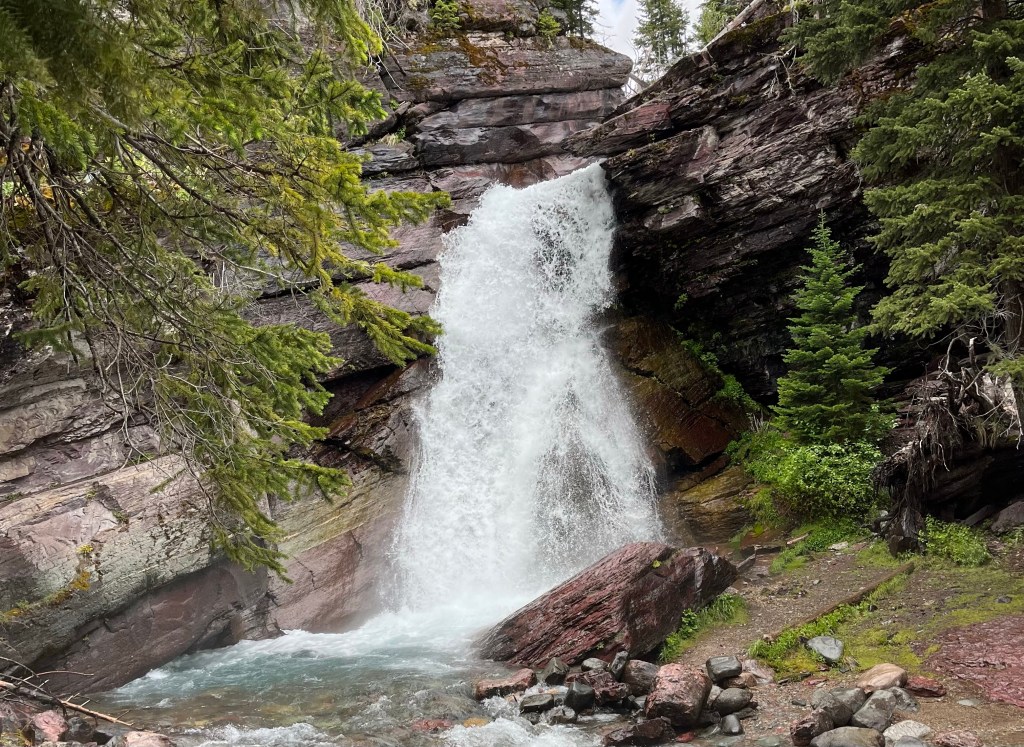


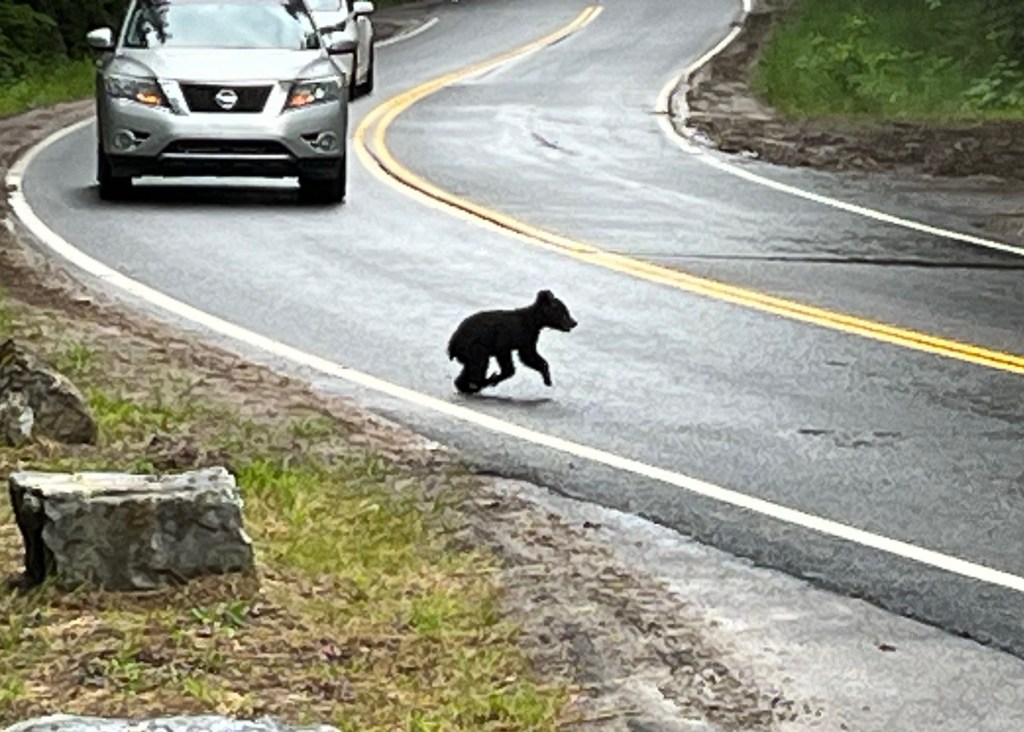

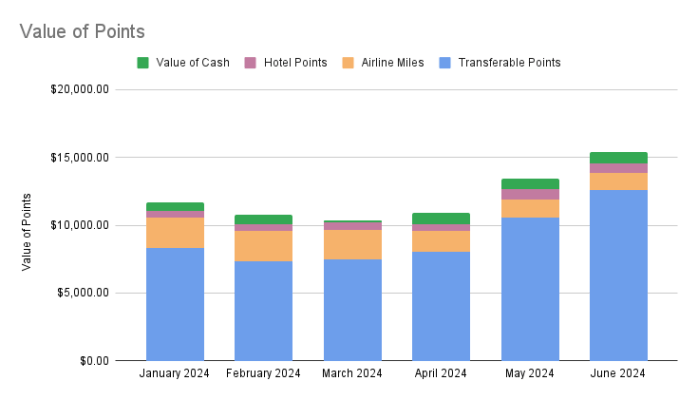















 Newby to Expert Traveler